

Nairobi Homebuyers Drive Standalone House Prices Higher as Apartments Slip

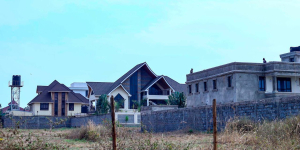
Detached houses in Nairobi's middle-income neighbourhoods recorded the strongest rise in residential property prices over the past year, increasing by 20.4 percent between the first quarter of 2025 and the same period in 2026, according to the Kenya National Bureau of Statistics (KNBS).
The latest KNBS Residential Property Price Index shows that demand for larger standalone homes continues to outpace supply, driving price growth across several parts of the country. The strongest increase was recorded in Nairobi's middle-income areas, including Parklands, Westlands, Hurlingham, Kileleshwa and Kilimani.
Detached houses also posted notable gains outside these neighbourhoods. Prices rose by 12.5 percent in coastal areas and by 7.1 percent in Nairobi's high-income suburbs of Runda and Karen. In Nairobi East and Mavoko, prices increased by 2.9 per cent over the same period.
The rise in standalone house prices has been supported by limited supply, strong demand from affluent local buyers and expatriates, and continued interest in gated communities that offer privacy and security. HassConsult Co-Chief Executive Officer Sakina Hassanali said the shortage of standalone homes reflects the high cost of developing them because they require large parcels of land.
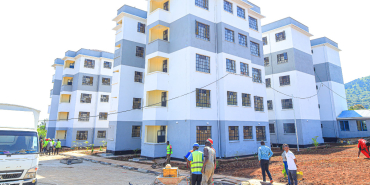
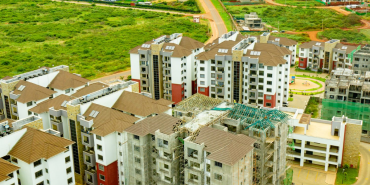
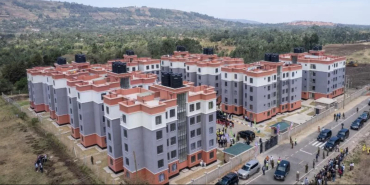
She said demand remains strong while supply is limited, contributing to higher prices. The apartment market followed a different trend. Prices for high-end apartments in Nairobi's upper-income areas fell by 4.8 percent over the year, while apartments in middle-income neighbourhoods declined by 3.3 percent. The index for prime apartments dropped from 94.1 to 90.1, while the index for middle-income apartments fell from 88.2 to 85.3.
Outside Nairobi's prime residential areas, apartment prices performed better. Prices increased by 4.2 percent in other parts of the city and by 7.5 percent in areas beyond the capital, indicating continued demand for more affordable housing options.
Infrastructure improvements have also influenced buying patterns. Better road connections between Nairobi and surrounding towns have made suburban areas more accessible, encouraging more buyers to purchase larger homes outside the city centre.
Developers have responded by expanding gated housing projects aimed at affluent buyers and Kenyans living abroad who are seeking long-term property investments.
The latest figures indicate that demand is shifting towards larger homes that offer more space and long-term ownership.

















Add new comment