
US Tightens Student Visa Rules, Ending Indefinite Stay for International Students
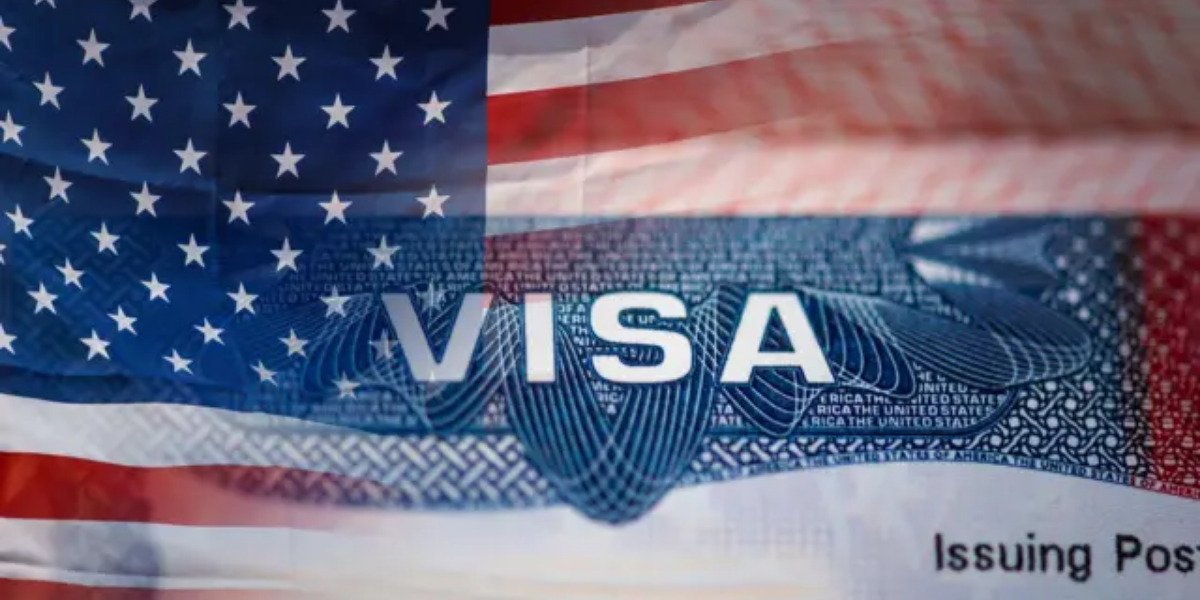
The United States will introduce fixed time limits for international students, exchange visitors, and foreign media visas under new immigration rules announced by the Department of Homeland Security (DHS).
The changes end the long-standing system that allowed many visa holders to remain in the country for the duration of their approved programme or assignment.
The regulation, announced on 16 July, replaces the "duration of status" framework that has applied for decades to F, J and I visa holders.
Under the new system, international students and exchange visitors will generally be allowed to stay for up to four years, while foreign journalists will face much shorter limits. Most media representatives will be granted stays of up to 240 days, while Chinese nationals will be limited to 90 days.
Anyone who needs to remain in the United States beyond the permitted period must apply for an extension through US Citizenship and Immigration Services. Applications will include biometric screening, background checks and fraud assessments before a decision is made.
DHS said the changes are intended to strengthen oversight of the visa system and reduce abuse. The department said some students had repeatedly enrolled in academic programmes to extend their stay in the country. DHS Secretary Markwayne Mullin said fixed time limits would improve the government's ability to screen, assess and monitor foreign nationals.
The department also noted that more than 1.8 million student visas were issued in 2024, together with around 500,000 exchange visitor visas and tens of thousands of visas for foreign media personnel. The new rules will take effect 60 days after they are published in the Federal Register.
Current visa holders will also move to the fixed-term system. Students already studying in the United States, including those from Kenya, will be allowed to remain for up to four years from the date the rules come into force.
They will also have a 30-day grace period after completing their studies to leave the country, transfer to another institution or change their immigration status. The regulation also introduces tighter controls on changing academic programmes.
Universities and education experts have raised concerns about the impact on longer courses, particularly PhD and extended master's programmes. Students on these courses may need to renew their visas before completing their studies, creating additional administrative requirements for both students and institutions.
Some analysts say the changes reflect wider efforts by several Western countries to tighten immigration policies as economic pressures grow and access to education and employment becomes more restricted. Geopolitical economist Aly-Khan Satchu said the measures represent a reduction in access to higher education at a time when economic growth is slowing and employment opportunities are becoming more limited.
The visa changes form part of President Donald Trump's broader immigration agenda since returning to office in January 2025. His administration has introduced stricter immigration enforcement, including increased scrutiny of legal immigration pathways and the revocation of some visas and green cards.

Comments
No comments yet — be the first.