
New US Rule Requires Some Family-Based Green Card Applicants to Post Public Charge Bond
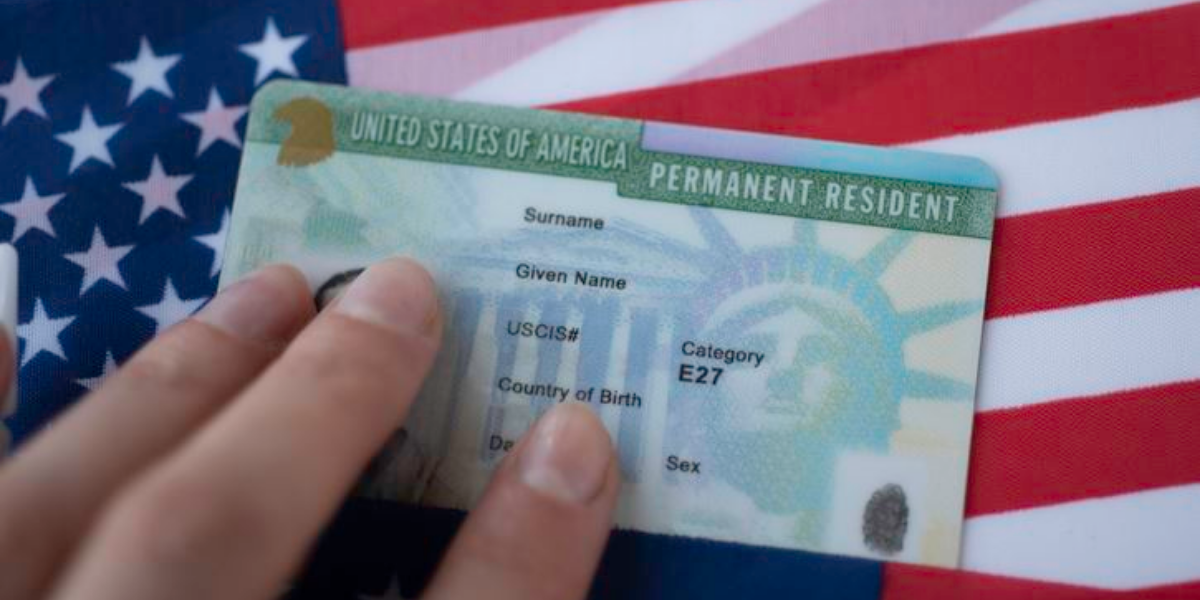
Foreign nationals applying for permanent residency in the United States may now be required to pay a Public Charge Bond if immigration authorities determine they are likely to become a public charge.
The measure gives some applicants a way to secure a green card after an initial refusal. The new requirement builds on existing public charge rules, which are intended to ensure that immigrants are financially self-sufficient rather than dependent on government support.
Applicants who are otherwise eligible but are refused on public charge grounds may be offered the option of posting a Public Charge Bond. The bond amount is set by consular officers after they assess the applicant's individual circumstances.
The US Department of State has introduced a pilot programme that allows consular officers to request these bonds. Once the bond is paid to US Citizenship and Immigration Services (USCIS), a visa that was previously refused may be issued.
The bond is not permanent. It may be cancelled if the immigrant becomes a US citizen or after five years as a lawful permanent resident. In these cases, the bond may be refunded.
USCIS defines a public charge as a person who is likely to depend mainly on government cash assistance or require long-term institutional care funded by the government. The rule mainly applies to family-based visa applicants and people applying to adjust their immigration status within the United States. It does not apply to current green card holders seeking to renew their status or apply for citizenship.
Only certain forms of public assistance are considered under the policy. These include cash benefits such as Supplemental Security Income (SSI) and Temporary Assistance for Needy Families (TANF), as well as government-funded long-term institutional care. Benefits received by family members are not counted unless they are the household's only source of income. As a result, the policy is expected to affect a limited number of applicants.
Immigration officers assess each case by considering the applicant's overall circumstances. They review factors including age, health, education, employment history, family situation and the affidavit of support provided by a sponsor. Receiving limited public benefits does not automatically prevent someone from obtaining permanent residency, but it may be taken into account when assessing whether the applicant is likely to be financially independent.
The Public Charge Bond adds another financial requirement to the US green card process for some applicants. While it provides a route for people who might otherwise be refused on public charge grounds, it also introduces an additional step for families applying for permanent residency under the current immigration rules.






Comments
No comments yet — be the first.