
Robotic Surgeons: The Future of Remote Medical Procedures
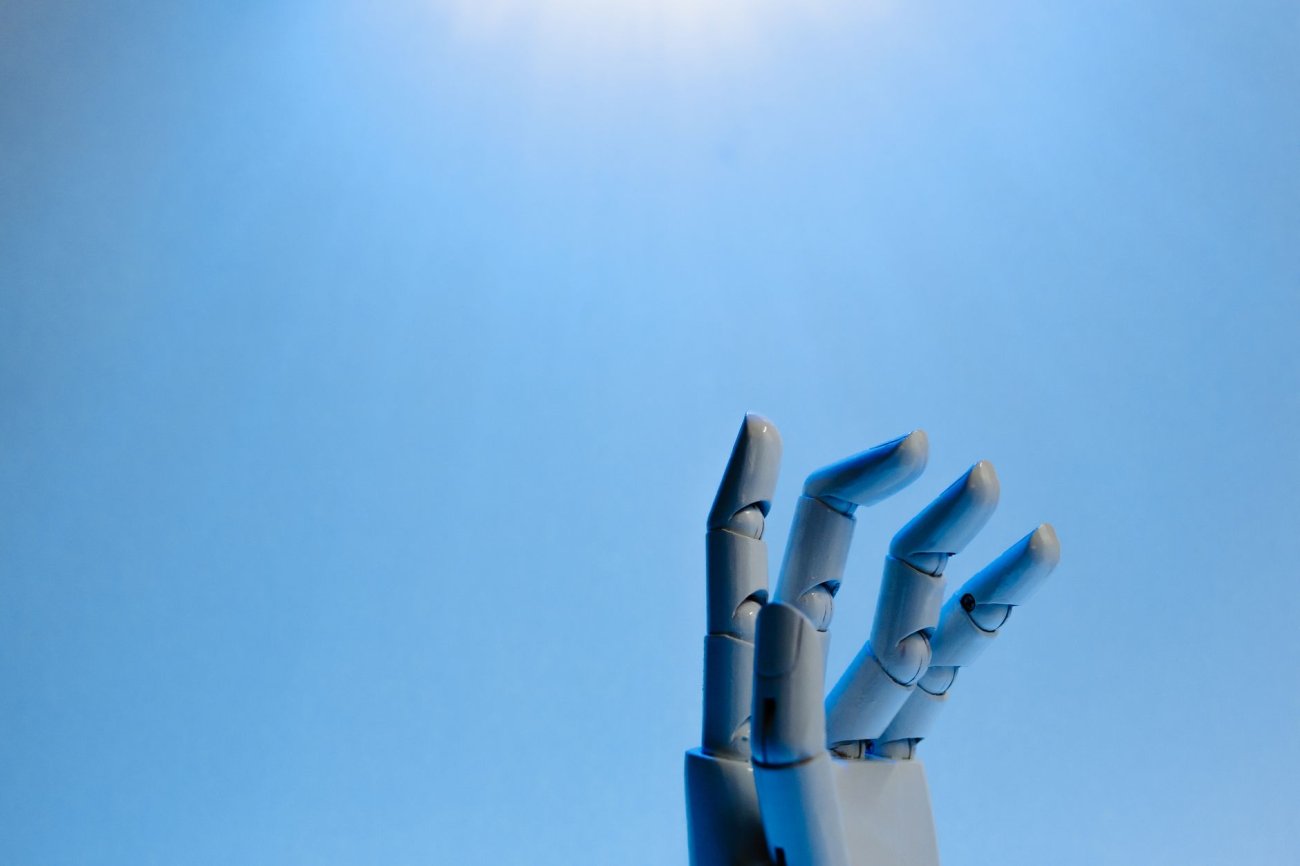
In a groundbreaking advancement for medical technology, surgeons in a remote location successfully operated two human-like robots in an operating theatre, marking a significant leap in telemedicine. This innovation, reported by BBC Tech, illustrates the potential for bridging geographical divides in healthcare, particularly in areas with limited access to specialized medical procedures.
The complex operation involved surgeons controlling the robotic arms via a sophisticated interface, enabling them to perform intricate surgical tasks with remarkable precision. "This is a paradigm shift in how we think about surgery," said Dr. Marie Roberts, a leading robotic surgery expert. "The ability to conduct operations remotely not only expands access but also enhances the precision with which surgeries can be performed."
This development could revolutionize medical care in regions where access to surgical specialists is limited. In many developing nations, including parts of Africa, skilled surgeons are often concentrated in urban centers, leaving rural areas underserved. The integration of robotic surgery could mitigate these disparities by allowing expert surgeons to perform operations from thousands of miles away without compromising the quality of care.
Globally, this innovation is seen as a response to an increasing demand for healthcare services, driven by aging populations and rising chronic disease rates. According to data from the World Health Organization, the global shortage of healthcare workers is projected to reach 18 million by 2030. Robotic surgery could alleviate some of these pressures by optimizing the workload of existing medical professionals and providing critical care in underserved regions.
While the benefits are clear, challenges remain. The high cost of robotic systems and the need for reliable high-speed internet connectivity pose significant hurdles, particularly in low-income regions. "Investment in infrastructure and training is essential to maximize the potential of robotic surgery," emphasized Dr. Linda Thompson, director of Global Health at the International Medical Robotics Association. "Developing countries must leverage international partnerships to overcome financial and technological barriers."
The successful deployment of robotic surgeons also raises important considerations about the future of the medical profession. As robots take on more surgical roles, there is a growing need to address ethical questions surrounding accountability and human oversight. "Ensuring that these technologies are used responsibly and ethically will be crucial," stated Dr. Thompson. "Robots should enhance, not replace, human expertise in medical settings."
As robotic surgery continues to evolve, stakeholders in healthcare and technology sectors will be closely watching its integration into medical practices worldwide. The ongoing developments not only promise to transform surgical care but also highlight the need for robust regulatory frameworks to guide their implementation. For nations striving to improve healthcare access, these innovations represent both a challenge and an opportunity to rethink the delivery of medical services in the 21st century.






Comments
No comments yet — be the first.