

Karen Land Prices Surge 10% as New Zoning Rules Boost Investor Demand
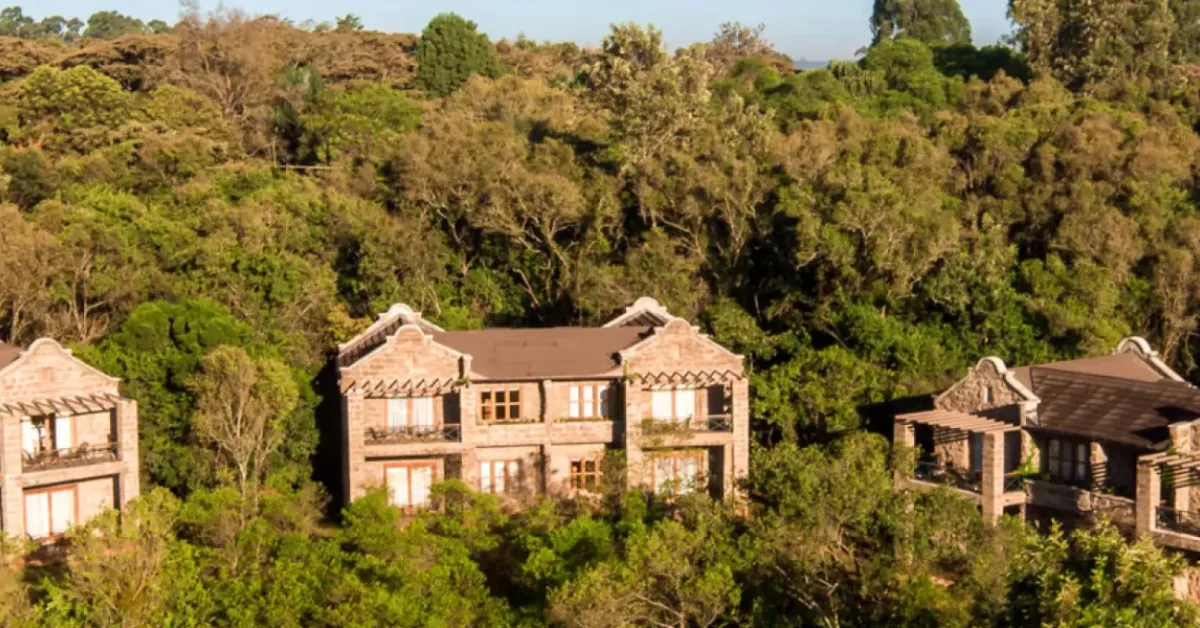
Land prices in Karen and Langata recorded the strongest growth among Nairobi’s prime suburbs over the past year after new zoning rules allowed higher-density developments in parts of both areas.
The gains followed the introduction of the Nairobi City County Development Control Policy 2026, which revised zoning regulations for the first time in more than a decade. The new policy has improved investor confidence and increased demand for land in suburbs that were previously subject to stricter development limits.
Data from HassConsult shows that the price of an acre in Karen rose by 10 percent to Sh79.5 million in the year to June. Langata recorded a similar increase of 9.8 percent, with an acre reaching Sh94.7 million. The new planning rules allow four-storey buildings along major corridors including Ngong Road, Langata Road and Magadi Road.
They also increase the permitted ground coverage from 25 percent to 50 percent, creating new opportunities for developers targeting middle-income buyers. HassConsult Co-Chief Executive and Creative Director Sakina Hassanali said Karen and Langata recorded their strongest quarterly land price growth in a decade as demand shifted towards suburbs with relatively lower land acquisition costs.
She said greater certainty over planning approvals had encouraged developers who had previously delayed investment decisions. The revised policy does not apply to all parts of Karen. Areas including Hardy and Miotoni remain limited to two-storey single-family homes. However, plots located closer to major roads can now support higher-density developments.
Real estate consultant Johnson Ndenge said planning policy has a direct effect on land values because the ability to build more intensively increases the potential use of land and supports higher prices. Across Nairobi, suburban land prices increased by an average of 4.2 percent over the year. Runda, Nyari and Riverside also recorded strong growth, with prices rising by 8.9 percent, 8.8 percent and 7.7 percent respectively.
Muthangari and Muthaiga were the only prime suburbs to register declines, with prices falling by 4.9 percent and 1.9 percent. Growth was slower in satellite towns, where average land prices rose by 2.95 percent. Seven of the 14 towns tracked recorded price declines, with Ngong and Limuru posting the largest falls. Analysts said higher living costs have reduced the spending power of middle-income households, which make up a significant share of demand in these markets.
Some satellite towns continued to record gains. Ruiru posted a 4.1 percent increase to Sh42.2 million per acre, supported by its location near large mixed-use developments including Tatu City and Northlands. Thika recorded a 3.8 percent increase as it moves towards city status, while Ruaka registered growth of 2.8 percent.










Add new comment