


Nairobi Leads as Prime Office Demand Strengthens Across Africa
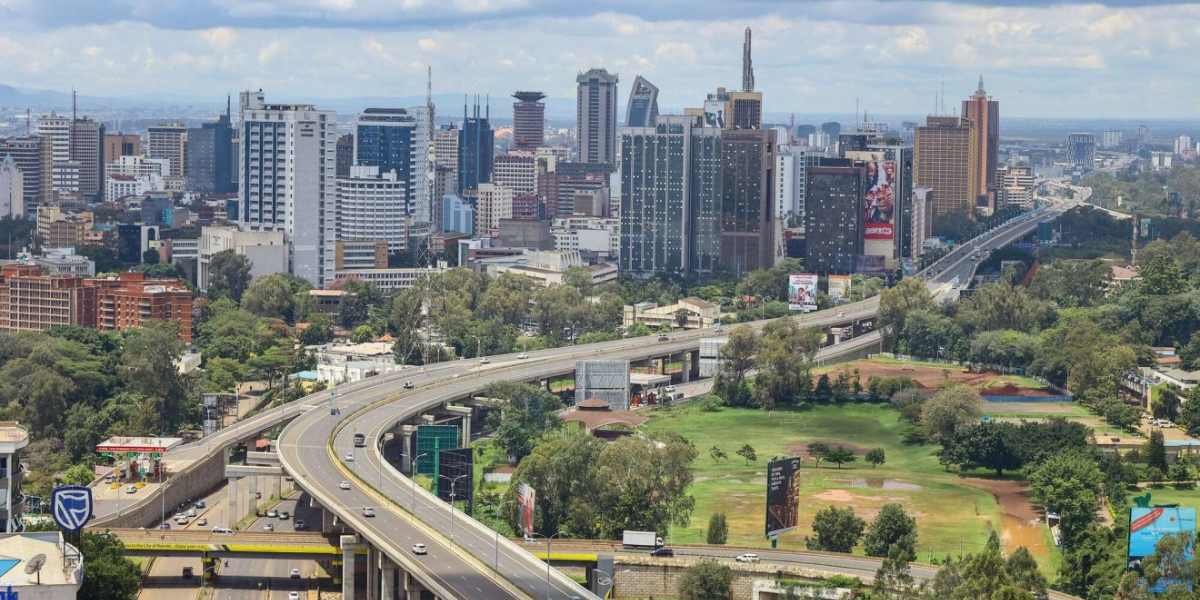
Modern Grade A offices are outperforming older buildings across several African cities, with stronger occupancy and more stable rents as businesses increasingly prioritise quality and efficiency.
In Nairobi, average occupancy in Grade A offices rose from 81.5 per cent at the end of 2025 to 84.8 per cent by mid-2026, according to Knight Frank’s Africa Offices Market Dashboard. Prime rents remained stable at about Sh1,684 ($13) per square metre per month, supported by limited new supply and continued absorption of premium office space.
Kampala recorded a similar trend, with Grade A occupancy reaching 87 per cent, compared with 83 per cent for Grade B offices. Prime rents stood at about Sh2,202 ($17) per square metre per month, while older buildings increasingly offered concessions and fit-out contributions to attract tenants.
In Dar es Salaam, Grade A offices recorded occupancy of about 80 per cent, with
rents averaging Sh1,943 ($15) per square metre per month. Average yields stood at 9 per cent.
Lusaka recorded a particularly wide gap between modern and older office stock. Grade A buildings in areas including Kabulonga, Rhodes Park, Mass Media and Longacres command rents of between Sh2,073 and Sh2,332 ($16–18) per square metre per month, with occupancy ranging from 70 to 80 per cent. Older buildings in the central business district continue to record weaker demand.
Boniface Abudho, Knight Frank’s Africa Research Analyst, described the change as a “structural repricing” of what office occupiers value, with reliability and efficiency becoming increasingly important in leasing decisions. Flexibility is also becoming a more important factor in the office market.
In Egypt, limited supply in New Cairo and Sheikh Zayed has strengthened landlords’ positions, while multinational companies continue to drive demand. IWG Spaces leased 16,000 square metres at The Ark Business Park, highlighting the growing scale of flexible workspace operators in the institutional office market.
Nairobi has recorded similar growth in flexible workspace, with IWG opening three new centres in Ngong Road, Parklands and the CBD. Serviced offices are also gaining ground in Tanzania and Uganda as businesses seek shorter leases and lower upfront costs. In Lusaka, demand is concentrated on smaller suites of between 50 and 350 square metres, while larger office floors remain more difficult to fill.
In Lilongwe, Malawi, corporates and non-governmental organisations are reducing their office footprints, with vacancy rates ranging between 15 and 25 per cent.
The report identifies several practical factors that are influencing leasing decisions beyond rent and occupancy. These include backup power, parking, modern building specifications, professional management and tenant amenities. Parking shortages in Cairo, power reliability in Kampala and management standards in Lusaka are among the factors affecting demand.
The market is also seeing a shift away from congested central business districts towards suburban and mixed-use locations. In Zimbabwe, companies are favouring lower-density areas that offer better accessibility and security. In Durban, South Africa, demand remains concentrated in Umhlanga and La Lucia, where modern, integrated developments continue to attract tenants.



Comments
No comments yet — be the first.