
US Adds 49 Kenyans to ‘Worst of the Worst’ Immigration Database
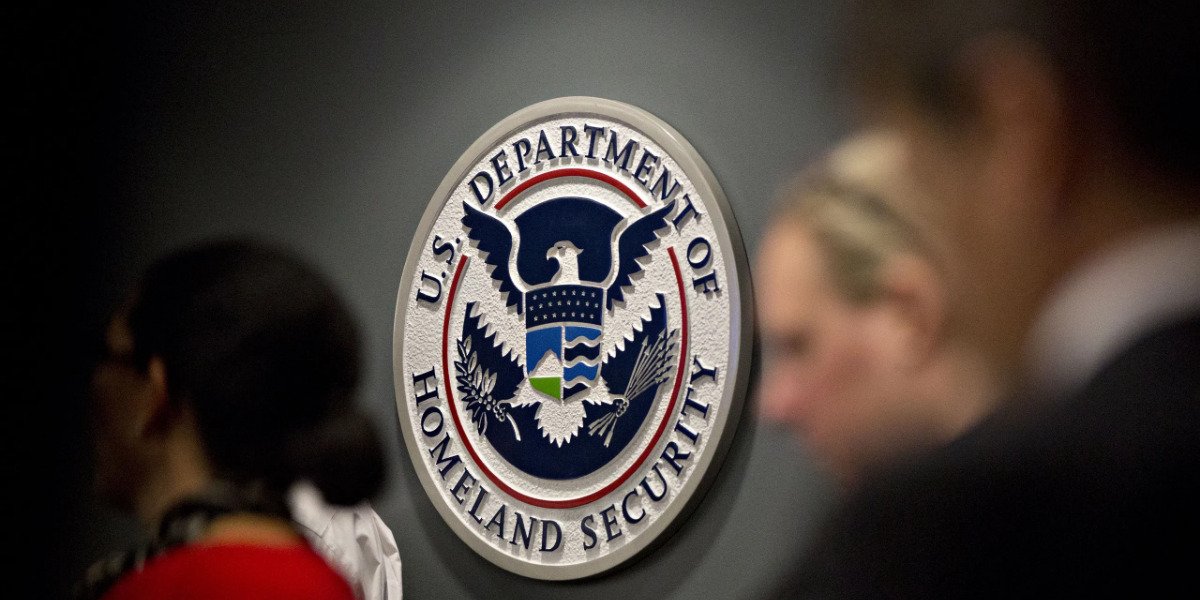
The US Department of Homeland Security has expanded its controversial “Worst of the Worst” database to include 49 Kenyan nationals, the highest number from an African country on the latest list.
The database publicly identifies non-citizens with criminal convictions, publishing their names and photographs as part of a wider immigration enforcement campaign targeting people considered public safety threats. Earlier versions of the programme listed between 15 and 45 Kenyans. The latest update comes as the administration of President Donald Trump intensifies immigration enforcement during his second term, which began in January 2025.
The database also lists 112 Nigerian nationals and 44 Ghanaians, along with smaller numbers of Mauritanians, Moroccans and South Africans. The publication of the lists has raised concerns among diaspora communities about legal vulnerability and public stigma.
Separately, US Immigration and Customs Enforcement (ICE) says 1,282 Kenyan nationals are currently on its non-detained docket with final removal orders. They are among more than 1.4 million non-citizens from 187 countries who remain under immigration monitoring.
ICE has increased arrests at airports, including of people with expired visas, pending asylum applications and active work permits. The agency says that neither a work permit nor an asylum application provides lawful immigration status or protects an individual from deportation.
The expansion of the database forms part of a broader enforcement strategy that combines the public identification of people with criminal convictions with immigration arrests and removals. For Kenyan nationals, those with criminal convictions are among those prioritised for enforcement, while people with unresolved immigration cases may also face arrest despite ongoing legal proceedings.
The measures also have implications for Kenya, which may be required to receive nationals deported from the US once removal orders are carried out. The public identification of Kenyan nationals could also affect perceptions of the wider Kenyan diaspora in the United States.


Comments
No comments yet — be the first.