

Questions swirl over opaque Sh26 billion maize import tender
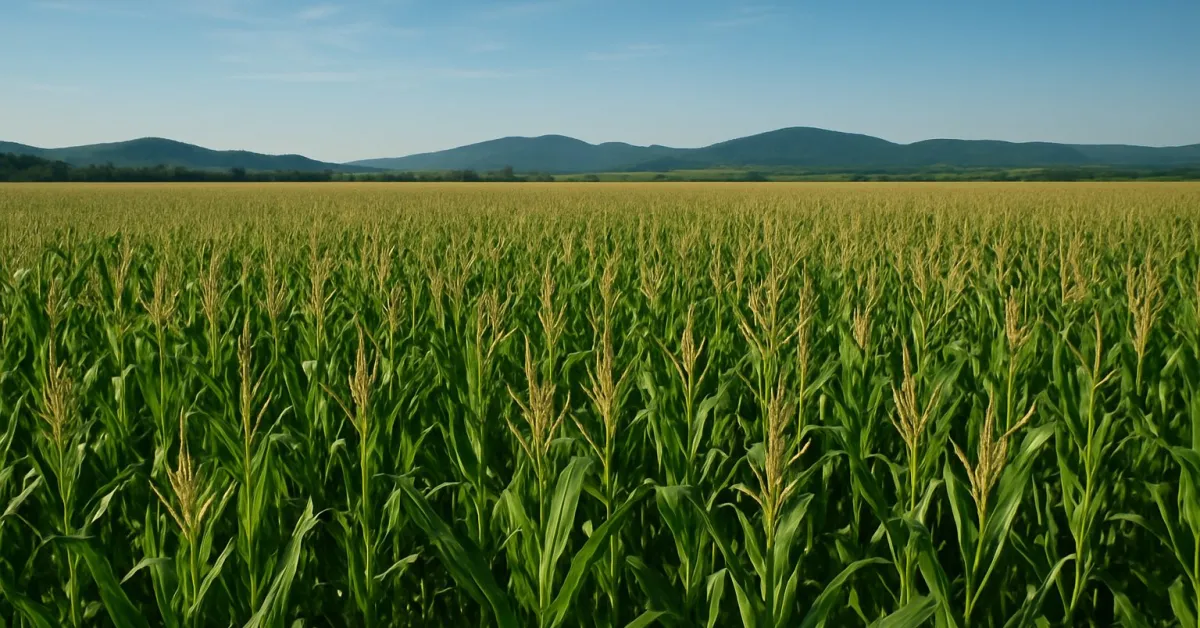
A controversial Sh26 billion maize import tender in Kenya has stirred significant debate amid the country's ongoing food security challenges. The tender involves importing 540,000 metric tonnes of maize from Zambia, and the deal has brought a relatively unknown private firm into the spotlight. The lack of transparency and details surrounding the tender process has raised eyebrows among stakeholders, prompting calls for clarity and accountability.
The decision to import such a substantial quantity of maize comes at a time when Kenya is grappling with food shortages and rising costs of staple commodities. The magnitude of the deal and the scale of importation underscore the severity of the food crisis facing the nation. Critics argue that the opaque nature of the tender raises questions about the efficiency and fairness of the procurement process, which could have significant implications for food prices and availability in the domestic market.
As food security remains a pressing concern in many developing nations, the Kenyan government's approach to addressing these challenges through large-scale imports has attracted both domestic and international attention. The importation plan is seen as a short-term solution to the immediate crisis, but it also raises concerns about the sustainability of relying on external sources for essential food supplies. The reliance on imports may undermine local agricultural production and the growth of the agricultural sector, which is vital for the country's long-term food security goals.
This situation also highlights the broader issue of governance and transparency in procurement processes in developing nations. Ensuring that such significant contracts are awarded through transparent and competitive means is crucial to maintain public trust and ensure that resources are utilized effectively for the benefit of the population. Observers are closely watching how the Kenyan government will address these concerns and whether it will take steps to improve transparency and accountability in future tenders.
The maize import tender and its implications for food security in Kenya are likely to remain a focal point of policy discussions. Stakeholders, including government officials, private sector players, and international partners, will need to work collaboratively to find sustainable solutions to the pressing challenges of food security. The need for strategic investments in local agriculture and the development of resilient supply chains is more critical than ever to ensure a stable and secure food supply for Kenya and similar developing countries.

















Add new comment