


'It Can Kill Us': Kenyans Brace as Forecasters Warn of One of the Strongest El Niños on Record

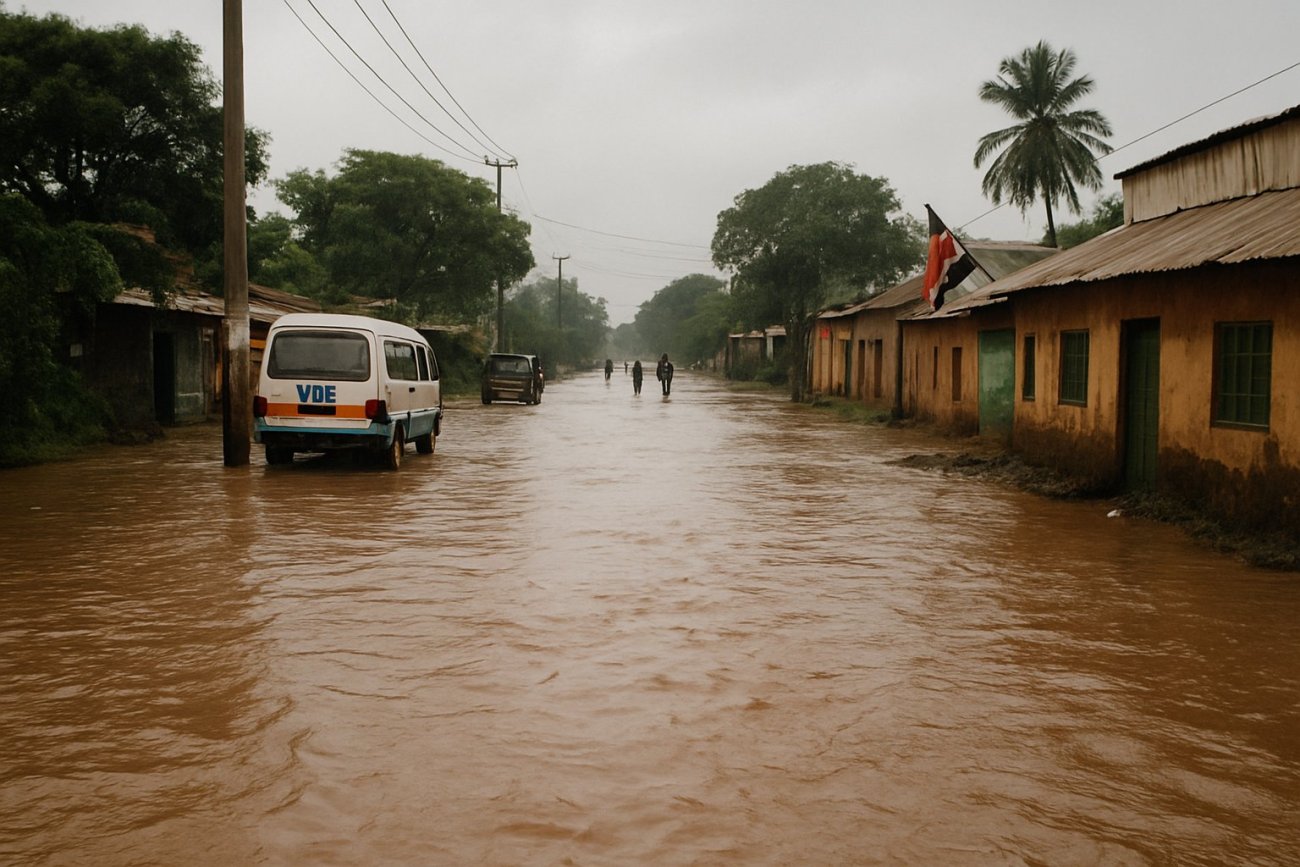
Forecasters have warned that the El Niño climate phenomenon now developing could become one of the strongest on record, with heavy rain and flooding predicted for Kenya. The warning has stirred deep anxiety across the East African nation, where past flood seasons have destroyed homes, roads and livelihoods. The alarm was captured bluntly in words quoted in a BBC report on the forecast: "It can kill us."
Kenya sits squarely within the belt of East African territory that strong El Niño events tend to drench. The current forecast points to downpours heavy enough to trigger flooding across large parts of the country as the rainy season approaches, with forecasters drawing comparisons between the developing event and the most powerful episodes in the historical record.
El Niño is a recurring, naturally driven climate pattern that begins with a warming of sea surface temperatures in the central and eastern tropical Pacific Ocean. The temperature rise, part of the wider El Niño-Southern Oscillation cycle, disrupts wind and rainfall patterns over vast stretches of the planet, intensifying storms in some regions while drying out others. Events return at irregular intervals of a few years and vary widely in strength, and the strongest episodes have historically reshaped weather conditions worldwide.
Kenya experiences two main rainy seasons each year: the long rains from around March to May and the short rains from around October to December. It is the short rains that El Niño most strongly influences. During powerful events, moisture-laden winds over the Indian Ocean have repeatedly delivered far more rain to Kenya than usual during those months, turning seasonal showers into sustained, flood-producing downpours.
The pattern has proved deadly before. The El Niño of the late 1990s, one of the most intense of the twentieth century, brought months of relentless rain to Kenya, washing away roads and bridges, cutting off entire districts, destroying crops and killing dozens of people. The damage to infrastructure from that episode took years to repair, and it remains a reference point for what a record-strength event can do to the country.
Flooding in Kenya tends to strike hardest in low-lying areas, along river basins and in densely populated urban settlements where drainage is limited. Previous flood emergencies in the country have brought drownings, the collapse of buildings, landslides in highland zones and outbreaks of waterborne diseases such as cholera, which spreads through contaminated water once floodwaters begin to recede. Those dangers have accompanied past El Niño seasons and frame the fears now being expressed ahead of the predicted rains.
Scientists rank El Niño events by tracking how far Pacific sea surface temperatures climb above long-term averages, and they measure developing events against the strongest episodes in the historical record. When forecasters describe a developing El Niño as potentially among the most powerful ever measured, they are indicating ocean warming on a scale comparable to the landmark events of recent decades — the kind that have previously coincided with extreme rainfall in East Africa.
Seasonal outlooks are typically refined as an El Niño develops and Pacific conditions become clearer. Warnings issued before the onset of the rains give authorities, relief agencies and residents lead time to prepare, allowing precautions such as relocating people and property from flood-prone zones, clearing drainage channels and pre-positioning emergency supplies before the heaviest downpours arrive.
While El Niño usually means heavier rain for East Africa, its footprint runs in the opposite direction elsewhere. Southern Africa, Australia, Southeast Asia and parts of South America have historically faced drier conditions and drought during strong events, while the west coast of the Americas has contended with intensified storms. The same ocean warming that threatens to soak Kenya has repeatedly upended harvests, water supplies and disaster planning on other continents.
Forecasters will continue to track Pacific Ocean temperatures in the weeks ahead, with the rainfall outlook for Kenya expected to be sharpened as the short rains season draws closer. The prediction of an El Niño ranked among the strongest on record has placed the country's weather agencies and residents on alert for the months to come.






Comments
No comments yet — be the first.