


Great Rift Valley Viewpoint to Get Cable Cars in Multi-Billion Tourism Upgrade

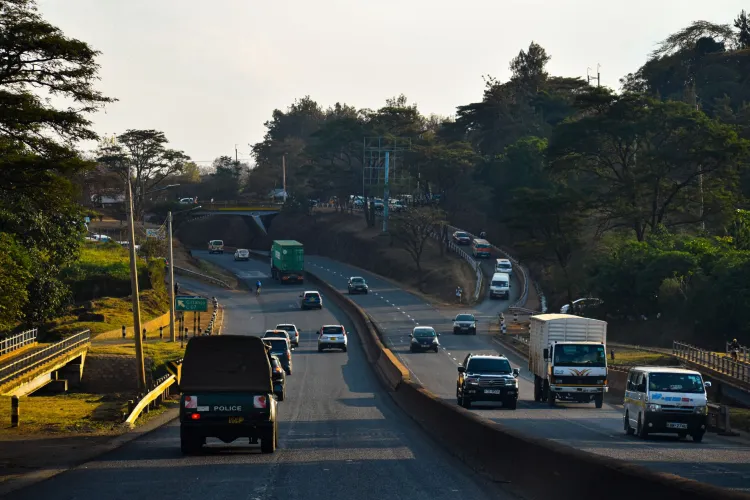
Drivers on the Nairobi-Nakuru highway could pay up to Ksh1,447 in toll fees once the Rironi-Mau Summit Expressway opens, prompting the government to outline alternative free routes alongside a planned multi-billion tourism upgrade at the iconic Great Rift Valley Viewpoint.
Transport Cabinet Secretary Davis Chirchir announced that motorists seeking to avoid the toll charges can use alternative roads, including the newly completed Mau Mau A1 road between Kijabe and Mai Mahiu, the Ngong-Suswa road, and the route connecting Gilgil through Kanyariri towards Nakuru.
Under the proposed tolling structure, drivers will pay Ksh8 per kilometre on the Rironi-Gilgil section and Ksh8.50 per kilometre between Gilgil and Mau Summit. Chirchir noted that the state has also designed a system to allow local residents living along the corridor to access nearby towns without paying toll fees.
The Public Private Partnership Petition Committee recently dismissed a petition by the Consumers Federation of Kenya (COFEK) that challenged the Ksh8-per-kilometre toll rate, ruling that the lobby group filed its complaint after the seven-day statutory deadline.
Despite the alternative routes, Chirchir expects most motorists to choose the tolled expressway due to the time and fuel savings it will offer over longer, non-tolled bypasses.
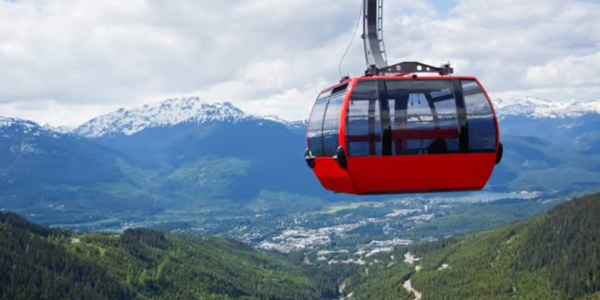
The tolling plans coincide with a major state-led makeover of the Great Rift Valley Viewpoint along the Rironi-Mai Mahiu-Naivasha A8 South corridor. The government plans to introduce suspended cable cars to connect the main A8 highway to the A8 South section, offering aerial views of the escarpment and Mount Longonot.
The transformation project will also feature redesigned curio shops and investor-led hotel developments. Chirchir noted that the current viewpoint lacks proper safety designs, adding that the overhaul will make the site safer and turn it into a revenue-generating destination.
However, the ongoing road expansion has already caused friction on the ground. Contractors have demolished several long-standing curio shops at the viewpoint, threatening the livelihoods of nearly 300 traders and small vendors who sell traditional carvings, Maasai shukas, and ornaments to visitors.
Traders have urged the government to allocate them alternative spaces or allow them to return once construction ends. While Chirchir acknowledged the need to reorganise commercial activities at the site, he did not provide details on how the affected traders will be accommodated, nor did he give procurement timelines, costs, or financing terms for the cable car project.
The Ksh200 billion Rironi-Mau Summit highway covers 175 kilometres along the main A8 road and 59 kilometres along the A8 South section. President William Ruto launched the public-private partnership project in November 2025, with full corridor completion targeted for June 2027.
Chirchir said that contractors are currently following a new strategy to build one kilometre of road daily, aiming to complete the road base and open the 60-kilometre Rironi-Naivasha section to traffic before the end of 2026.


Comments
No comments yet — be the first.