
Used Underwear, Nightwear and Towels: What KEBS Prohibits in Mitumba Imports
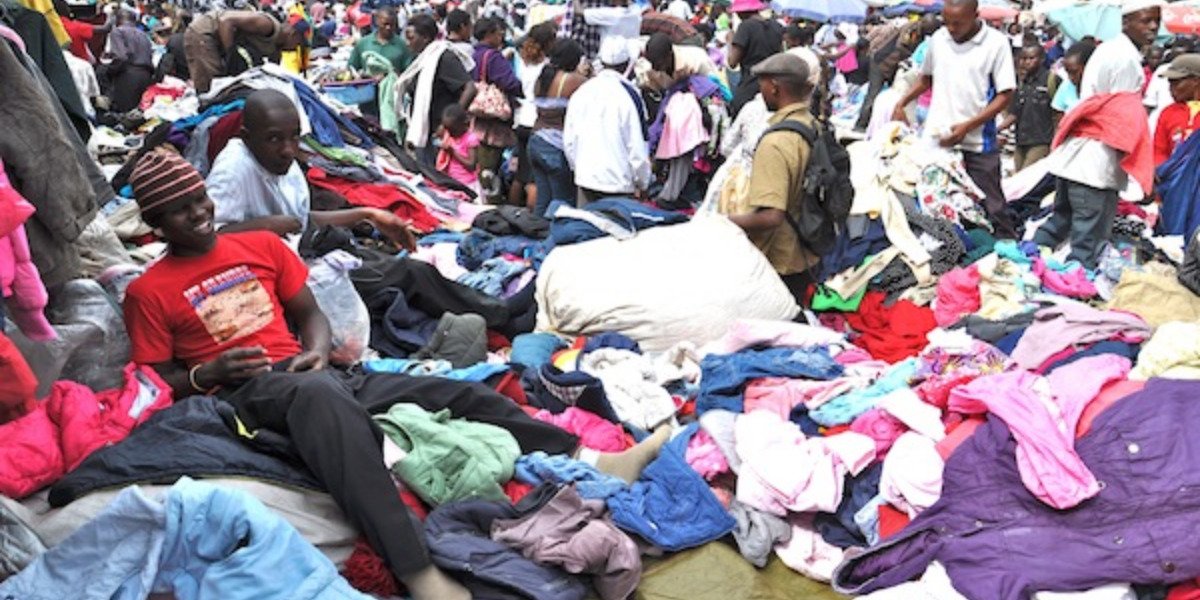
Mitumba importers bringing second-hand clothing into Kenya must ensure their consignments exclude a range of prohibited textiles, including used underwear, socks, swimwear, nightwear and bath towels, under requirements enforced by the Kenya Bureau of Standards (KEBS).
The reminder follows the interception of a consignment containing used undergarments during an inspection on Wednesday, October 21. In a statement issued the following day, KEBS warned traders against importing restricted items and said it would continue enforcing the applicable standards.
The prohibited items include used briefs, brassieres, camisoles, socks, stockings and swimwear. Other restricted textiles include pyjamas, nightdresses, nightgowns, hospital wear and used bath towels.
The restrictions mean that importers cannot assume a bale is compliant simply because it contains predominantly acceptable second-hand clothing. Prohibited articles must also be excluded from the consignment.
Registration and documentation requirements
KEBS provides a registration process for businesses importing used textiles and footwear. Its official application portal requires importers to provide business identification and contact details, including a company registration number, address, telephone number, email address and Kenya Revenue Authority personal identification number.
Applicants must also provide contact-person information and details of their warehouse location, including the street or road and city. The application distinguishes between second-hand textile and footwear imports.
The registration process forms part of the broader administrative framework governing the importation of mitumba. Importers must also meet the relevant customs clearance and conformity-assessment requirements applicable to their shipments.
Kenya's import procedures for used clothing and footwear include compliance with the standards governing inspection and acceptance of second-hand textiles. The standard KS EAS 356:2019 specifically addresses requirements for inspecting and accepting used textile products.
Cotecna, a conformity-assessment company involved in import inspections, says suppliers must provide a declaration confirming that shipments contain none of the textiles prohibited under the standard.
Why inspection matters
KEBS says it inspects all imported used clothing and footwear consignments, with 100 per cent inspection undertaken to assess compliance with applicable standards. The latest interception illustrates the regulator's concern that prohibited items may still appear in consignments presented for importation. However, KEBS did not disclose the quantity involved, identify the importer or explain whether the goods had entered the domestic market.
For traders, the restrictions create a compliance responsibility that begins before a shipment arrives in Kenya. Checking bale contents, obtaining the necessary documentation and ensuring that suppliers understand the prohibited-item list can help reduce the risk of consignments failing inspection.
Enforcement and the mitumba trade
Second-hand clothing supports a wide network of importers, wholesalers, retailers and other businesses. The Mitumba Consortium Association of Kenya has argued that the sector contributes to livelihoods, affordable clothing and the reuse of garments.





Comments
No comments yet — be the first.