


Sudan Ends 20-Month Ban on Kenyan Tea Imports After Ruto-Idris Talks

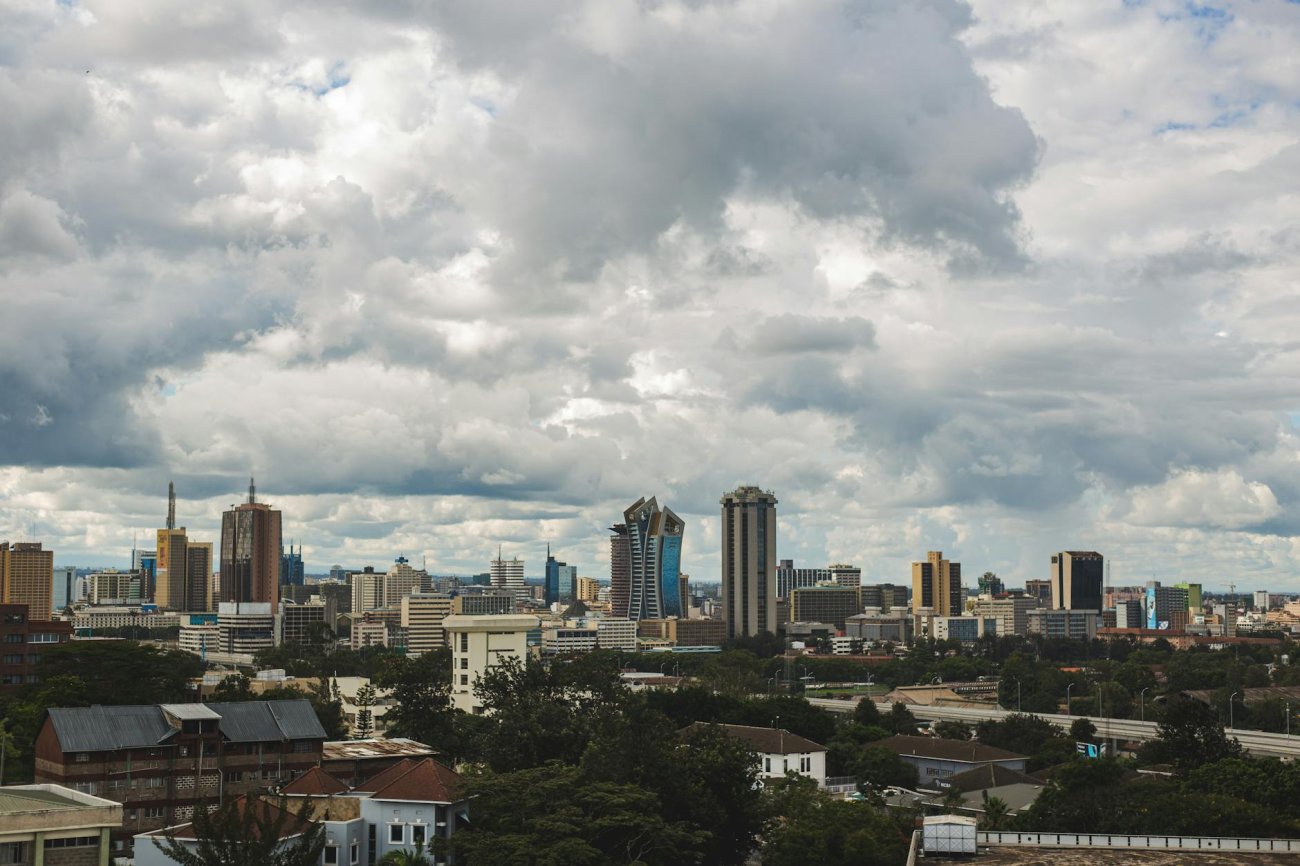
Sudan has lifted a 20-month ban on tea imports from Kenya after talks between President William Ruto and Sudanese Prime Minister Kamil Idris, reopening one of the most important destinations for Kenyan exports and ending a trade rupture that began at the height of a diplomatic crisis between Khartoum and Nairobi. The decision, reported on November 11, 2026, restores Sudanese access to the Mombasa tea auction, the world's largest marketplace for black tea, and hands Kenyan traders back a market that had ranked among their biggest customers.
The ban was imposed in early 2025, after Kenya hosted a February 23, 2025 ceremony in Nairobi at which the paramilitary Rapid Support Forces and allied factions signed a founding charter for a parallel administration to challenge Sudan's military-backed government. Khartoum condemned the event as a violation of its sovereignty, declared Kenya's ambassador persona non grata, recalled its own envoy and ordered a halt to tea purchases from Kenya, a measure aimed directly at one of the East African nation's most vital export industries.
The stakes were substantial. Kenya is the world's largest exporter of black tea, producing about 570 million kilogrammes in 2023, and tea is one of its leading sources of foreign exchange, earning a record 254 billion shillings in 2024, up from roughly 180 billion shillings the previous year, according to the Tea Board of Kenya. More than 600,000 smallholder farmers supply the Kenya Tea Development Agency, and most Kenyan leaf is traded through the weekly auction in Mombasa. In late 2024, in the months before the ban, Sudan was at times the single largest buyer at that auction, alongside Pakistan, Egypt and the United Arab Emirates.
The conflict at the root of the dispute began on April 15, 2023, when fighting erupted in Khartoum between the Sudanese Armed Forces and the Rapid Support Forces. The war has killed tens of thousands of people and displaced more than 12 million, according to United Nations estimates, the largest displacement crisis in the world. In 2024, the Integrated Food Security Phase Classification confirmed famine in at least three displacement camps in North Darfur, and more than 25 million Sudanese are estimated to face acute food insecurity. Sudan's economy and currency have collapsed, with imports now routed largely through Port Sudan on the Red Sea.
Prime Minister Kamil Idris, a former director-general of UNESCO who took office in 2025 under Sudan's military-aligned transitional authorities, held the talks with Ruto that preceded the lifting of the ban. No date or venue for the discussions was given in the initial report, and no timeline has been announced for the resumption of shipments.
For Kenyan exporters, the reopening restores access to a country of more than 40 million people, though how much tea Sudan can buy will depend on wartime purchasing power and the availability of foreign exchange, both of which have deteriorated sharply since 2023. Kenyan sellers also face the task of winning back market share from other tea-producing countries that supplied Sudanese buyers during the 20-month ban.
Any return of Sudanese demand will become visible within weeks at the Mombasa auction, where prices are set week by week and where Sudanese buyers had previously provided significant support for the mainstream grades that make up the bulk of Kenyan production.


Comments
No comments yet — be the first.