
Ruto’s Housing Programme: 220 Homes Delivered as Millions Await Affordable Units
Ruto’s Affordable Housing Programme Expands as Delivery Targets Remain Elusive
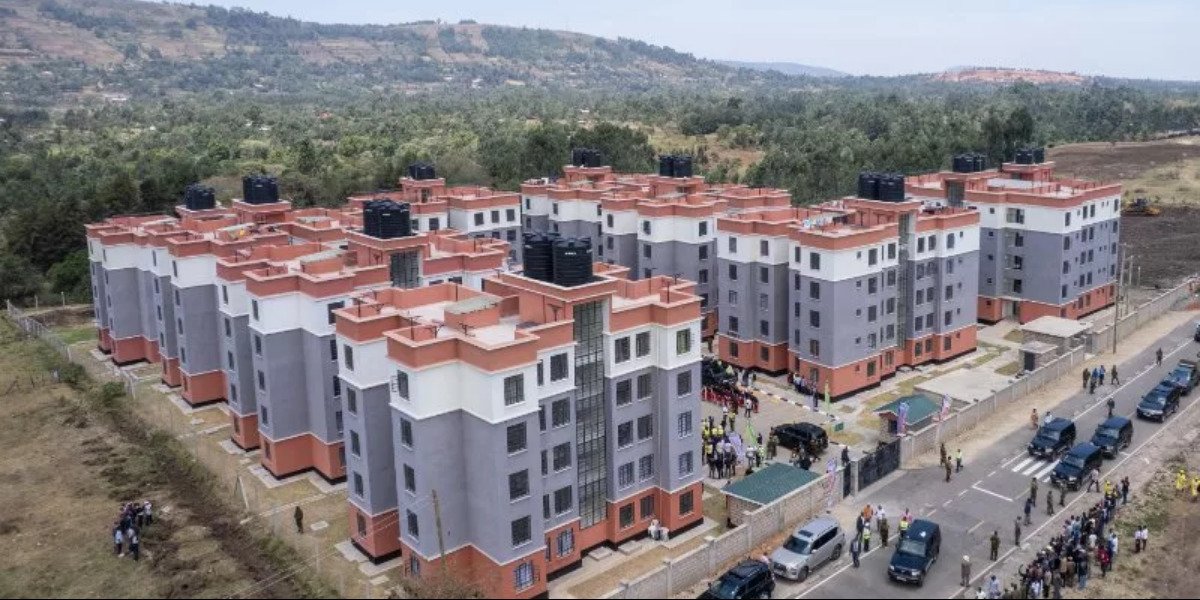
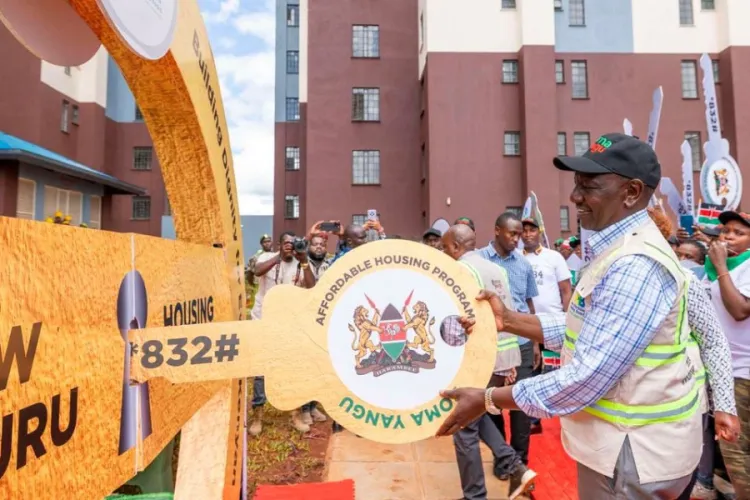
President William Ruto has handed over 220 affordable homes in Bomet County as his administration expands its housing programme across Kenya.
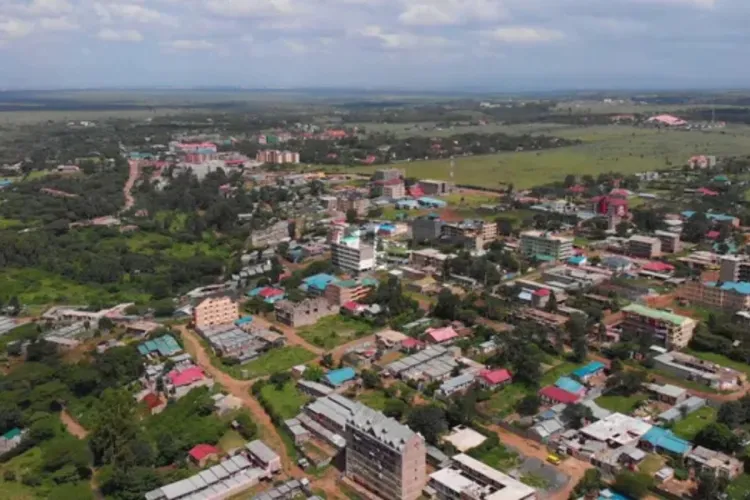
The homes are part of the Chepalungu Affordable Housing Project, which began in May 2023. The development comprises nine residential blocks with 60 studio apartments, 20 one-bedroom units, 120 two-bedroom homes and 20 three-bedroom units. The units are intended for different income groups under the government’s social housing, affordable housing and affordable middle-class categories.
Construction is substantially complete, with utilities and other essential infrastructure in place and the development ready for occupation. The government says 99 percent of the units have been sold. Ruto said the project was part of efforts to increase home ownership in growing towns while limiting the subdivision of productive agricultural land.
“We want our people to have decent homes in our towns while protecting agricultural land for farming. There is no need to continue subdividing productive land when families working and doing business in our towns have access to affordable housing,” he said.
The Chepalungu project was built at an estimated cost of Sh546.8 million. Ruto said a second phase is expected to begin in the coming months. The development comes as the administration enters the fourth year of its affordable housing programme, one of the main elements of its economic agenda. The programme received a statutory basis in March 2024, when Ruto signed the Affordable Housing Act into law.
The government estimates that Kenya has a housing shortage of more than two million units, with demand increasing by about 200,000 homes each year, particularly in urban areas. It has set a target of delivering between 200,000 and 250,000 units annually, with a longer-term goal of up to one million homes over five years.
By March 2026, about 8,800 affordable housing units had been completed and handed over across the country. Annual completions increased from about 1,655 units in 2024 to more than 6,700 in 2025, but remained below the administration’s annual target. The government says a much larger number of homes are currently in the construction pipeline. Between 214,000 and 277,000 units are reportedly under construction across Kenya’s 47 counties, together with more than 73,000 beds for university students.
In Kisumu, the Lumumba housing project was 56 per cent complete in March, while more than 9,000 units were under development across the county. The Mabera project in Migori was 98 per cent complete and nearing handover, while housing projects in Homa Bay had already been completed.
Siaya had 3,832 units under construction, with individual projects between 10 per cent and 37 per cent complete. Kisii had 2,116 units under development, with most projects between 10 per cent and 40 per cent complete. Projects in Nyamira were less advanced, with reported completion rates of between two per cent and four percent.
The differences in progress reflect the varying pace of construction across the country. Project schedules can be affected by contractor capacity, procurement and the availability of infrastructure and other essential services.
The programme has also received significant public funding. According to the Controller of Budget’s National Government Budget Implementation Review Report for the 2025-26 financial year, the affordable housing sub-programme had a revised allocation of Sh124 billion and spent Sh122.18 billion, representing a 99 per cent absorption rate.
Of the amount spent, Sh120.18 billion went towards development, while Sh2 billion was used for recurrent expenditure. The government says the programme has also created more than 1.1 million direct and indirect jobs. These include work for construction workers, plumbers, mechanics and engineers, as well as opportunities for suppliers of building materials, transport operators and other businesses linked to the construction sector.
More than 1.3 million people have registered on the Boma Yangu platform to express interest in buying homes under the programme. For lower-income households, the cost of purchasing the homes remains a key consideration. The government has reduced the required initial deposit from 10 per cent to five per cent and introduced measures that allow some buyers to restructure their payments if they experience financial difficulties.
The programme’s financing model remains politically contested. Workers and employers are required to contribute a 1.5 per cent housing levy. Opposition figures have criticised the levy, arguing that it reduces workers’ take-home pay without guaranteeing them a home. They have pledged to abolish it if they win the 2027 General Election.
Ruto has rejected the proposal, saying that scrapping the levy would weaken a key part of his administration’s economic transformation plans. Concerns have also been raised in Parliament over procurement, project delays, contractor performance and stalled developments. Questions have also been raised about transparency and oversight as billions of shillings are committed to housing projects across the country.
The government’s housing programme therefore faces the task of increasing the number of completed homes while keeping them within reach of the households they are intended to serve. The Chepalungu handover provides a completed project that the administration can point to as evidence of progress. However, national completion figures remain below the programme’s stated targets.


Comments
No comments yet — be the first.