
Mount Kenya Fire: Over 3,000 Hectares Burned as 85% Blaze Is Contained
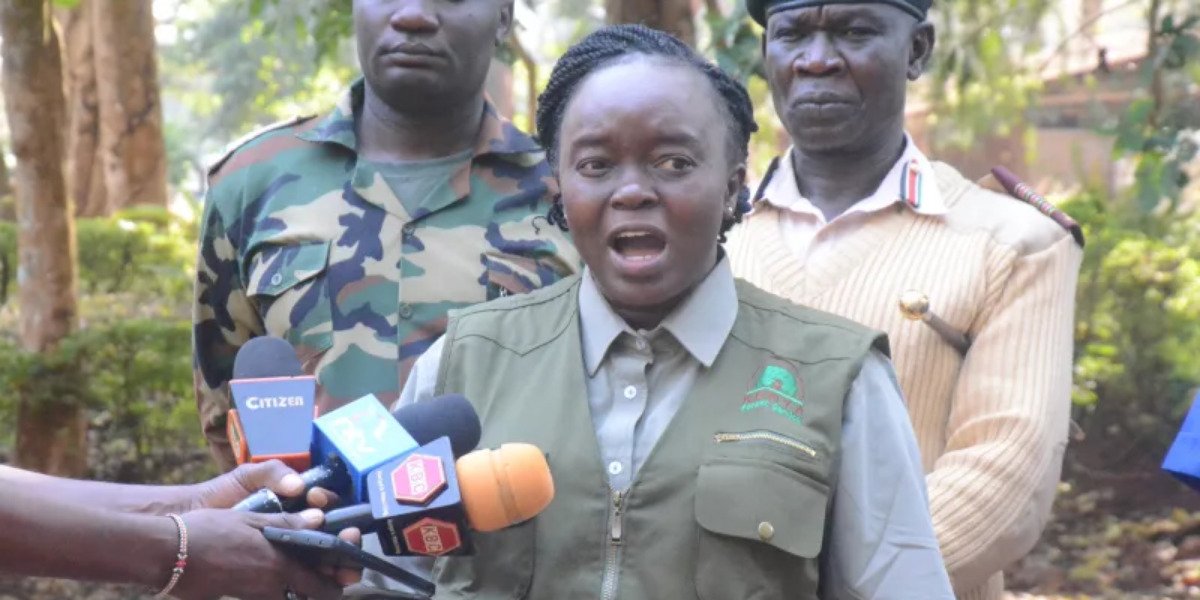
More than 80 percent of the fire in the Mount Kenya Forest has been contained after the blaze burned more than 3,000 hectares of moorland, officials said.
Environment, Climate Change and Forestry Cabinet Secretary Dr Deborah Barasa said the fire was the largest of five outbreaks recorded in the forest since mid-August. She said the spread was worsened by thick vegetation that grew following recent rains, invasive plant species and strong winds that carried the flames across large areas.
More than 400 personnel have been involved in the firefighting operation, including 144 Kenya Defence Forces officers and 100 Kenya Forest Service personnel. Local communities, conservancies and development partners have also supported the response.
The Kenya Forest Service is leading the operation and mapping hotspots to monitor the fire’s intensity and spread. The service said about 85 per cent of the fire had been suppressed and its intensity reduced, but warned that the situation was not yet fully under control.
Dr Barasa praised local residents for their contribution, particularly their knowledge of the terrain and understanding of Mount Kenya’s ecological importance. Investigations are under way to establish the causes of the fires. The findings are expected to inform future prevention measures, including training communities in fire management.
No human casualties have been reported. Wildlife has been displaced from affected areas, although officials said there had been no significant losses among animal populations. Dr Barasa said the forest also has major economic importance, with activities linked to Mount Kenya estimated to contribute about Sh3.9 billion to the national economy each year.
The firefighting effort has highlighted challenges in reaching remote and high-altitude areas. Authorities have called for better road access and the construction of an airstrip to allow firefighting equipment and personnel to be deployed more quickly.
Dr Barasa said such infrastructure would also support conservation work, including the movement of biodiversity and emergency treatment for injured wildlife. The Ministry is preparing restoration measures for areas affected by the fire.
Aerial seeding and other techniques are being considered to speed up recovery. The government also plans to involve local communities in restoration activities during the forthcoming Mazingira Day celebrations.
The Ministry is working more closely with the Kenya Meteorological Department to incorporate weather forecasts, including possible El Niño conditions, into conservation planning. Forest fires in Kenya generally occur during two peak periods: July to September in the Mount Kenya region and January in western Kenya.



Comments
No comments yet — be the first.