
Deadly Alcohol in Familiar Bottles? Kenyans Fear Poison Behind Popular Labels
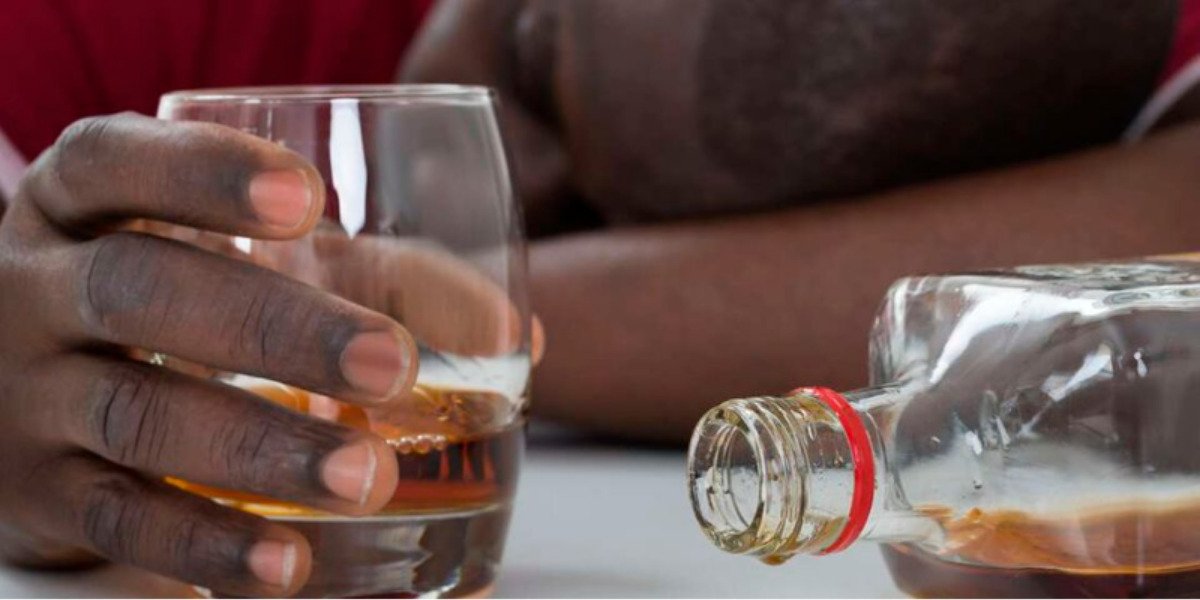
A young man has died in Naivasha after reportedly taking part in a drinking competition, prompting calls for an investigation into the alcohol he consumed.
Former Naivasha MP John Mututho, who led the campaign that resulted in the Alcoholic Drinks Control Act of 2010, has called for a full investigation into the drink involved. He has urged authorities to examine both the manufacturer and the bar where it was sold. If the product is found to have failed safety standards, he said it should be banned and any liquor licences linked to violations revoked.
The case has renewed concerns about counterfeit and adulterated alcohol in Kenya, where counterfeiters are increasingly able to reproduce the packaging of established brands. Consumers have reported severe hangovers, abdominal pain, confusion and hospitalisation after drinking alcohol purchased from wines and spirits shops.
Some recovering addicts have also warned that consumers may not know exactly what they are drinking. These reports are anecdotal and do not establish that the products involved were counterfeit or contaminated.
Consumers have access to some tools for checking alcohol products. The Kenya Revenue Authority's Soma Label mobile application allows users to scan excise stamps and check whether they are authentic. However, experts say that unusual taste, smell or labelling is not enough to confirm that a product is counterfeit.
Laboratory testing and tracing the product through the supply chain are required to establish whether alcohol has been adulterated. Counterfeit alcohol should also be distinguished from illicit alcohol. Smuggled genuine products may avoid taxation while remaining authentic. Counterfeit products, by contrast, are made to resemble legitimate brands and may contain harmful or toxic substances.
Methanol is among the most dangerous contaminants associated with adulterated alcohol. Its early effects can resemble normal intoxication, but poisoning can progress to blindness, coma and death.
Kenya has experienced fatal methanol-poisoning outbreaks in the past. In 2014, more than 100 people died in separate incidents, while others suffered permanent disabilities. In 2024, the National Authority for the Campaign Against Alcohol and Drug Abuse (NACADA) reported deaths and cases of blindness in Kirinyaga linked to illicit brews.
Medical experts say counterfeiters have become highly skilled at reproducing branded packaging, making it difficult for consumers to identify fake products. Toxicologist Joseph Wahome Mukundi has warned that, for many brands, consumers cannot reliably determine whether a product is genuine simply by examining it.




Comments
No comments yet — be the first.