
Ruto’s AU Reform Agenda Faces Test as Member States Still Fund Only 24% of Programme Budget
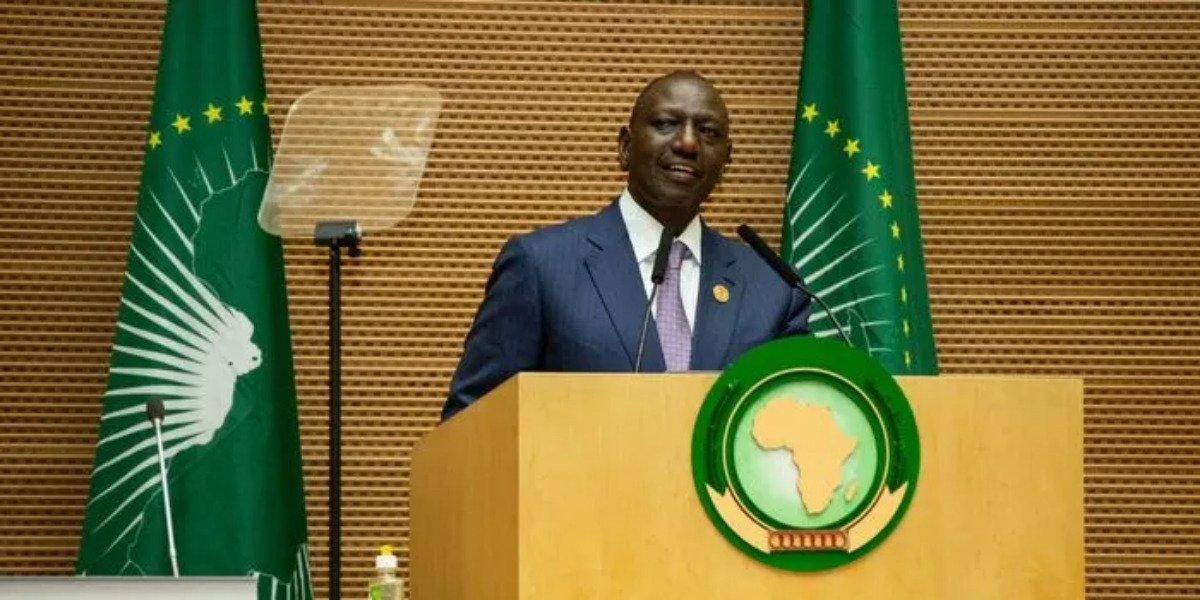
The African Union’s institutional reform programme continues to face a central financing challenge, with member states providing only 24 percent of the continental organisation’s programme budget despite commitments to strengthen its financial independence.
The figure was highlighted in the AU Assembly’s February 2025 decision on institutional reform presented by President William Ruto, who was appointed the Union’s Champion for Institutional Reform in February 2024. The Assembly acknowledged progress in financial governance and the revitalisation of the AU Peace Fund, which had reached its $400 million endowment target. However, it also noted that the organisation had not fully implemented its previous financing decisions and that peace support operations remained heavily dependent on external partners.
The funding gap illustrates the difficulty of translating the AU’s ambitions for institutional independence into a financing system capable of supporting its programmes consistently. Ruto’s mandate covers efforts to improve the effectiveness of AU institutions, clarify responsibilities across the continental system and strengthen accountability.
In February 2025, the Assembly adopted his progress report and established a 10-member Heads of State and Government oversight committee under his leadership to maintain political momentum and guide implementation. The same decision directed the Permanent Representatives Committee, with support from the African Union Commission, to continue reviewing the structures of AU organs and institutions.
It also called for a clearer division of responsibilities between the AU, regional economic communities, regional mechanisms and member states. On peace and security, the Assembly authorised a five-member panel of African experts to review the Union’s peace and security framework, reflecting concerns about the continent’s changing security environment and the need for more effective institutional responses.
The reforms extend beyond administrative restructuring. The Assembly also requested further consultations on financing, including the barriers preventing full implementation of existing funding decisions, and called for a review of the legal, structural and financial implications of operationalising the African Court of Justice. It further appealed to member states to ratify the Malabo Protocol, which would establish an international criminal law jurisdiction within the proposed African Court of Justice and Human Rights framework.
The AU’s February 2026 reform decision indicates that the process has continued, but several major tasks remain in progress. Assembly/AU/Dec.967(XXXIX) called for further work on the organisation’s peace and security architecture, financing arrangements and institutional restructuring.
The 2026 decision also reaffirmed that member states were financing only 24 per cent of the programme budget. It called for an expansion of the Peace Fund’s endowment from $400 million to $1 billion, alongside efforts to diversify funding sources and strengthen partnerships with African financial institutions. The Assembly directed that an extraordinary session of the Executive Council bringing together foreign affairs and finance ministers be convened no later than November 2026 to address the financing of the Union and its Peace Fund.
Separately, AU Deputy Chairperson Selma Malika Haddadi has stressed the importance of trust, accountability and cooperation in making continental and international institutions effective. Her reported remarks reinforce the broader institutional question of how governments can build confidence in organisations whose commitments depend on collective action.





Comments
No comments yet — be the first.