


Gachagua Attacks Ruto's 'Usawa ni Sawa' Over 'Tribal' State Appointments

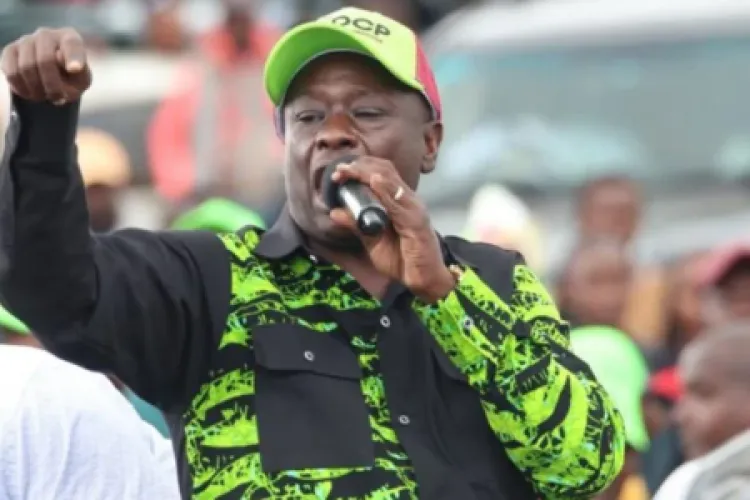
NAIROBI, Kenya — Rigathi Gachagua, leader of the Democracy for Citizens Party (DCP), has attacked President William Ruto's "Usawa ni Sawa" campaign, questioning the government's commitment to equal opportunity after a series of state appointments involving people from the Kalenjin community, the ethnic group to which the president himself belongs. The broadside, reported from the capital Nairobi, pushes the equity record of the Ruto administration to the centre of Kenyan politics less than a year before the next general election.
Gachagua was Ruto's running mate in the August 2022 presidential election, a contest the joint ticket won with 7.18 million votes, about 50.5 per cent of the total, defeating Raila Odinga, who polled 6.94 million. He served as deputy president from September 2022 until October 17, 2024, when the Senate upheld five impeachment charges against him, among them gross violation of the constitution and ethnically divisive conduct, making him the first deputy president removed from office under the 2010 Constitution. He has since rebuilt his career in opposition at the head of the DCP.
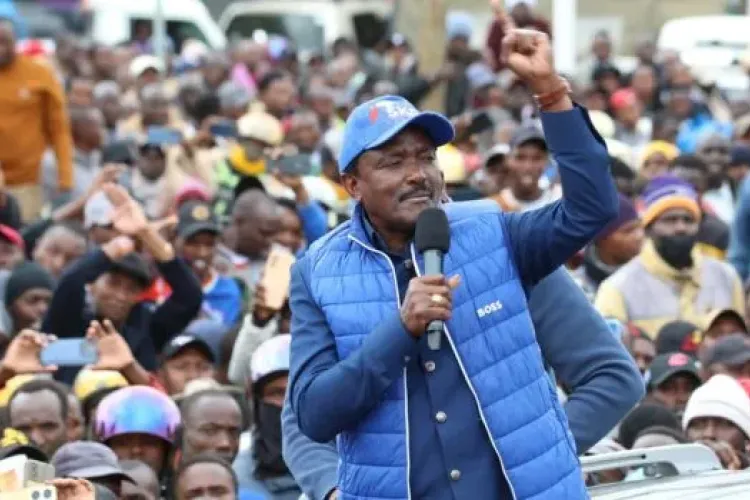
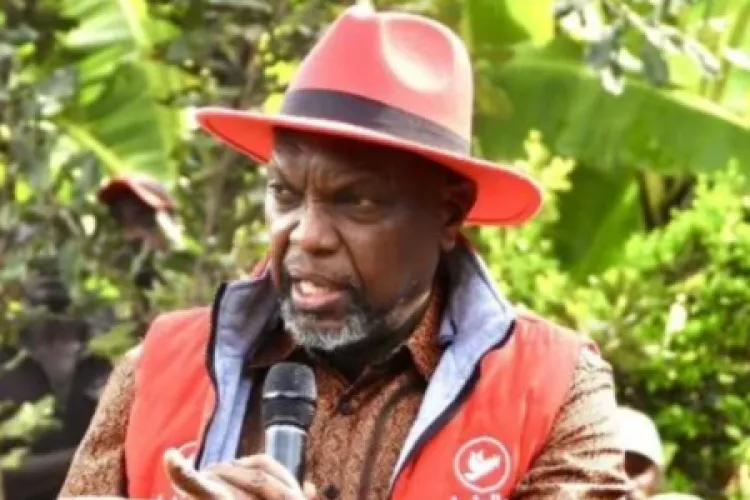
The former deputy president's target is the slogan at the heart of the administration's promise of fairness. Gachagua set the "Usawa ni Sawa" message against what he cast as a "tribal" pattern of appointments, arguing that state postings handed to figures drawn from the Kalenjin community sit at odds with a government that campaigns on equal opportunity for all of Kenya's communities.
The accusation lands on an area of Kenyan law with clear tests. The 2010 Constitution binds all state organs to national values that include inclusiveness and equity under Article 10, while Article 232 requires the public service to reflect the representation of Kenya's diverse communities. The National Cohesion and Integration Act of 2008 goes further, barring any single public body from employing more than 70 per cent of its staff from one ethnic community, a threshold monitored through audits by the National Cohesion and Integration Commission. Senior state appointments in Kenya are also subject to vetting by Parliament under the Public Appointments (Parliamentary Approval) Act of 2011.
Politically, the dispute revives the fault line that destroyed the Ruto-Gachagua partnership. Gachagua hails from the vote-rich Mt Kenya region, whose backing helped carry the 2022 ticket to victory, and competition for that bloc has become a defining feature of the race toward 2027. His removal from the deputy presidency fractured that alliance, and the DCP now competes for the same electorate the president must retain in order to win a second term. Kenyan presidents are limited to two five-year terms under the constitution, and Ruto remains eligible to seek re-election.
The quarrel now moves through several arenas: any formal reply from State House to the criticism, the possibility that bodies such as the National Cohesion and Integration Commission are drawn into the argument over appointment patterns, and the handling of future parliamentary vetting exercises for senior officeholders. Under Kenya's constitutional calendar, general elections fall on the second Tuesday of August every fifth year, fixing the next national vote for August 10, 2027.
Comments
No comments yet — be the first.