

How Can Twins Have Different Parents? A Fertility Expert Explains.
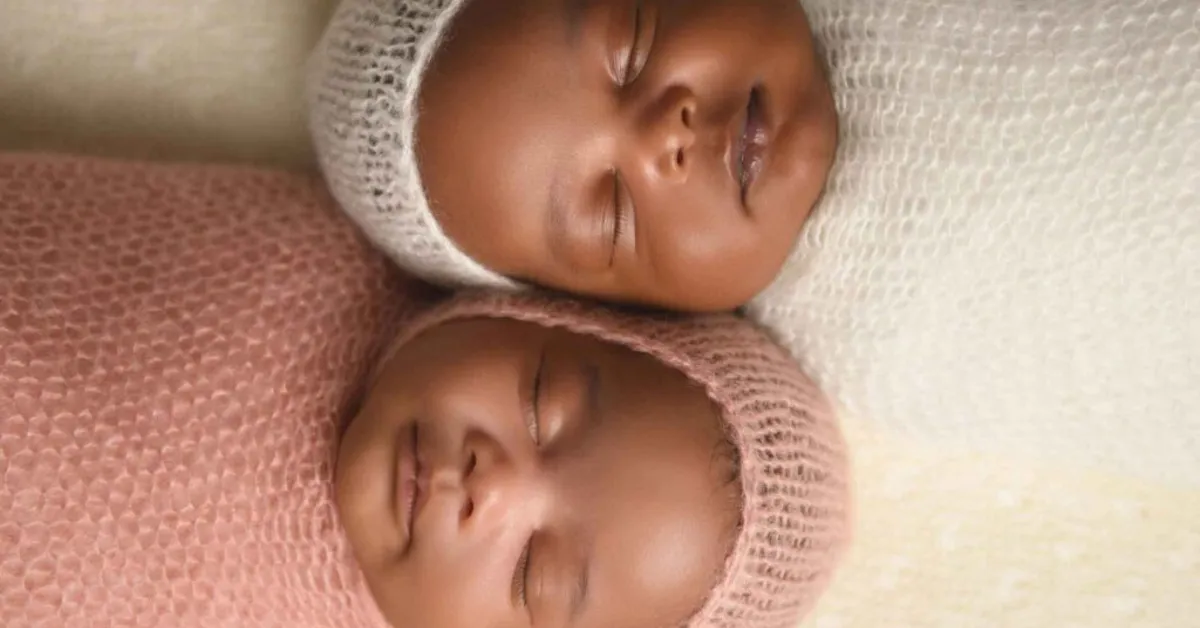
A Gold Coast surrogate has given birth to twins who have no genetic connection, in a rare case that has raised complex legal questions in Queensland.
The 27-year-old woman, who already has five children, had agreed to carry a baby for a couple who were unable to conceive naturally. After an embryo was transferred, early scans showed that she was carrying twins.
DNA testing later established that the baby girl was the biological child of the commissioning couple, while the baby boy was the surrogate’s biological son, conceived naturally with her husband during the same fertility cycle. The unusual pregnancy occurred because the embryo transfer was timed to coincide with the surrogate’s natural ovulation, a technique sometimes used to improve the chances of implantation.
However, the timing also meant that natural conception was possible if intercourse occurred around the same period. In this case, both the transferred IVF embryo and a naturally fertilised embryo implanted successfully. The result was a twin pregnancy involving two children from separate families.
The case presented a legal challenge because Queensland’s surrogacy laws prohibit the separation of twins born through a surrogacy arrangement. The provision is intended to protect siblings from being separated after birth.
However, the Children’s Court of Queensland ruled that the two babies did not fall within the legal definition of “birth siblings” because they had been conceived independently and had no genetic connection. Judge Jodie Wooldridge KC therefore allowed each child to be raised by their respective biological parents.
The judge also stressed that the children’s best interests were the central consideration. Counsellors who assessed the families concluded that separating the children at birth was unlikely to cause psychological harm, provided they were raised openly about their origins.
Both families have agreed to maintain a relationship between the children. They intend for the two children to know about their unusual connection as they grow up.
The case is the first of its kind reported in Australia and only the third such case reported globally.




















Add new comment