

Why More Kenyans Abroad Are Choosing to Be Buried Where They Lived
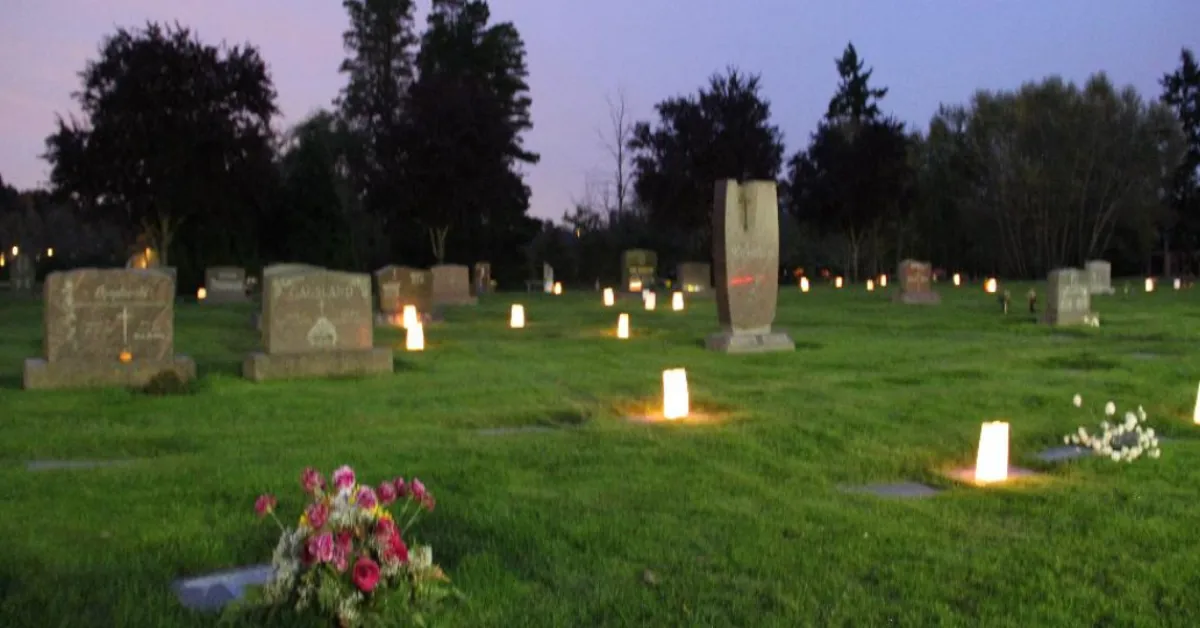
More Kenyans living abroad are choosing to be buried in the countries where they built their lives, rather than having their bodies repatriated to Kenya after death.
For generations, returning to Kenya for burial has been regarded as an important part of diaspora life. Many Kenyans who moved abroad for education, work or business were expected to eventually return to their ancestral homes, including after death. That expectation is now being reconsidered as families face the financial, legal and emotional costs of repatriating remains.
The death of a Kenyan abroad can lead to urgent fundraising within diaspora communities. Families may need to raise thousands of pounds or dollars to cover mortuary charges, documentation, embalming, transportation and international airline cargo fees.
Cremation can reduce some of these costs, with ashes transported to Kenya for burial or safekeeping. Increasingly, however, some families are considering burial in the country where the deceased lived and established a family and community.
One of the main concerns is the difficulty that can follow the repatriation of a body.
Families dealing with grief may also have to resolve disagreements over where the deceased should be buried, particularly when questions arise over ancestral land and inheritance. In some cases, bodies arriving at Jomo Kenyatta International Airport have remained in mortuaries for extended periods while relatives settle disputes over burial arrangements. Such delays can increase mortuary costs and prolong the distress of those mourning the deceased.
Land disputes are not the only complication. Kenyans who spend many years abroad often accumulate homes, businesses and other assets both overseas and in Kenya. Their deaths can expose unresolved family disagreements and lead to competing claims over their estates.
Families that favour burial abroad argue that money spent on repatriating remains and managing related disputes could instead be used to support surviving spouses, children and other dependants. There is also a changing understanding of where a person's home is. Many Kenyans abroad have spent decades in their adopted countries, where they have raised children, bought homes and developed professional and social networks.
For such families, a funeral held locally can allow spouses, children, friends, colleagues and neighbours to mourn together. Many of those closest to the deceased may have little connection to Kenya and may never be able to travel there for a burial.
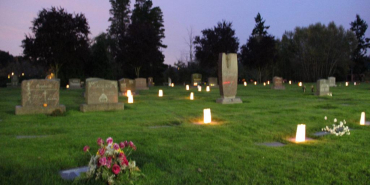
This shift is visible in parts of the United States, including Minnesota, which has a substantial Kenyan community. Cemeteries in the state have increasingly become places where immigrant families maintain lasting connections with their loved ones.
One example is Gethsemane Cemetery in New Hope, a suburban community in Hennepin County. Established in 1961 and managed within the Catholic Cemeteries system of the Archdiocese, the cemetery covers dozens of acres and serves communities from different cultural backgrounds.
The cemetery reflects the changing composition of Minnesota's population, including immigrant communities that have established long-term roots in the state. For Kenyan families, such burial grounds can provide a permanent place to remember relatives who spent much of their lives in the United States.
Local burial also makes it easier for relatives and friends to visit graves. Families can mark anniversaries and other important occasions without having to make expensive international journeys.
The name Gethsemane also has particular significance for Christian families. In the Bible, Gethsemane is associated with the period before Jesus' crucifixion, when he prayed and faced suffering. For immigrant families dealing with bereavement far from their ancestral homes, the name can carry associations of faith, reflection and comfort.
The debate over burial is also linked to the changing nature of the Kenyan diaspora. Thousands of Kenyan professionals, including nurses and other healthcare workers, have built careers in the United States and other Western countries.
Many have spent most of their adult lives abroad and established families and communities there. When they die, their immediate families, friends and professional networks may be based thousands of kilometres from Kenya.
As migration becomes more permanent, attitudes towards burial are changing with it. Burial abroad is increasingly viewed by some families not as a rejection of Kenyan heritage, but as an acknowledgement of the life the deceased built in another country.
For some diaspora families, a person's identity can be connected to more than one country. Kenya may remain the country of birth and ancestry, while another country may be where the person spent most of their working life, raised their children and formed their closest relationships.
There are historical examples of people who settled in Kenya and remained buried there after their deaths. The graves of many Europeans who lived in colonial and post-colonial Kenya remain part of the country's historical landscape.
That history has prompted some members of the diaspora to question whether families should incur substantial costs to transport bodies across continents when a suitable burial place already exists in the community where the deceased lived.










Add new comment