


How Religious Pilgrimages Across East Africa Have Turned Deadly
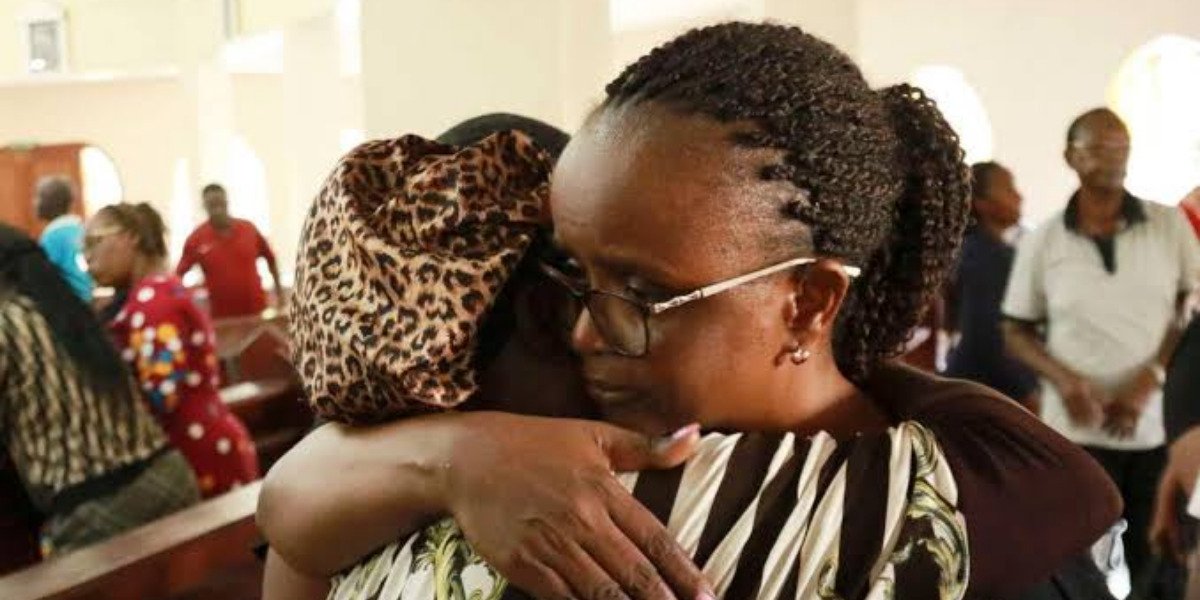
The deaths of 16 Catholic pilgrims in the Salama road crash have highlighted the dangers faced by worshippers travelling long distances to religious sites and prayer gatherings across East Africa.
The pilgrims, members of St Mathias Mulumba Catholic Parish in Mikindani, Mombasa, were travelling to the Subukia National Marian Shrine in Nakuru for the National Prayer Day when they were killed in the crash on the Nairobi-Mombasa highway. A 17th person also died in the accident.
Relatives and fellow worshippers gathered at St Mathias Mulumba Catholic Church to mourn the victims as the scale of the tragedy became clear. The crash is one of several incidents involving pilgrims travelling by road to religious gatherings in Kenya and neighbouring countries.
In 2024, five people died and nine others were injured in a crash at Mahiga Meeru along the Nyahururu-Nyeri Road. Those killed included the driver and women from St Peter’s Gaitega of the Cathedral Parish in the Catholic Diocese of Murang’a.
The group was returning from a National Prayer Meeting at the Subukia Marian Shrine, where thousands of members of the Catholic Women Association had gathered. Long-distance pilgrimages to Uganda have also exposed Kenyan worshippers to significant risks.
Thousands of Kenyan Catholics travel to the Uganda Martyrs Shrine at Namugongo each year for Uganda Martyrs Day. Some make the journey on foot, walking hundreds of kilometres along roads shared with heavy trucks, buses and motorcycles.
The physical demands of such journeys can be considerable, with pilgrims sometimes walking for several consecutive days while facing traffic, changing weather and limited roadside facilities. In May 2024, Kenyan pilgrim Joseph Chepkurui Sinon died after collapsing while walking towards Namugongo. He had travelled about 300 kilometres before reaching the Uganda border.
He was not the first Kenyan pilgrim to die during the journey. In 2019, Geoffrey Obanga Ashiuma, Roselyne Wanjala, Sarah Adhiambo Ouko and Evelyne Madinde were killed on the Iganga-Jinja highway while walking towards Namugongo. They were struck by a vehicle during heavy rain.
The pilgrimage route has a longer history of deaths. In 1998, Kenyan pilgrim John Kibe died in Mabira Forest while travelling on foot towards the shrine. Uganda has also recorded deaths among pilgrims travelling to Namugongo. Joventa Tukahiirwa died in 2022 after being struck by a vehicle, while Margaret Namatovu was killed by a car in 2023 while heading to the shrine.
In 2024, Ronald Ojok died after becoming seriously ill at a pilgrims’ camp.
The incidents show that the risks facing pilgrims are not limited to road crashes. Exhaustion, illness and medical emergencies can also become fatal during physically demanding journeys, particularly where access to medical care and adequate rest is limited.
The dangers are not confined to the Kenya-Uganda pilgrimage route. Religious ceremonies across East Africa attract large numbers of worshippers to churches, shrines, monasteries and other sacred sites, with some pilgrims travelling hundreds of kilometres to attend them.
Some incidents have also occurred after pilgrims reached their destinations.
In Ethiopia, at least 14 people were killed and seven others injured in August 2026 when a landslide struck worshippers at Tsadqane Debre Mitmaq St Mary Monastery during a spiritual-cleansing and holy-water ritual. Several other people were initially reported missing.
The incident followed another deadly disaster at Arerti St Mary’s Church in October 2025, when temporary scaffolding collapsed during a religious festival attended by large numbers of pilgrims. At least 36 people died and more than 200 were injured.
The incidents have involved different circumstances, ranging from road crashes and illness to crowd-related disasters and structural failures.
For pilgrims, these journeys are acts of religious devotion that can involve significant physical demands. The scale of such movements also requires churches, organisers and authorities to consider transport safety, pedestrian protection, medical preparedness, crowd management and emergency response.



Comments
No comments yet — be the first.