


Families of River Yala Victims to Receive at Least Ksh3 Million From Government

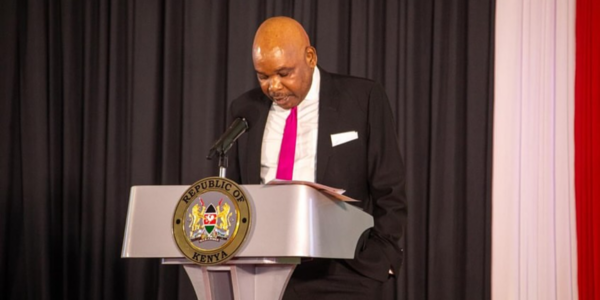
Families of people killed in the River Yala extrajudicial killings will each receive at least Sh3 million from the state, following an expansion of the protest victims compensation panel’s mandate by President William Ruto.
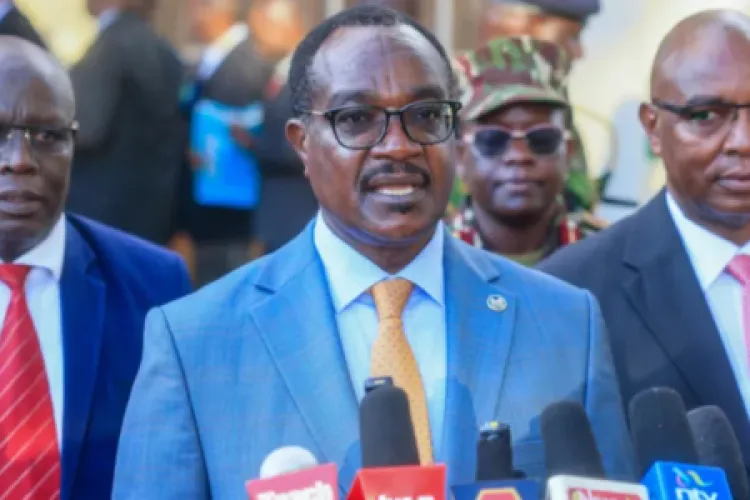
The Panel of Experts on Compensation of Victims of Protests has already identified at least 10 River Yala cases with credible records and begun reviewing their files. Panel chairperson Prof Makau Mutua said the team is working with the Independent Policing Oversight Authority (IPOA) to establish the circumstances surrounding the deaths, which occurred under the previous administration.
The move comes as total disbursements by the panel surpassed Sh1.218 billion across 1,476 processed claims for protest-related and human rights violations dating back to 2013.
Panel technical lead Richard Barno said the compensated beneficiaries include 236 fatality cases, 14 aggravated injuries, 214 severe injuries, 459 moderate injuries and 369 minor injuries. Another 14 claims involved survivors of sexual violence, while 170 covered economic losses.
"The panel has processed 1,476 victims across the different categories of violations, with compensation disbursements amounting to slightly over Sh1.218 billion," Mr Barno said.
The panel is currently reviewing more than 3,000 additional applications received through its offices and official channels. Beneficiaries include civilians, journalists and members of the security forces caught up in protests.
Panel member Dr Duncan Ndeda explained that payouts are tied to the severity of each violation. Victims with minor injuries receive Sh50,000, while moderate injuries attract Sh500,000 and severe injuries Sh1 million.
Aggravated injuries are compensated at between Sh1.5 million and Sh3 million, while every verified fatality attracts a minimum of Sh3 million.
"The amount awarded for aggravated injuries depends on several factors, with the loss of a body part or bodily function being one of the major considerations," Dr Ndeda said.
To process older cases going back to 2013 where medical records may be lost, the panel accepts alternative proof, including witness accounts and confirmation from local chiefs. Applicants for fatality claims, however, must submit burial permits and post-mortem reports.
Prof Mutua used the briefing to push back against social media allegations of bribery and impropriety involving panel members, challenging accusers to report any evidence to the police or the panel.
"We are not afraid of being scrutinised or challenged," he said, urging journalists to demand proof from those making claims online.
He added that the panel will publish a redacted list of processed claims at the end of its mandate to comply with data protection laws, while handing over complete records to the Auditor-General.
Prof Mutua stressed that financial payouts do not replace criminal accountability. Investigations by IPOA, the National Police Service and the Office of the Director of Public Prosecutions remain active to identify and prosecute perpetrators.
Alongside visiting bereaved families across the country to deliver government apologies, the panel is drafting a proposed law to regulate the constitutional right to protest and pushing for policing reforms to prevent future abuses.


Comments
No comments yet — be the first.