

How Parents Are Redesigning Homes for Crawling and Walking Toddlers
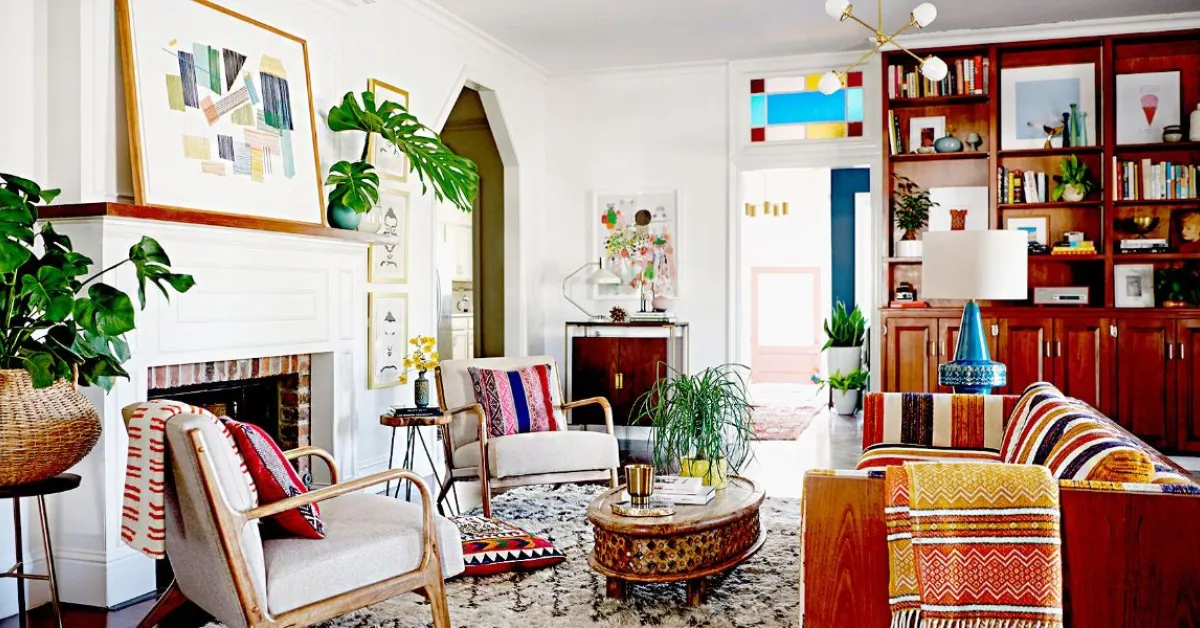
As children begin to crawl and walk, many mothers are redesigning their homes to make them safer and easier for young children to use independently.
The shift from infancy to mobility often changes the way families organise their living spaces. Rooms designed for adults are adapted to support a child’s growing curiosity and movement.
For many parents, safety is the first concern. Furniture and household items that once seemed harmless can become risks for toddlers learning to explore their surroundings.
Judy, the mother of a ten-month-old girl, replaced her glass coffee table with a fabric ottoman to remove sharp edges and provide a safer surface for her daughter to practise standing. Similar changes are becoming more common in family homes.
Bookshelves are secured to walls, rugs are placed over hard floors, and safety gates are used to block staircases and kitchens while allowing children access to other areas. Many mothers are also redesigning spaces to encourage independence as well as safety.
Grace, who is raising twin girls, reorganised her living room shelves by moving fragile objects higher and placing puzzles, blocks, and books within reach of her children. The arrangement created a space where the girls could play and explore without constant supervision.
Other parts of the home are being adapted in similar ways. Some kitchens now include low cupboards filled with child-safe bowls and cups so toddlers can take part in daily routines. Bedrooms are being arranged with open storage at floor level to help children access and put away their toys independently.
Experts say these adjustments are temporary but can have lasting effects. Safety gates, cupboard latches, and edge protectors may eventually be removed, but children benefit from learning in an environment designed to support their confidence and independence.





















Add new comment