
Kenyan Students Abroad Brace for Visa Delays Amid Global Tensions
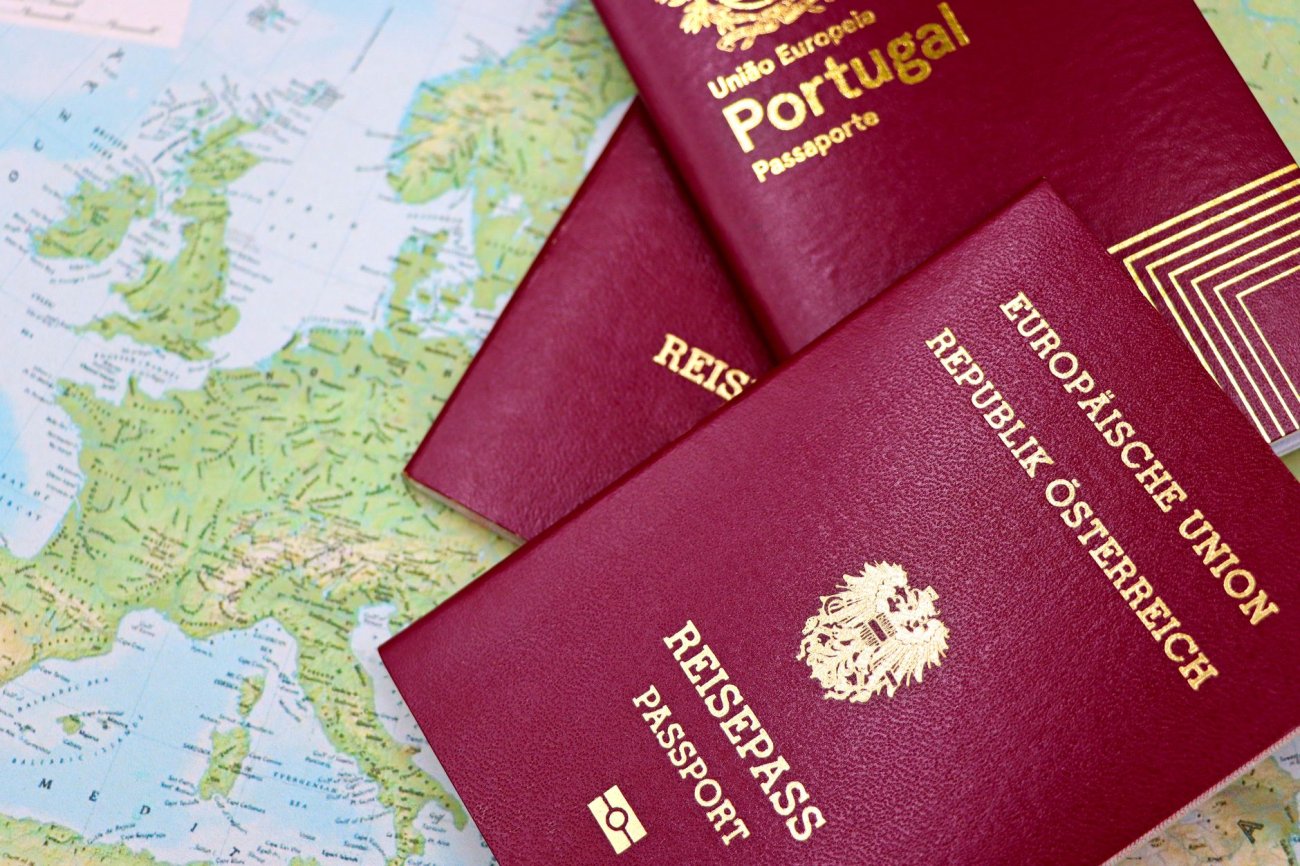
Kenyan students pursuing education abroad are facing significant challenges due to recent visa processing delays, exacerbated by the global geopolitical tensions and evolving immigration policies. These delays have impacted students in countries such as the United States, United Kingdom, and Australia, where a significant number of Kenyan nationals are enrolled in tertiary institutions.
Kenya's Cabinet Secretary for Foreign Affairs, Alfred Mutua, acknowledged the growing concerns during a recent press briefing in Nairobi. "We are aware of the difficulties our students are facing with visa processing delays and are actively engaging with the respective embassies to expedite the process," said Mutua. He emphasized Kenya's commitment to ensuring that students can access education opportunities abroad without unnecessary hindrances.
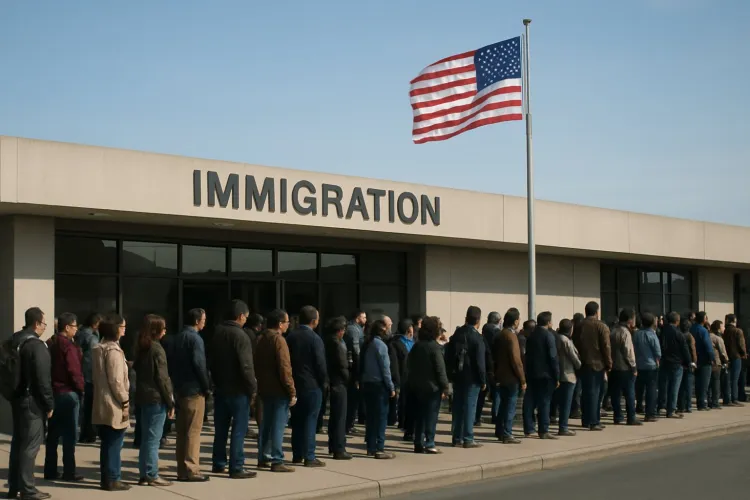
In the United States, the U.S. Citizenship and Immigration Services (USCIS) has reported extended processing times for student visas, with some applications taking up to 120 days, compared to the usual 60 days. This delay has been attributed to increased demand and staffing shortages. Rose Mwangi, a Kenyan student at Harvard University, expressed her frustration, stating, "The extended wait time is not only stressful but also disrupts academic plans and schedules."
The situation is similar in the United Kingdom, where the Home Office has been grappling with a backlog of visa applications. According to data from the UK Visas and Immigration, the processing time for Tier 4 student visas has risen from the standard three weeks to over eight weeks. This has been attributed to the heightened security checks and increased applications as a result of the recent geopolitical events in Europe.
In Australia, the Department of Home Affairs has recognized the bottleneck and is working towards reducing the application processing time, which has reached up to 90 days. Kenya's High Commissioner to Australia, Isaiah Kabira, stated, "We have been in constant communication with the Australian authorities to ensure our students receive their visas in a timely manner. They have assured us of their commitment to addressing these delays."
The delays have a direct impact on the academic and financial planning of Kenyan students abroad. Many students, like John Ochieng, a postgraduate student at the University of Sydney, have had to defer their studies or miss out on crucial academic engagements. "It's disheartening to see our educational pursuits hindered by circumstances beyond our control," said Ochieng.
For students seeking assistance, the Kenyan Embassy in Washington D.C. has set up a dedicated helpline at +1 (202) 387-6101 and encourages students to reach out for support and guidance. Additionally, students are advised to regularly check the official USCIS and UK Home Office websites for updates on their visa applications.
As the global landscape continues to evolve, the Kenyan government and its embassies abroad remain steadfast in their efforts to support their citizens in navigating these complex challenges. The ongoing discussions between Kenyan diplomats and foreign governments highlight the importance of international cooperation in ensuring the mobility of students and the continuity of their educational journeys.





Comments
No comments yet — be the first.