

Ebola's Relentless Return to DRC: A Deepening Human Crisis

The Democratic Republic of the Congo (DRC) is once again grappling with a devastating Ebola outbreak, with the World Health Organization (WHO) reporting at least 139 suspected deaths and approximately 600 cases as of the latest updates. This resurgence of the deadly virus raises urgent questions about the effectiveness of health systems in place and the broader implications for public health.
The current outbreak is particularly alarming as it involves a rare strain of the Ebola virus, which has been identified in the northeastern region of the DRC, an area already beset by ongoing conflict and instability. The WHO has indicated that the situation may be even more dire than initially thought, as many additional cases may go unreported, hidden within communities that lack adequate healthcare infrastructure.
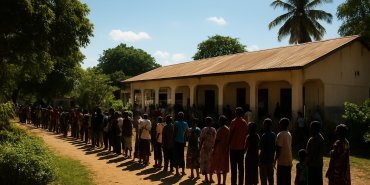
Health officials have long struggled with the cyclical nature of Ebola in the DRC, which has experienced multiple outbreaks since the virus was first identified in 1976. The reasons for its persistent re-emergence are complex and multifaceted. The interplay of factors such as inadequate healthcare access, cultural practices, and political instability has created an environment where the virus can thrive. In regions like Mongbwalu, families are left to grieve their losses while also facing the harsh realities of a healthcare system that is ill-equipped to handle such crises.
The emotional toll of the outbreak is profound, as communities are forced to confront the fear and stigma associated with the virus. Survivors often face isolation, and the loss of loved ones leaves lasting scars on the psyche of affected families. The WHO's warnings about the potential for increasing numbers of cases underscore the urgency for international assistance and intervention to contain the outbreak before it spirals further out of control.
The situation in the DRC is exacerbated by ongoing conflicts that hinder access to affected areas, complicating efforts to deploy medical teams and resources. Security challenges faced by aid workers make it difficult to establish vaccination programs and educate communities about prevention measures. This has raised alarms not only within the DRC but also throughout the African continent, as the potential for the virus to spread beyond its current borders looms large.
Moreover, the DRC’s recurring Ebola crises expose significant gaps in outbreak preparedness and response mechanisms. Experts emphasize that investment in healthcare infrastructure and emergency response systems is essential to prevent future outbreaks. The importance of timely interventions, including vaccination and effective communication strategies, cannot be overstated. The DRC has seen some success in controlling previous outbreaks through rapid response teams and vaccination campaigns, but the lessons learned have not been consistently applied, leaving communities vulnerable to recurring epidemics.
As the situation evolves, the global community must pay attention to the human cost of the outbreak. Each reported case represents not just a statistic but a person with a family, dreams, and a life cut short. The WHO and other health organizations are calling for increased funding and resources to bolster healthcare systems in the DRC and to enhance surveillance measures that could help detect outbreaks before they escalate.
The heartbreaking reality is that as long as the DRC remains susceptible to Ebola due to systemic health challenges and socio-political factors, the risk of future outbreaks will persist. This crisis is not just a national issue but a global one that urges a collective response to a threat that knows no borders.


















Add new comment