

Tupac Shakur Murder: Duane ‘Keffe D’ Davis Sentenced After Nearly 30 Years
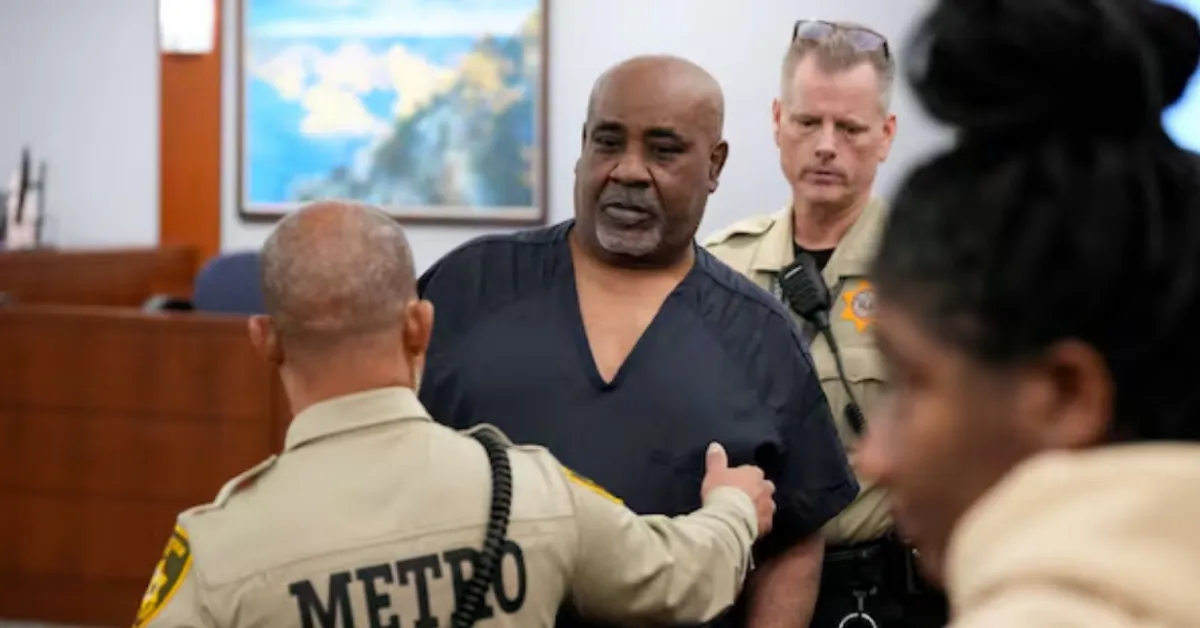
Duane ‘Keffe D’ Davis, 63, has been sentenced to prison following his conviction for the 1996 murder of rapper Tupac Shakur, bringing a decades-long criminal case to a major turning point.
Davis was found guilty in September of murder with the use of a deadly weapon in connection with Shakur’s fatal shooting in Las Vegas. Although he did not fire the shots himself, prosecutors argued that he helped plan and facilitate the attack. Davis has said he intends to appeal the conviction.
During the sentencing hearing, members of Shakur’s family described the lasting impact of his death. His sister, Sekyiwa Shakur, told the court that the loss had caused years of pain for their family and deprived communities of an artist she believed was committed to social progress and positive change. She urged the judge to impose the harshest possible sentence, saying the consequences of the crime extended beyond his immediate relatives.
Shakur’s brother, Maurice Shakur, also called for the longest possible sentence. Their statements reflected the family’s long wait for justice in a case that remained unresolved for nearly 30 years and became one of the most prominent unsolved murders in the entertainment industry.
Judge Carli Kierny emphasised the seriousness of the crime when delivering the sentence, noting that Shakur had lost his life and the opportunity to fulfil his future potential. The judge added that the passage of time had not erased the significance of his death or its impact on those left behind.
Davis made little comment during the hearing. When given an opportunity to address the court, he briefly stated that he intended to appeal the jury’s decision.
The prosecution relied heavily on statements Davis had made about his involvement in the events surrounding Shakur’s killing.
Investigators pointed to repeated public accounts in which he acknowledged being inside the white Cadillac from which the shots were fired. His remarks, made during interviews and in published accounts of his life, became central to the case.
The prosecution did not depend primarily on newly discovered forensic evidence or witnesses coming forward decades after the shooting. Instead, Davis’s own statements played a major role in securing the conviction.
In a 2008 police interview conducted under a protective agreement connected to the investigation into the death of rapper Christopher Wallace, known professionally as The Notorious B.I.G., Davis discussed his involvement in the events surrounding Shakur’s murder. The agreement initially protected him from prosecution over the information he provided.
However, prosecutors later argued that Davis’s public statements in subsequent years went beyond the protection offered by the earlier agreement. His 2019 memoir, Compton Street Legend, and several media appearances provided further details about his account of the events. Prosecutors successfully argued that these disclosures could be used as evidence during the murder trial.
The case demonstrated how statements made publicly can become important evidence in criminal investigations, even when a case has remained unresolved for decades. Davis’s repeated willingness to discuss his alleged role ultimately helped investigators build a case against him.
Shakur was 25 when he was shot in Las Vegas in September 1996. He had become one of the most influential figures in hip-hop, combining commercial success with music that addressed social inequality, politics and life in disadvantaged communities.
His death fuelled years of speculation about the circumstances of the shooting, with theories often linked to rivalries within the music industry during the 1990s. The absence of arrests for many years allowed competing explanations to spread, turning the case into a lasting subject of public interest.
The eventual conviction offered a significant legal development in a case that had long been associated with unanswered questions about one of the most high-profile killings in American music. During the trial, defence lawyers argued that Davis’s statements should not be accepted as factual accounts of the murder. They maintained that he had exaggerated his involvement to enhance his reputation and earn money through books and media appearances. The jury rejected that argument and found him guilty.
Prosecutors told the court that Davis, a former leader within the South Side Compton Crips, supplied the weapon and helped direct the operation that led to Shakur’s death. They alleged that his nephew, Orlando Anderson, fired the shots. Anderson denied involvement in the killing and died in an unrelated shooting in 1998.



















Add new comment