

East Africa's Iconic Snow Peaks Face Imminent Extinction
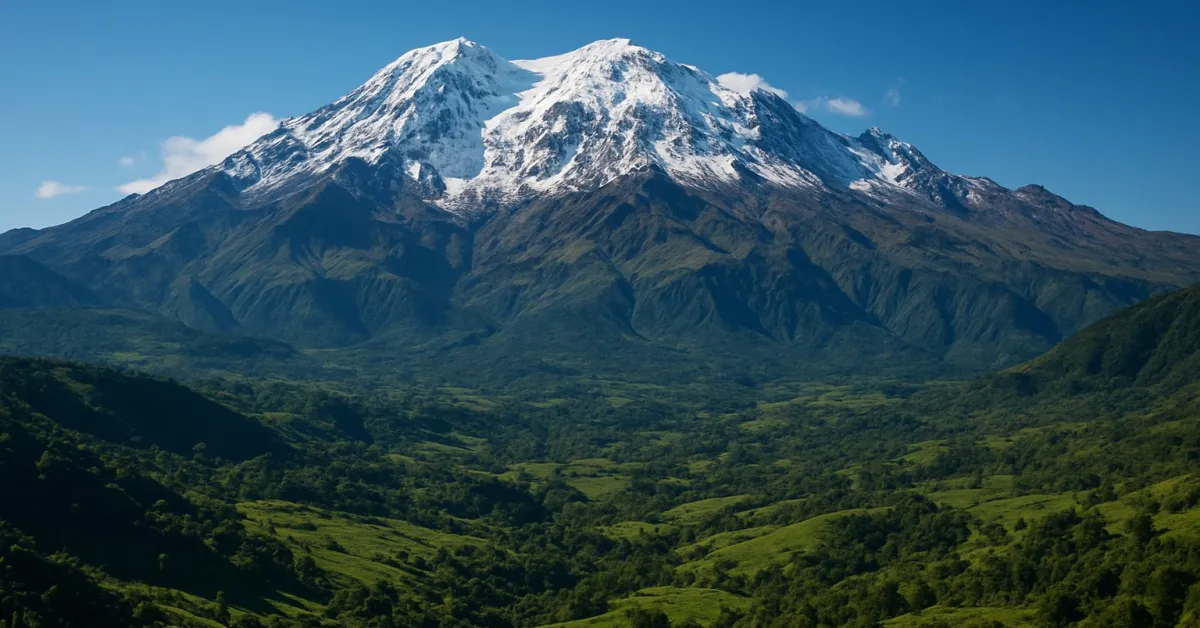
East Africa's iconic equatorial glaciers, which crown the summits of some of the region's most prominent mountain peaks, are facing the threat of complete extinction within the next three to five years. This alarming prediction comes as new climate assessments reveal the accelerating effects of global warming on these natural wonders, situated across Kenya, Uganda, and Tanzania. The glaciers, once considered perennial ice caps, have been steadily retreating, a process expedited by rising global temperatures and regional climatic shifts.
Mount Kenya, Mount Kilimanjaro, and the Rwenzori Mountains, known for their snow-capped peaks, are among the most affected. These mountains are not just geographical landmarks but also hold cultural and environmental significance within the region. The disappearance of their glaciers would not only be a loss to the natural beauty of East Africa but could also have profound effects on local water cycles and biodiversity. The glaciers have historically contributed to river flows that support agriculture and human consumption in surrounding areas.
The Intergovernmental Panel on Climate Change (IPCC) has consistently highlighted the vulnerability of equatorial glaciers to climate change, noting that the glaciers in East Africa are among the most susceptible to rapid melting. The report suggests that without significant reductions in global carbon emissions, the region will continue to experience exacerbated climate impacts. Additionally, the loss of these glaciers is indicative of broader environmental challenges faced by developing nations, where resources and infrastructure for climate adaptation are often limited.
As the glaciers shrink, the implications for biodiversity are significant. These high-altitude ecosystems support unique flora and fauna, some of which are endemic to the region. The loss of glacial meltwater could disrupt these ecosystems, leading to potential species extinction and altered habitats. This would further impact local communities who rely on these ecosystems for their livelihoods, particularly in agriculture and tourism sectors.
Efforts to mitigate the impact of this environmental crisis involve both regional and global initiatives. Conservation projects aimed at preserving the unique biodiversity of the mountain regions are underway, though their success is closely tied to broader global climate policies. The situation underscores the urgent need for international cooperation in combating climate change and supporting adaptation strategies in vulnerable regions.
The predicted disappearance of East Africa's glaciers serves as a stark reminder of the immediacy of climate change impacts, highlighting the need for accelerated action not only within the region but globally. As the projections stand, the world could witness the loss of these iconic natural formations sooner rather than later, calling for a collective response to safeguard what remains of the planet's glacial landscapes.
















Add new comment