


Ruto, Gachagua and Maraga Step Up Battle for Diaspora Vote Ahead of 2027
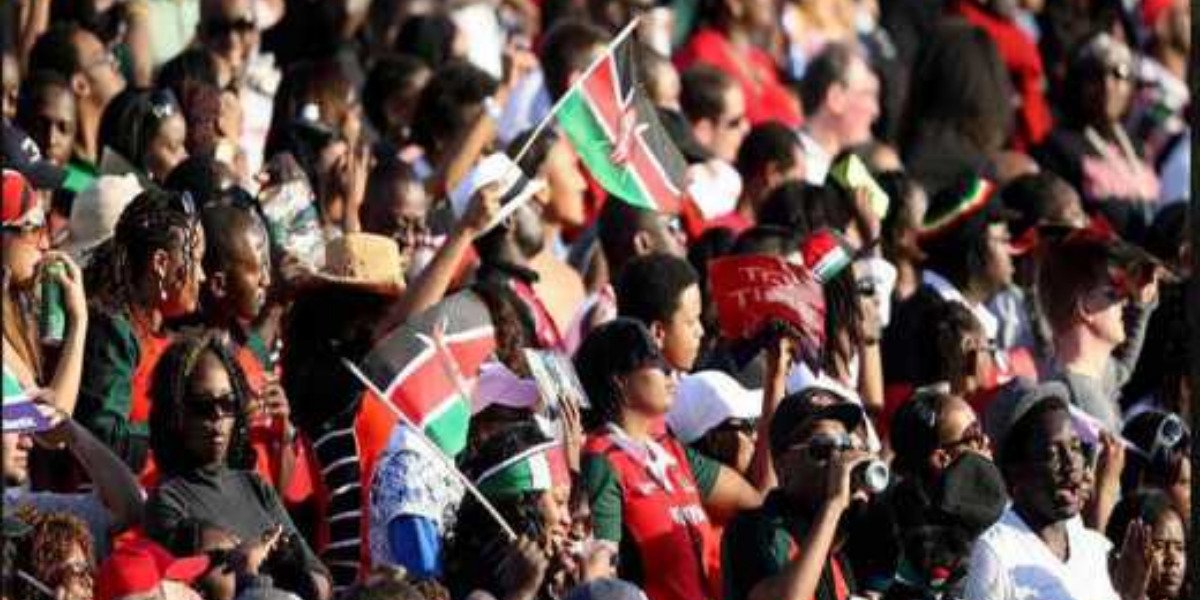
Kenya’s presidential hopefuls are stepping up efforts to win support from citizens living abroad, making the diaspora vote an increasingly important factor in the 2027 General Election.
President William Ruto, former Deputy President Rigathi Gachagua and former Chief Justice David Maraga are taking different approaches as they seek to appeal to Kenyans overseas. When Ruto took office in 2022, he described Kenyans living abroad as the country’s “48th County”, signalling a stronger focus on their role in national affairs. Since then, the diaspora has become an increasingly important political constituency, alongside its long-standing economic role through remittances.
The growing focus on overseas voters has followed efforts to expand voter registration and polling arrangements outside Kenya. As more countries become part of the electoral process, presidential campaigns are paying greater attention to Kenyan communities in North America, Europe and other regions.
Political activity that was once largely focused on rallies and town hall meetings in Kenya is now extending to cities including London, Minneapolis, Atlanta and Boston. Presidential candidates are seeking to address the concerns of voters who remain closely connected to Kenya despite living abroad.
For Ruto, the task is to defend his administration’s record while convincing diaspora voters that its economic and institutional reforms will deliver greater stability. His administration has highlighted digital government services, online platforms and other measures intended to make it easier for citizens abroad to access public services, invest in Kenya and participate in national affairs.
The government’s message is largely based on continuity. Its supporters argue that reforms have created the foundation for a stronger relationship between the state and Kenyans overseas. They point to improved access to government services and measures designed to increase diaspora participation in governance.
The approach, however, faces criticism from some diaspora communities over economic conditions in Kenya. Taxation, the cost of living and financial pressures affecting families and businesses at home remain among the issues raised during engagements with government representatives.
Gachagua has sought to capitalise on those concerns since leaving government and forming the Democracy for Citizens Party. His approach places greater emphasis on political representation and citizen participation than on the government’s reform agenda.
His campaign argues that Kenyans abroad should have a stronger role in national decision-making. Proposals for greater diaspora representation and stronger protection of their electoral rights form an important part of his appeal.
Gachagua’s approach also faces questions over how his political message would translate into a broader governing programme. Professionals and investors abroad are likely to assess not only his proposals on representation but also his plans for addressing Kenya’s economic and structural challenges.
Maraga is offering a different platform, centred on ethics, accountability and institutional reform. The former Chief Justice is seeking to turn concerns about governance into support for a broader reform agenda.
His campaign presents the election as an opportunity to rebuild confidence in public institutions and address corruption and concerns over the management of public finances. His message focuses on the rule of law, transparent governance and institutional credibility rather than political representation or continuity.
That position has appealed to some diaspora professionals who are dissatisfied with politics centred on individual leaders and ethnic alliances. However, converting support for Maraga’s record and reputation into a nationwide electoral campaign remains a challenge. Presidential elections require extensive grassroots organisation and mobilisation, areas where established political parties and candidates have a significant advantage.
The growing competition for diaspora votes reflects a wider change in Kenya’s political landscape. Kenyans living abroad are increasingly being treated as voters with political interests rather than simply as sources of foreign currency.
Their concerns are also influencing campaign strategies, requiring presidential
candidates to address issues that affect citizens beyond Kenya’s borders. With the 2027 election approaching, the diaspora contest is increasingly presenting three different political messages.
Ruto is asking voters to support continuity and allow his reforms more time to take effect. Gachagua is seeking support as a challenger who promises greater political inclusion. Maraga is offering an alternative focused on institutional reform, accountability and the rule of law.






Comments
No comments yet — be the first.