
Escalation in Middle East: U.S. and Israel Intensify Strikes on Iran
The United States, under the leadership of President Donald Trump, has intensified military actions against Iran, marking the second consecutive day of strikes as tensions heighten in the Middle East. The conflict, initiated by the United States and its ally Israel, reignited four months ago with significant geopolitical implications. President Trump, addressing the press, expressed frustration over what he termed Iran's "delays" in negotiating a resolution. "We cannot wait indefinitely," he stated, emphasizing the urgency of the situation.
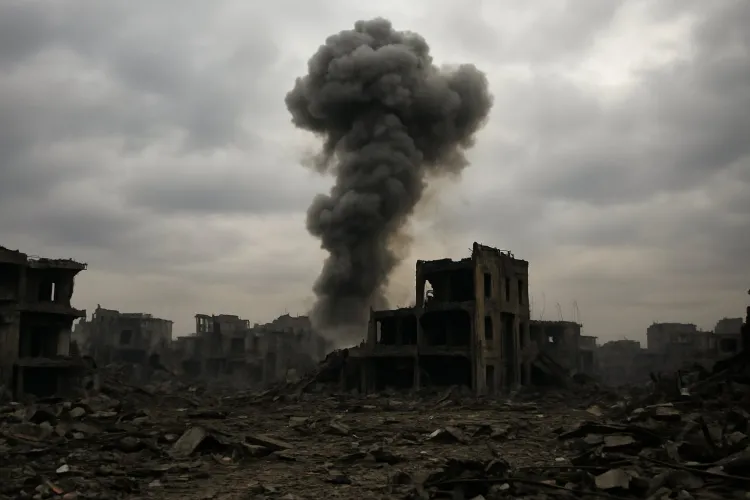
These developments come amid a broader landscape of regional instability, with Iran's strategic maneuvers and the growing assertiveness of U.S.-Israeli military cooperation drawing international attention. According to official data, the conflict has contributed to a marked increase in regional military activity, with thousands of troops and significant aerial support deployed. U.S. Secretary of State Marco Rubio reinforced the administration's stance, declaring that "all necessary measures will be taken to protect our interests and allies in the region." The ongoing military operations have already resulted in substantial infrastructural damage across key Iranian sites.
The conflict's escalation has also raised alarms among global powers and international organizations, with many urging for a diplomatic resolution to avoid further destabilization. The United Nations has called for restraint, stressing the importance of dialogue over military confrontation. As Iran responds to the strikes, its leaders have vowed to defend their sovereignty, further complicating the prospects for peace. "Our people will resist any form of aggression," an Iranian official was quoted as saying, without elaborating on specific retaliatory measures.
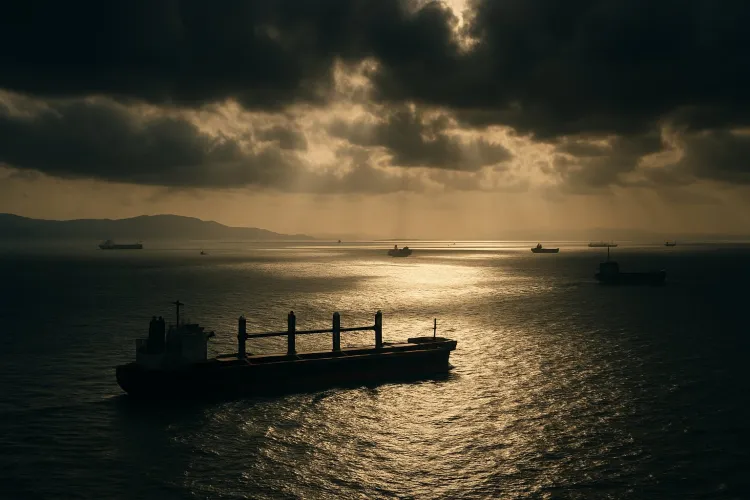
The ramifications of this conflict are significant, not only for the Middle East but also for broader global markets and diplomatic relations. Oil prices have seen fluctuations as traders anticipate potential disruptions in supply from one of the world's key oil-producing regions. Analysts warn that prolonged conflict could strain international partnerships and impact global economic stability. Furthermore, the situation poses critical challenges to African and developing nations, which often rely on Middle Eastern oil imports and could face economic repercussions from any sustained instability.
As the international community watches closely, the question remains whether diplomatic channels can be re-established to de-escalate the situation. The stakes are high, and the outcomes uncertain, making this a pivotal moment for regional and global geopolitics. The coming weeks will likely be crucial in determining whether the path of military confrontation or diplomatic engagement will prevail.




Comments
No comments yet — be the first.