
EU Maintains Sanctions on Iran Amid Nuclear Deal Impasse
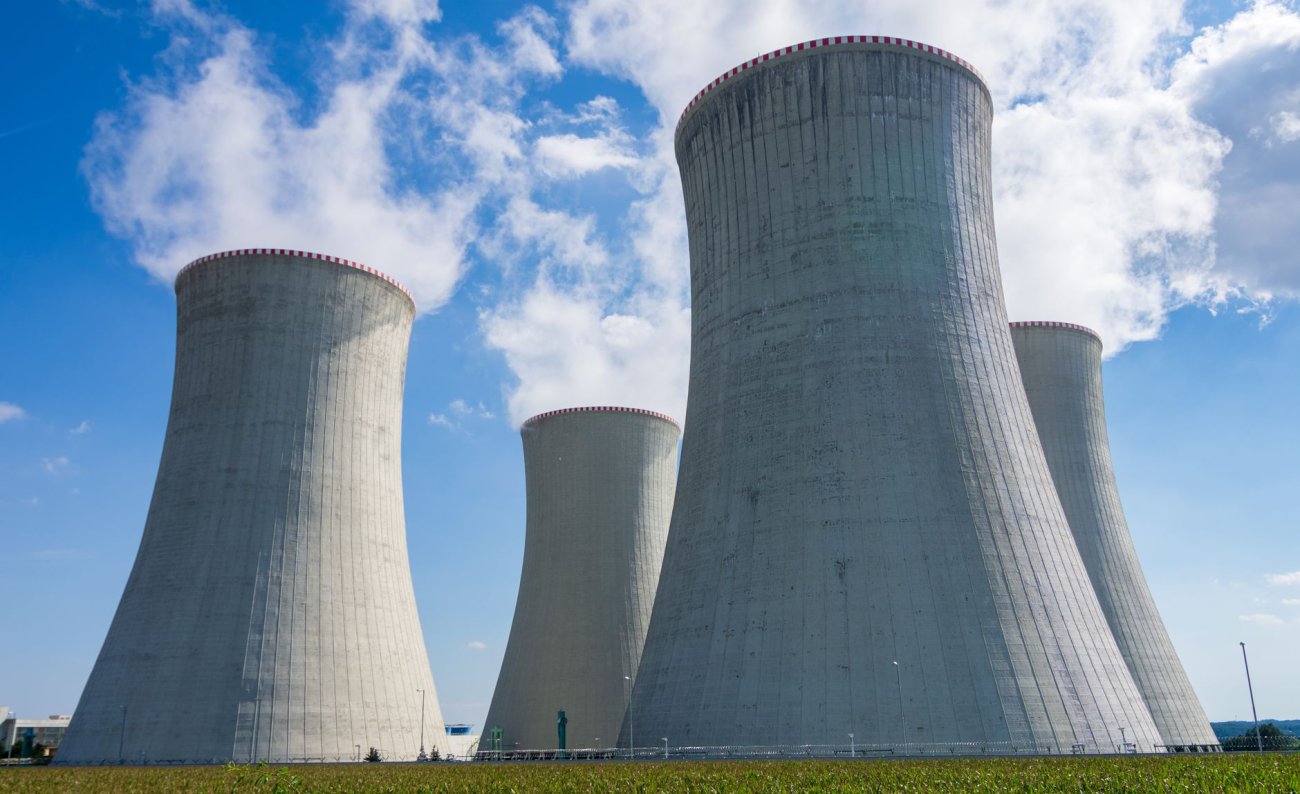
The European Union has declared that it will maintain its sanctions on Iran until a formal nuclear agreement is reached, highlighting the ongoing complexity in negotiations over Tehran's nuclear program. This decision continues to exert pressure on Iran's economy, affecting its ability to engage in international trade and finance. EU foreign policy chief Josep Borrell emphasized the importance of a comprehensive and verifiable agreement, stating, "Our position remains clear: any easing of sanctions is contingent upon Iran's full compliance with its nuclear commitments." This stance underscores the EU's commitment to non-proliferation and regional stability, amidst concerns over Iran's nuclear ambitions.
Negotiations have been ongoing since the collapse of the Joint Comprehensive Plan of Action (JCPOA) following the United States' withdrawal from the accord in 2018 under former President Donald Trump. The EU's insistence on maintaining sanctions until a satisfactory deal is reached reflects its cautious approach in ensuring Iran does not develop nuclear weapons. "We are working closely with our international partners to find a diplomatic solution that ensures regional peace and security," Borrell added, reinforcing the EU's dedication to multilateral diplomacy.
The impact of sustained sanctions is profound, with Iran experiencing significant economic constraints. According to the International Monetary Fund, Iran's economy contracted by 6% in the years following the U.S. withdrawal from the JCPOA, and inflation rates have soared, severely affecting the Iranian population. The EU's decision to keep sanctions in place will likely continue to limit Iran's oil exports, a critical source of revenue for the country.
Iranian officials have expressed frustration over the protracted negotiations and the ongoing sanctions. Iran's Foreign Minister has argued that the sanctions are unjust and hamper the country's economic development. He stressed, "We have complied with the nuclear watchdog's requirements, and it's time for the international community to fulfill their obligations." However, the EU remains firm, seeking concrete assurances and monitoring mechanisms to ensure compliance with any future agreement.
Globally, the situation has implications for energy markets, with oil prices remaining volatile due to uncertainties regarding Iranian oil supplies. Analysts predict that a breakthrough in negotiations could lead to increased oil flows from Iran, potentially stabilizing market prices. Conversely, continued sanctions could exacerbate existing tensions in global energy supplies, affecting prices worldwide.
The EU's decision resonates beyond Europe and Iran, as many developing nations look to the outcome of these negotiations. Countries in Africa, for instance, are monitoring the situation closely, given that changes in global oil supply can impact energy costs and economic stability. As negotiations continue, the international community watches for signs of progress that could pave the way for a new era in Iran's relations with the West.
The EU's commitment to a diplomatic solution remains steadfast, with Borrell affirming, "We will continue our efforts to reach a comprehensive agreement that addresses all concerns and promotes trust and cooperation." As talks persist, the world anticipates whether a resolution will be achieved, allowing for the lifting of sanctions and a new chapter in EU-Iran relations.




Comments
No comments yet — be the first.