
What Trump’s New Immigration Policy Means for Kenyans Seeking US Green Cards
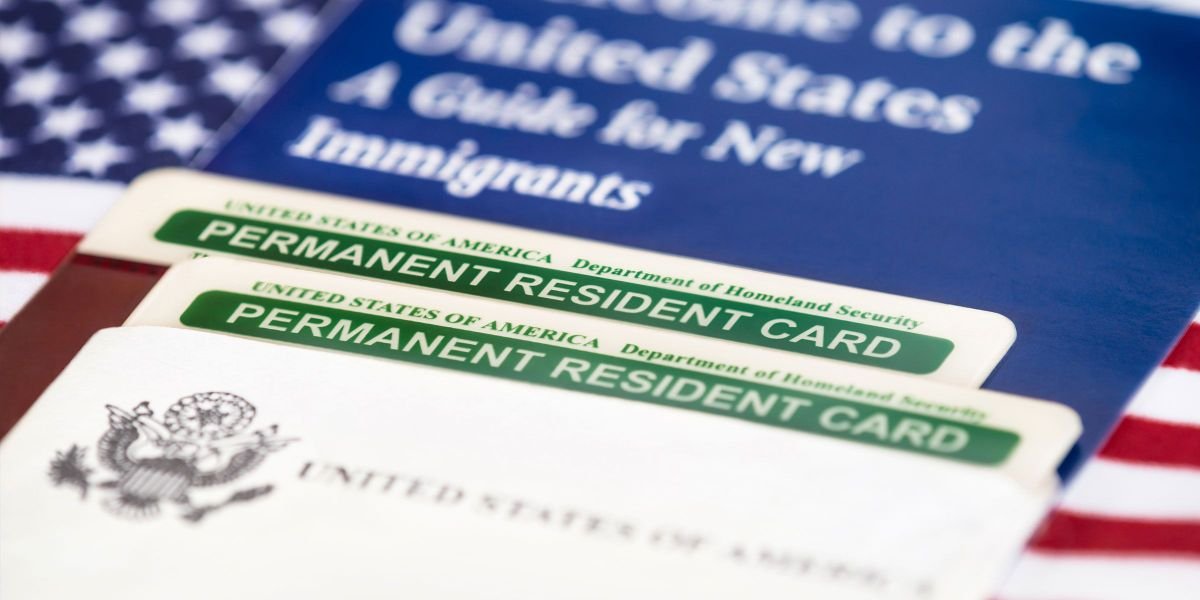
The US Citizenship and Immigration Services (USCIS) has introduced changes to how non-immigrants apply for adjustment of status to permanent residency, requiring most applicants to seek consular processing outside the United States.
Under the revised approach, individuals on temporary visas will generally no longer be able to apply for permanent residency while remaining in the US. Instead, they are expected to return to their countries of origin and complete the process through US embassies abroad.
USCIS has described adjustment of status as a discretionary form of relief, giving immigration officers greater authority to decide whether applicants may pursue it domestically. In most cases, in-country applications will only be considered in limited humanitarian circumstances.
Previously, students, temporary workers and visitors who met eligibility criteria could apply for adjustment of status without leaving the US. The updated guidance reflects concerns from officials that the system had been used beyond its intended purpose, with some temporary visas serving as a pathway to permanent residency.
Immigration officers will now assess applications on a case-by-case basis, taking into account factors such as immigration history, family connections and personal conduct. Cases involving unauthorised employment or visa overstays may face a higher risk of refusal. Refugees and asylum seekers are expected to remain exempt from the revised rules.
The changes are likely to affect a large number of pending applications, estimated at around one million. Affected applicants, including many Kenyan nationals, may face the prospect of separation from families and employment disruption while completing the process through consular posts abroad.
Certain categories, such as holders of visas with dual intent like the H-1B, may still be eligible to adjust status within the US, though most other applicants will be directed to consular processing. Immigration lawyers have advised that applicants may need more extensive legal preparation to meet the stricter requirements and navigate the revised procedures.
The changes are also expected to place additional pressure on US embassies handling visa processing overseas.






Comments
No comments yet — be the first.