


Ruto Signals Kenya Will Host EU Election Observers for August 2027 Vote

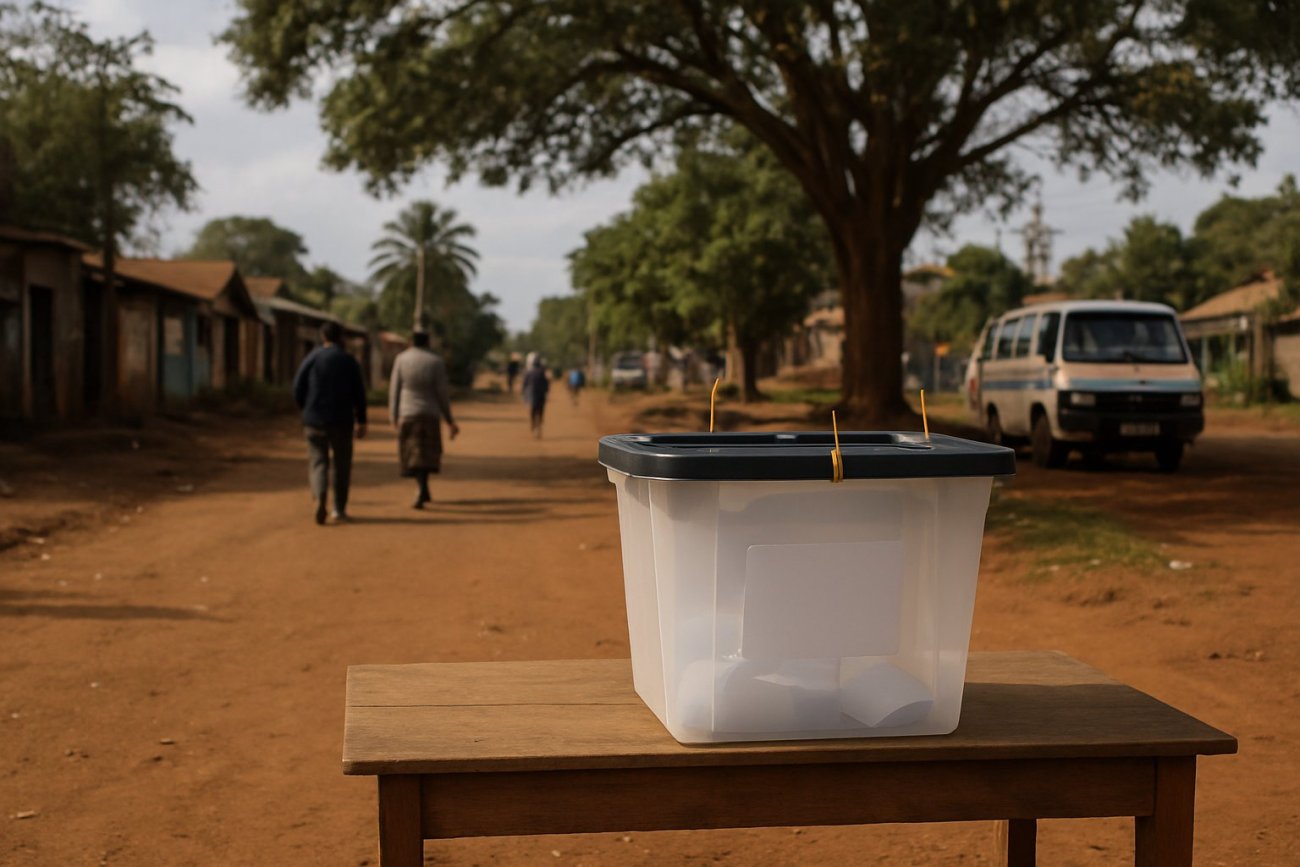
President William Ruto has signalled that Kenya is willing to host European Union election observers during the August 2027 General Election, according to a report from Nairobi, as pressure mounts for credible and transparent elections in the East African nation.
The European Union has been a recurring presence in Kenyan polling stations over the past two decades, deploying election observation missions for the general elections of 2002, 2007, 2013, 2017 and 2022. Its most recent mission monitored the August 9, 2022 vote, in which the electoral commission declared Ruto the winner with 7.18 million votes, or 50.49 percent, against 6.94 million votes, or 48.85 percent, for his main rival, Raila Odinga.
Odinga challenged that outcome at the Supreme Court, and a seven-judge bench unanimously upheld Ruto's victory in September 2022, dismissing claims of irregularities in the transmission of results. The ruling closed one of Kenya's more orderly electoral cycles, a contrast with earlier contests that ended in crisis and redrew the country's institutions.
Kenyans courts themselves annulled a presidential election in 2017, the first such ruling by an African apex court, voiding the August 8, 2017 vote over procedural failures and forcing a re-run that October, from which Odinga withdrew. A decade earlier, the disputed 2007 presidential election triggered violence that killed about 1,100 people and displaced roughly 600,000, a history that continues to drive demands for independent scrutiny of every Kenyan ballot.
European Union observation follows a set procedure. Deployment begins with a formal invitation from the host government, after which the bloc assesses whether to send a mission. Long-term observers typically deploy weeks before polling day to follow the campaign, media coverage and administrative preparations, and short-term observers arrive for election day itself, monitoring opening, voting, counting and the tabulation of results. The mission then issues a preliminary statement, followed months later by a final report with recommendations.
The August 2027 date follows the timetable fixed by Kenya's 2010 Constitution, which schedules general elections for the second Tuesday of August every fifth year. Ruto, who won his first term in 2022, is eligible under the constitution's two-term limit to seek a second and final term.
Domestic preparations for the vote are already under scrutiny. The Independent Electoral and Boundaries Commission, the body that runs Kenyan elections and accredits observers, spent more than two years without commissioners after the previous panel's terms expired in January 2023, a vacancy that stalled key preparatory work until a new commission was sworn in during 2025. Its handling of voter registration and the acquisition of results transmission technology is expected to be among the areas any observer mission examines.
What comes next is the formalisation of an invitation. European Union observation depends on a request from the host state, and the bloc then decides whether to dispatch an exploratory team, a process that in past Kenyan cycles unfolded roughly a year before polling day. The final report issued after the 2022 mission pressed for reforms in areas including campaign financing and the transparency of the results transmission system, recommendations that typically shape the checklist observers apply in the following election.






Comments
No comments yet — be the first.