


Kenya's Supreme Court to Weigh Fresh Constitutional Challenge to 1.5 Per Cent Housing Levy

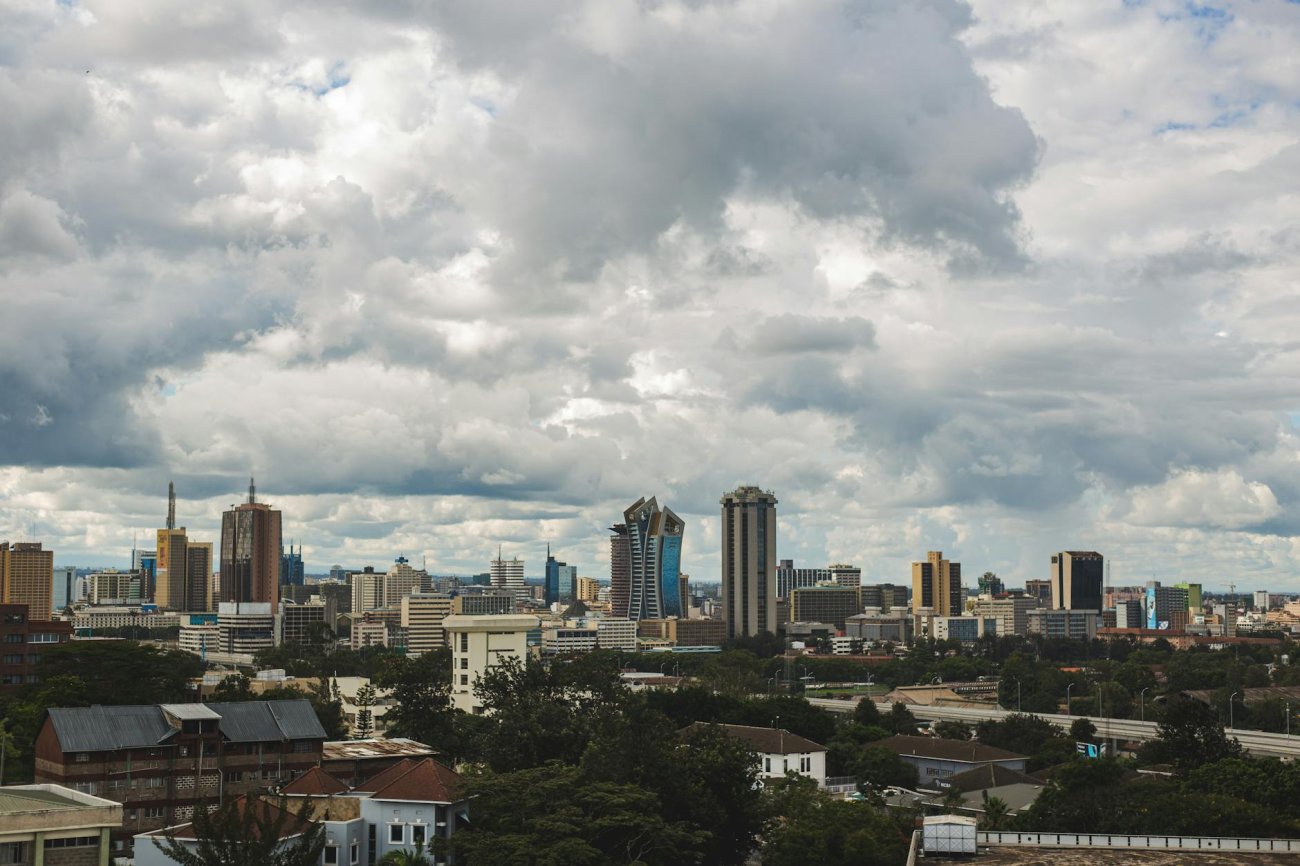
Kenyans' pay slips are heading back to the country's highest court, after a fresh challenge to the constitutionality of the 1.5 per cent housing levy that finances the government's affordable housing programme was lodged at the Supreme Court, reopening a legal battle over the payroll charge after the Court of Appeal upheld the tax.
The case, filed at the Supreme Court in Nairobi, returns the levy to the centre of a constitutional debate over how the state raises money for one of the signature domestic programmes of President William Ruto's administration, and it does so after more than two years of continuous monthly deductions from workers' pay.
Under the Affordable Housing Act, 2024, salaried employees contribute 1.5 per cent of their gross monthly pay, and employers are required to match each deduction with an equal 1.5 per cent, with the Kenya Revenue Authority collecting the money for the Affordable Housing Board. The legislation also extends the charge beyond formal salaries to certain categories of non-salaried income. The government has anchored the programme in its Bottom-Up Economic Transformation Agenda, with a stated target of delivering 250,000 housing units a year against a national housing deficit that the State Department for Housing has put at more than two million units.
The litigation began after the Finance Act, 2023 first introduced the levy through an amendment to the Employment Act. In November 2023, the High Court in Nairobi declared that first version unconstitutional, finding it discriminatory because it applied only to formal-sector employees while sparing informal earners. The State appealed, and deductions continued while the appeal was pending.
Parliament responded in March 2024 by passing the Affordable Housing Act, which re-enacted the charge in standalone legislation and broadened its design beyond the formal payroll. Challengers returned to court, and the Court of Appeal ultimately upheld the tax, rejecting the discrimination reasoning that had persuaded the High Court. The fresh challenge now before the Supreme Court takes aim at that appellate outcome.
The Supreme Court's determination will be final. A ruling that sustains the Act secures the funding stream for housing projects already under construction in Nairobi, Mombasa and other counties. A nullification would raise unresolved questions about the fate of the money already deducted from millions of workers and employers, and whether refund claims could follow, an issue the lower courts never fully settled during the earlier rounds of litigation.
Procedurally, appeals reach the Supreme Court either as of right where they turn on the interpretation or application of the Constitution, or after certification that a question of general public importance is involved. The constitutionality of a dedicated payroll charge financing a public housing fund sits squarely within that territory, and both sides of the dispute have treated it as a test case for earmarked taxation in Kenya.
The outcome will also be followed elsewhere on the continent, where a number of African governments finance housing and infrastructure through levies earmarked for specific funds rather than through general taxation, and where shortfalls in formal housing are counted in the millions of units.
What to watch next is the exchange of written submissions and the setting of a hearing date before the Supreme Court bench in Nairobi, whether the challengers will ask for orders suspending further deductions while the case is pending, and how the court treats the discrimination argument that sank the original levy in 2023. In the meantime, the levy remains in force, employers continue to remit the matching contributions, and construction under the affordable housing programme proceeds while the justices deliberate.





Comments
No comments yet — be the first.