


Kenya Discharges Last Ebola Patient, Starting 42-Day Countdown to Ebola-Free Status

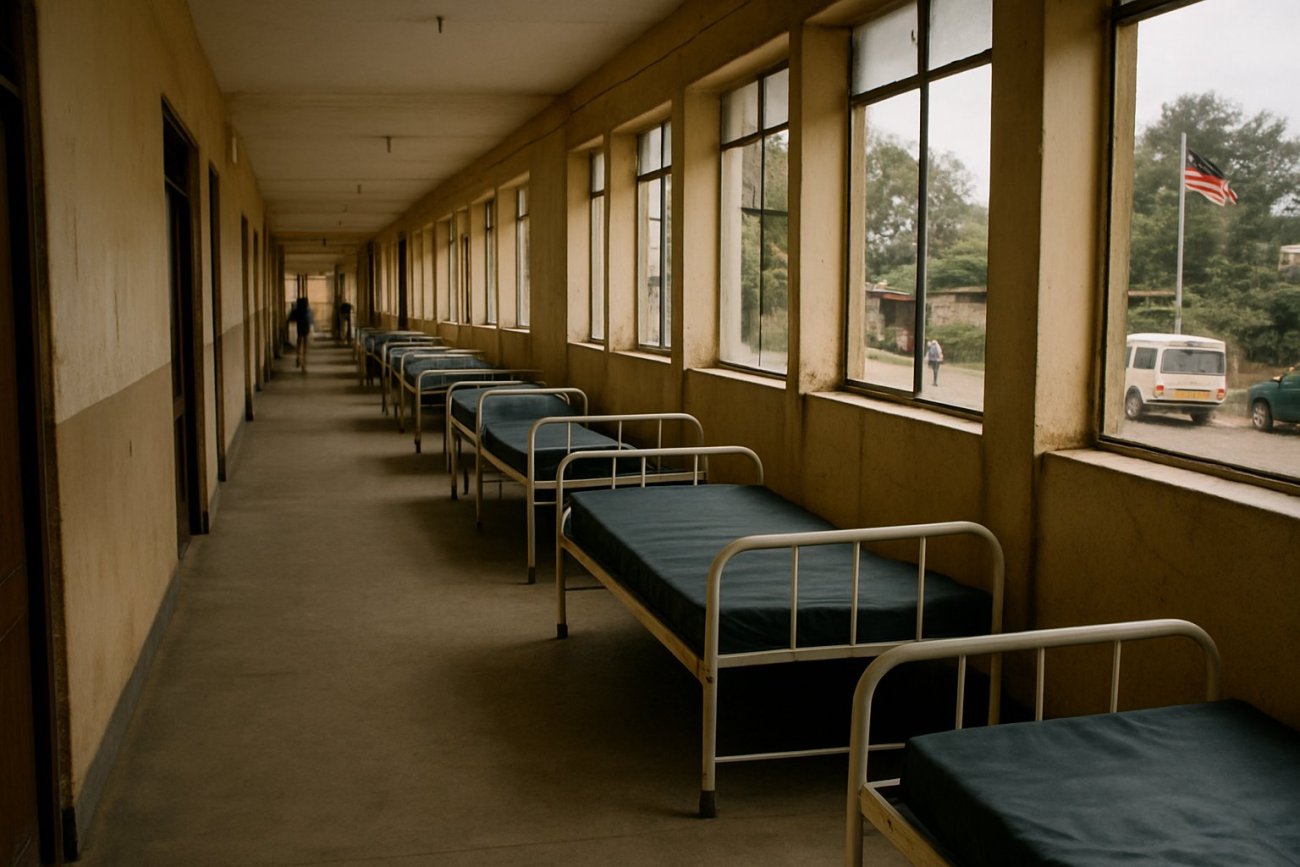
Kenya has discharged its last Ebola patient, launching a 42-day countdown that will end with the country being declared Ebola-free if no new cases are recorded during that window. The milestone, reported on November 11, 2026, leaves Kenya with no known patients under treatment for the virus and moves the country into the final surveillance phase required before an outbreak can formally be closed.
The countdown follows the World Health Organization benchmark for ending an Ebola outbreak: 42 consecutive days without a new confirmed case, a period equal to two maximum incubation cycles of the virus, each of which can run up to 21 days from the time of exposure. On a clock started November 11, that threshold would fall on or about December 23, 2026, positioning Kenya for an Ebola-free declaration before the end of the year.
Kenya's cases belong to a wider regional emergency traced to Congo, which has served as the epicentre from which the imported infections travelled. The New York Times, reporting the milestone, described it as further evidence that African countries have mostly succeeded in preventing community transmission, limiting the outbreak to a small number of cases brought in from Congo that were rapidly identified and isolated.
Ebola virus disease is a severe haemorrhagic fever spread person to person through direct contact with the blood, secretions or other bodily fluids of infected people, and with the bodies of those who have died of the disease. Illness typically begins with fever, fatigue and muscle pain and can progress to vomiting, diarrhoea and internal and external bleeding. Outbreaks have historically killed between roughly 25 percent and 90 percent of those infected, depending on the virus strain and the standard of care available, which is why the release of a final patient is treated as a national milestone rather than a routine medical discharge.
The methods behind the result now on display in Kenya — rapid case detection, isolation of patients, tracing and monitoring of contacts, and safe and dignified burial of the dead — are the same measures that ended the 2014-2016 epidemic in West Africa, the largest ever recorded, which sickened more than 28,000 people and killed more than 11,000 across Guinea, Liberia and Sierra Leone. The second-largest outbreak, in eastern Congo between 2018 and 2020, produced roughly 3,500 cases and some 2,300 deaths. Responses today are also supported by licensed vaccines and monoclonal antibody treatments that did not exist during the West African epidemic.
The test for Kenya now lies in the six weeks ahead. A single new confirmed case before late December would restart the 42-day count and delay any declaration, and the route the virus took into the country — travel out of Congo — remains the principal corridor of risk. What to watch is whether the pattern identified by the New York Times holds: imported infections from Congo caught and isolated before they can seed wider transmission, allowing African countries to close out their outbreaks one by one.






Comments
No comments yet — be the first.