


Ruto Pledges to Hand Over Power to Young Leaders in 2032 in Courtship of Gen Z

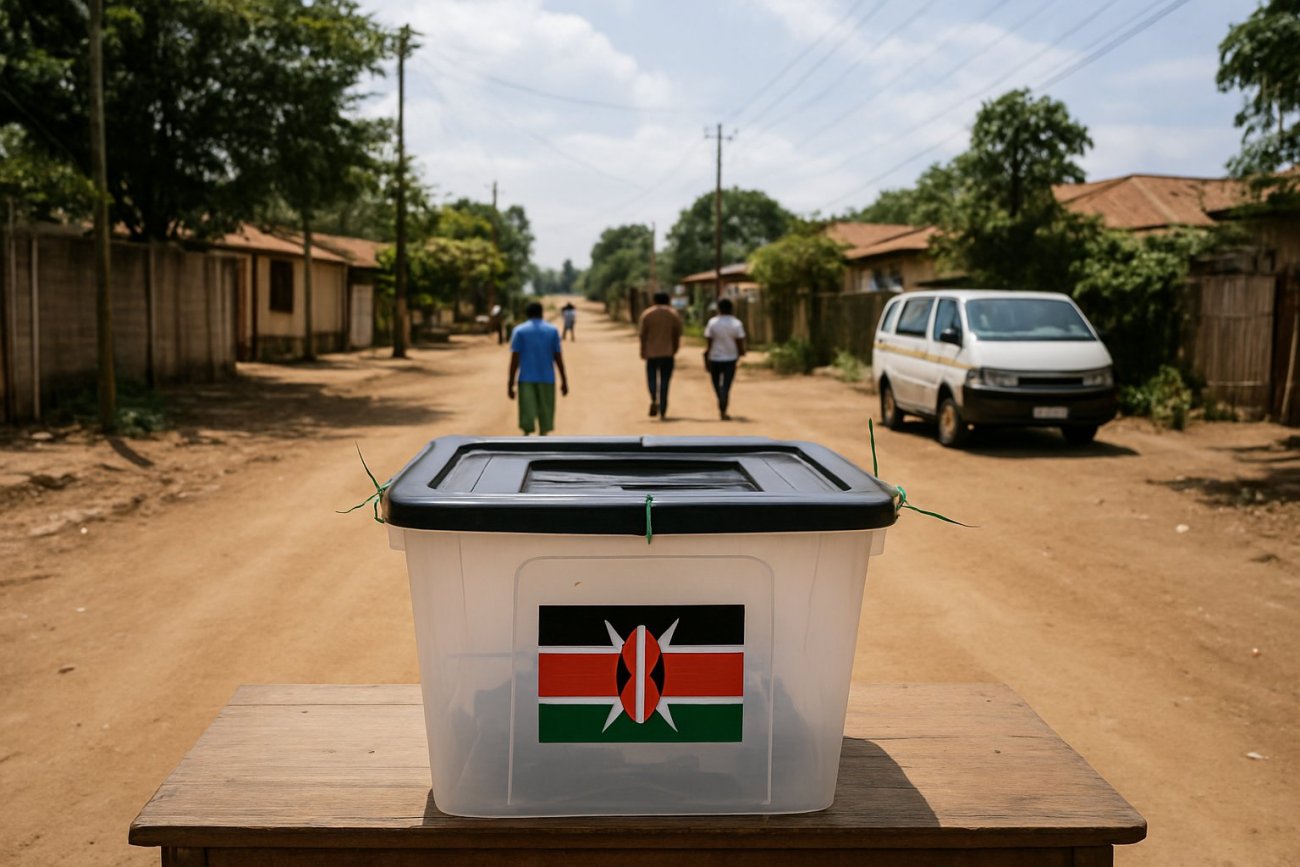
President William Ruto has pledged to hand over power to young leaders in 2032, in a move aimed at winning over Kenya's Gen Z as debate over the role of young people in national politics continues to dominate public discourse in the country.
The commitment, reported by the Daily Nation, points to the end of what would be the president's second term as the moment he would pass the country's leadership to a younger generation. Ruto has led Kenya since September 2022, when he was sworn in after winning the August 2022 presidential election.
Kenya's Constitution limits a president to two five-year terms. Ruto is currently serving his first term, which runs to the next general election due in August 2027. A handover in 2032 would therefore require him to win re-election in 2027 and serve a full second term, after which the law bars him from contesting the presidency again.
The pledge places the president at the centre of a national conversation about youth and politics that has shaped Kenyan public life since 2024, when members of Gen Z, the cohort of Kenyans born from the mid-1990s onwards, organised countrywide protests against the Finance Bill of that year.
The demonstrations, coordinated largely through the social media platforms X and TikTok, brought young people onto the streets of Nairobi and other towns across the country. The bill had proposed a wide range of new taxes, including measures that would have raised the cost of basic goods. Ruto responded by withdrawing his support for the Finance Bill 2024 and declining to sign it into law, and he later dismissed most of his Cabinet, appointing a reconstituted team that included senior figures from the opposition.
The protests were notable for cutting across the ethnic and regional lines that have traditionally organised Kenyan politics, and young people have remained an organised voice in national affairs since, using social media to question taxation, public borrowing and government spending.
Ruto has sought to engage the demographic directly, taking part in live online question-and-answer sessions with young Kenyans in which he fielded questions on his administration's record. His 2022 campaign was built around the bottom-up economic model and direct appeals to young people and low-income earners, and his administration has since rolled out credit programmes targeting small traders and the youth, including the Hustler Fund.
The president's courtship of Gen Z also comes against the backdrop of Kenya's demographics. The country has one of the youngest populations in the world, with the majority of its citizens under the age of 35, and young voters make up a large share of the national register of voters.
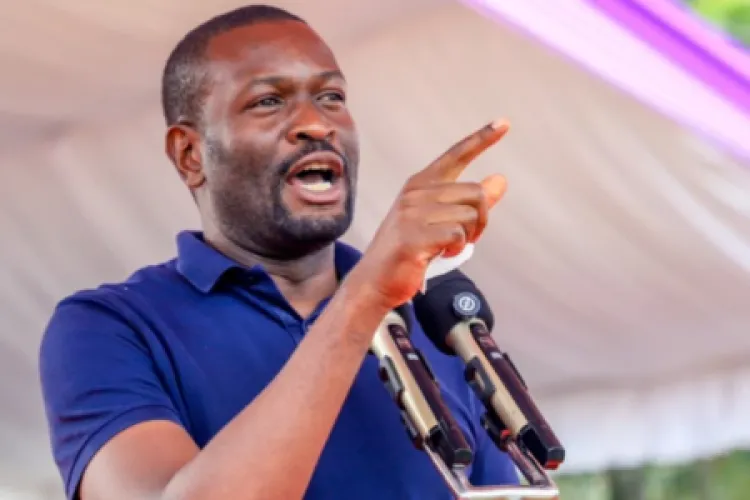
Ruto's pledge arrives in an increasingly competitive political season ahead of the 2027 general election. A recent survey by the research firm TIFA showed the president tied with Nairobi Senator Edwin Sifuna in presidential popularity, with neither politician holding an outright lead. The findings were reported by the Daily Nation.
Sifuna, who also serves as secretary-general of the Orange Democratic Movement, has been a vocal critic of the cooperation between his party and the Ruto administration.
Discussion of generational transition has grown louder in Kenyan politics since the 2024 protests, with young people running online civic education campaigns, calling for greater accountability in the management of public resources and urging their peers to register as voters ahead of the next election.
The tie in the TIFA survey places the president in a close race as he positions himself for a second-term bid. School heads have already endorsed his re-election, although the president is set to face a set of demands from the institution leaders following their endorsement, according to the Daily Nation.



Comments
No comments yet — be the first.