


Spoilers on the Ballot: New Analysis Warns Homegrown Rivals Could Decide Kenya's 2027 State House Math

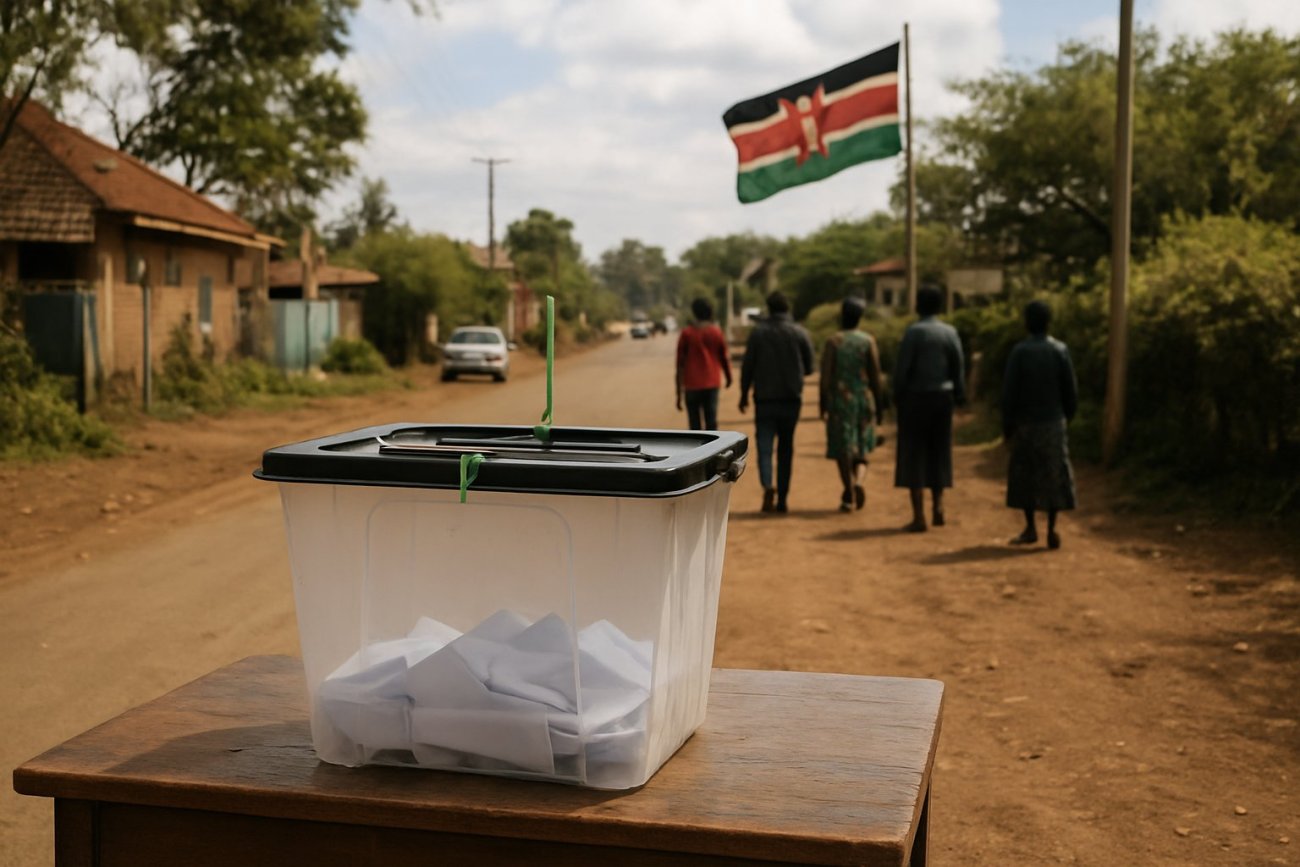
A new Daily Nation analysis examines how so-called "spoilers" could shape Kenya's 2027 presidential race, focusing on homegrown rivals whose own paths to the presidency appear narrow but whose strength in their home regions could upend the contest for State House. The Nairobi-based newspaper published the piece under the headline "Politics of 'spoilers'? How homegrown rivals threaten 2027 State House math," framing its central question around the arithmetic of winning Kenya's highest office.
The analysis centers on the numerical realities built into Kenya's presidential elections. Under the country's constitution, a winning candidate must secure more than half of all votes cast nationally and at least 25 percent of the vote in more than half of Kenya's 47 counties, meaning at least 24 of them. That dual requirement gives every regional bloc weight in the outcome and turns concentrated pockets of support into leverage, even for candidates who cannot win nationally.
In the framing of the analysis, a spoiler is a contender unlikely to finish first but capable of pulling enough votes in a stronghold to push a frontrunner below the winning threshold, either in the national tally or in the county spread. The Daily Nation piece raises the question of whether the 2027 race will turn on such candidates, and whether their entry into the field will reshape the calculations of the leading contenders.
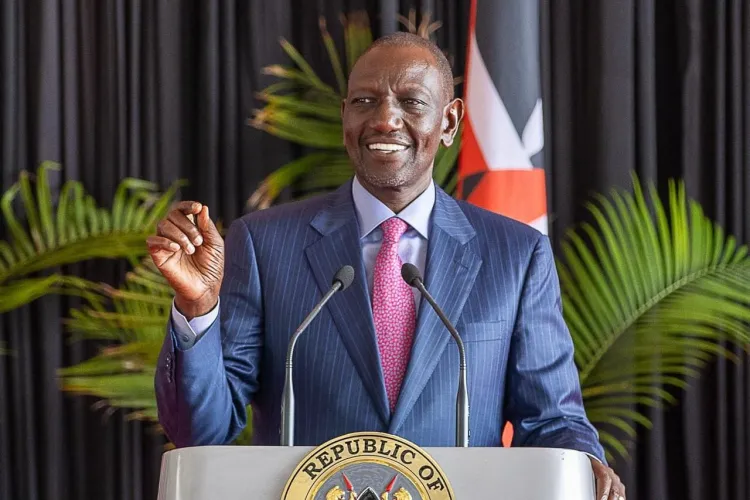
The report lands well ahead of the general election due in 2027, Kenya's first since President William Ruto won the 2022 presidential contest. Ruto currently occupies State House, the Nairobi seat of the presidency that lends its name to the race itself, and the next election will determine the building's next occupant under the country's five-year electoral cycle.
The analysis arrives amid an intensifying stretch of political positioning. The Star newspaper reported a fresh political clash between Ruto and his predecessor, Uhuru Kenyatta, in which Ruto told the former president to "leave porridge politics." The exchange, described by The Star as a new confrontation between the two leaders, is part of the shifting landscape the Daily Nation analysis addresses as politicians jockey for position ahead of the vote.
Separately, The Star reported that a new poll shows Edwin Sifuna's popularity rising while that of his opposition rivals loses ground. The poll figures among the early data points in an opposition lineup still taking shape, a fluidity that feeds directly into the spoiler question at the heart of the Daily Nation piece: which contenders will consolidate support and which will fragment it.
Kenyan presidential contests have historically been fought through coalitions that stitch together regional voting blocs, drawn from areas including Mt Kenya, the Rift Valley, Nyanza, Western, the Coast and Nairobi. Candidates with deep roots in a single bloc have repeatedly featured in crowded presidential fields, and the constitutional thresholds reward any contender who can hold a backyard intact rather than cede it to a rival.
The math also carries a second-round dimension. Where no candidate clears both the majority-vote and county-spread requirements on the first round, the top two finishers face each other again, a provision that makes first-round vote-splitting consequential even when it does not produce an outright upset. A spoiler who drags a frontrunner into a runoff, or whittles a lead below the 50-percent-plus-one bar, can alter the trajectory of the race without finishing near the top.
The Daily Nation analysis poses its spoiler question with the 2027 field still unsettled. No final lineup of presidential contenders has been fixed, and the realignments already visible in recent coverage, from the exchange between Ruto and Uhuru Kenyatta to the movement in opposition poll numbers, form the backdrop against which the newspaper examines how the State House math could ultimately break.




Comments
No comments yet — be the first.