
U.S. and Iran Resume Talks as Lebanon Conflict Poses New Challenges

In a significant diplomatic effort, the United States and Iran have commenced a fresh round of negotiations in Switzerland, aimed at addressing longstanding tensions and ensuring the security of the vital Strait of Hormuz. These discussions, anticipated to be led by U.S. Vice President JD Vance, come at a critical juncture as escalating violence in Lebanon threatens regional stability. The situation in Lebanon, where hostilities have intensified in recent weeks, casts a shadow over the talks, as leaders attempt to navigate multiple geopolitical flashpoints simultaneously.
The negotiations have been in preparation for months, with both sides expressing cautious optimism about the potential to de-escalate tensions that have persisted since the U.S. withdrawal from the Joint Comprehensive Plan of Action (JCPOA) in 2018. Vice President JD Vance, who has been vocal about engaging in diplomacy to stabilize the region, emphasized the urgency of the talks. "These discussions represent a crucial opportunity to foster peace and stability in the Middle East," Vance stated in a recent interview. "Our aim is to work collaboratively with our counterparts to address the challenges we face, including the security of international waterways.”
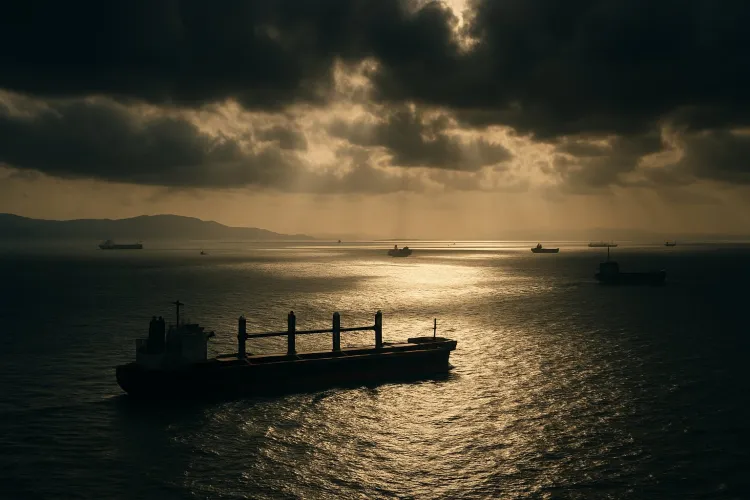
The Strait of Hormuz, a strategic chokepoint through which approximately one-fifth of the world's oil passes, remains a focal point in the negotiations. Iran has previously threatened to close the strait in response to international pressure, a move that could have severe implications for global oil markets and economies, particularly in energy-dependent regions such as Africa. As such, maintaining open and secure passage through the strait is a priority for the U.S. and its allies. Iranian diplomats have also indicated a willingness to engage in dialogue but have stressed the importance of mutual respect and adherence to international agreements.
Iran's Deputy Foreign Minister, who is participating in the talks, expressed a commitment to seeking peaceful solutions. "We are here to listen and to propose ways forward that respect the sovereignty and interests of all nations involved," he said, highlighting Iran's perspective that the U.S. should lift sanctions imposed after the JCPOA exit. The outcome of these negotiations could significantly impact oil prices and trade routes, influencing economic conditions in developing regions heavily reliant on energy imports.
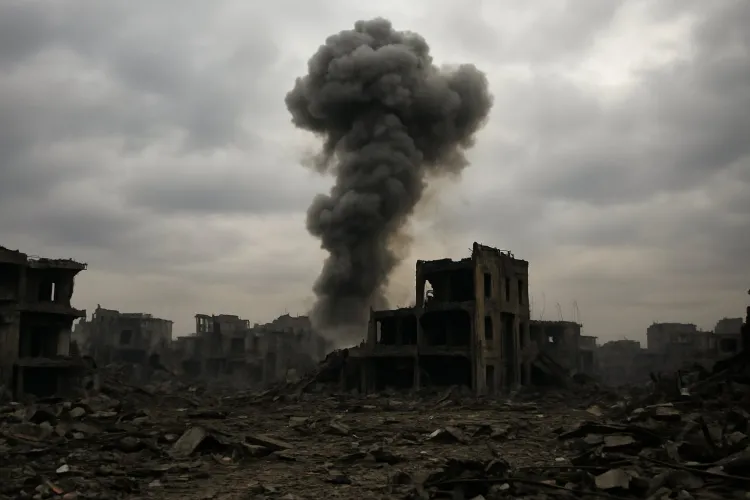
The conflict in Lebanon adds a layer of complexity to the negotiations, with both the U.S. and Iran having vested interests in different factions within the region. The ongoing violence has led to widespread displacement and humanitarian needs, further complicating the path to a comprehensive peace agreement. Observers note that the talks might serve as a platform to address broader Middle Eastern conflicts, although expectations remain cautious given the myriad challenges.
As the negotiations progress, international stakeholders will be closely monitoring any developments, particularly regarding commitments to de-escalate tensions in the Strait of Hormuz and potential agreements on nuclear ambitions. The results of these discussions could pave the way for future diplomatic engagements and influence global economic stability, making it a pivotal moment on the international stage.




Comments
No comments yet — be the first.