
US and Japanese Troops Engage in Strategic Training in Australia's Remote Bushlands
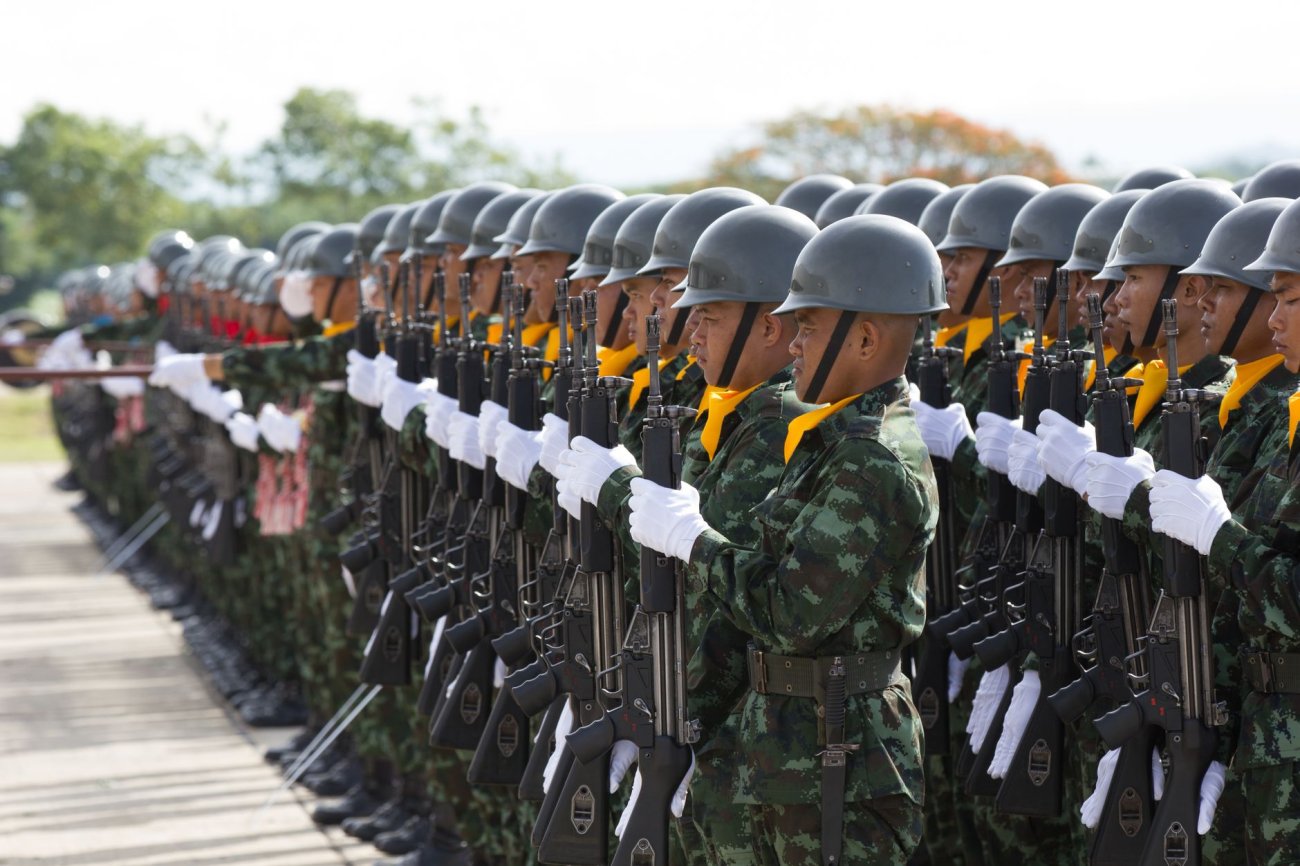
In a significant demonstration of military cooperation, troops from the United States and Japan are conducting extensive joint training exercises in the isolated terrains of northern Australia. This collaboration, taking place far from any immediate conflict zones, reflects a strategic shift in military preparedness that underscores the strengthening of alliances in the Indo-Pacific region. The exercises, part of the biennial Talisman Sabre war games, are designed to enhance interoperability among allied forces amidst growing regional tensions.
United States Secretary of Defense Pete Hegseth emphasized the importance of such exercises in fostering coordination and readiness among allies. "Our presence in Australia is a clear testament to our commitment to peace and stability in the region," Hegseth stated, highlighting the strategic importance of the Indo-Pacific area to U.S. defense policy. The exercises involve over 17,000 personnel, with troops engaging in land, sea, and air operations, emphasizing both traditional combat scenarios and modern warfare tactics.
Japanese Ground Self-Defense Force leaders have reiterated the importance of these joint operations. General Yoshihide Yoshida remarked, "Participation in Talisman Sabre enhances our operational capabilities and strengthens our alliance with both the United States and Australia. These drills are crucial for ensuring regional security." This cooperation marks a continuation of Japan's expanding defense role, particularly in light of increased maritime assertiveness by China in the East and South China Seas.
Australia’s Defense Minister, who oversees the host facilities, noted that the vast and diverse Australian landscape offers unique training environments that are difficult to replicate elsewhere. "Australia's unique environments provide our allies with distinct training opportunities that are crucial for realistic and effective military exercises," he said. This is especially pertinent given the increasing frequency of natural disasters and humanitarian crises in the region, which require coordinated military responses.
The joint exercises have also drawn attention to the broader implications for regional stability, particularly as surrounding nations observe the increased military presence. While the exercises are not directed at any specific threat, they serve as a deterrent amid ongoing maritime disputes and geopolitical tensions. Analysts suggest that these operations could have a ripple effect, with other nations in Asia-Pacific potentially seeking to strengthen their own defense partnerships.
Furthermore, the strategic collaboration between the U.S. and Japan in Australia is likely to influence future military engagements involving other regional partners. With the Indo-Pacific region being a focal point for economic growth and potential conflict, such alliances are critical to ensuring a balance of power and preventing unilateral dominance by any single nation.
As these exercises continue, attention will remain on how they influence diplomatic dynamics within the region and beyond. The implications for Africa and developing nations could manifest through new defense cooperation models or shifts in international security policies, as countries navigate a complex global landscape where military readiness and alliances play an increasingly pivotal role.




Comments
No comments yet — be the first.