


Flat Roofs Push Kenyan Homeowners to Seek Innovative Solutions
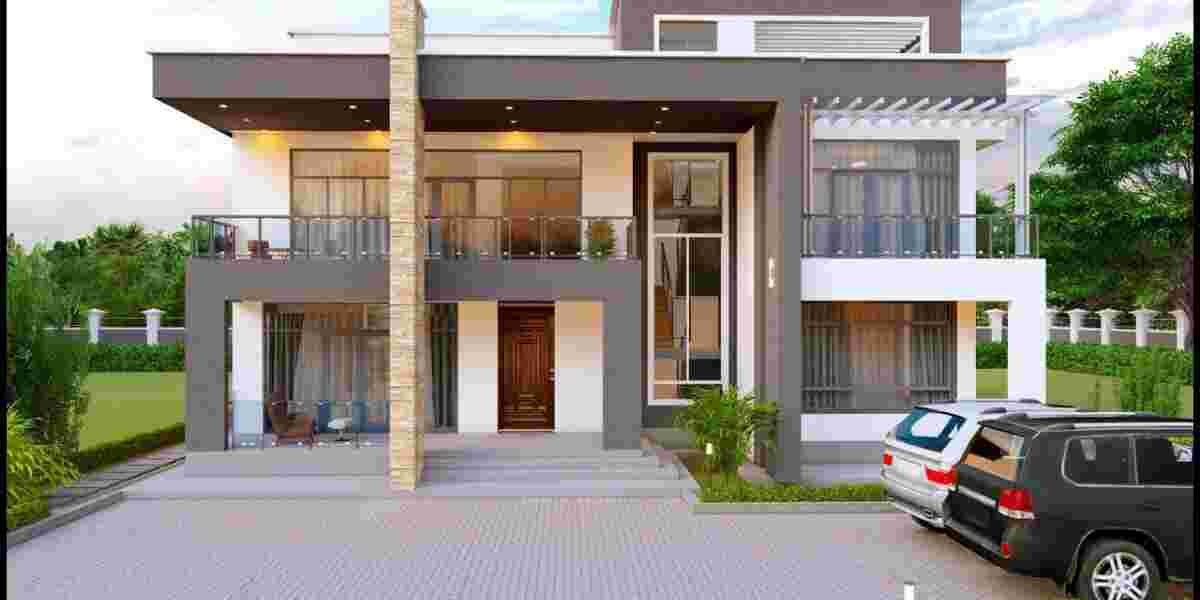
Kenya’s construction sector experienced a notable slowdown in growth during 2023, as reported in the 2024 Economic Survey released by the Kenya National Bureau of Statistics (KNBS).
The sector's growth decelerated to 3%, down from 4.1% in the previous year. However, notable advancements were observed, particularly in housing development and the approval of building permits. Nairobi City County reported a substantial increase in the value of approved building plans, which surged from Sh 162.5 billion in 2022 to Sh 220.0 billion in 2023. Additionally, the State Department for Housing and Urban Development reported an impressive rise in completed dwelling units, with the number nearly doubling to 3,357 units in 2023.
Employment figures within the public construction sector rose by 2.1%, reaching 9,700 workers, while the private sector experienced a 1.8% increase, employing 226,300 individuals. A notable trend in Kenya’s housing design is the increasing preference for flat roofs, once primarily associated with coastal areas. This design shift can be attributed to factors such as reduced land sizes, escalating timber costs, and a growing perception that pitched roofs are becoming outdated.
While the trend towards flat roofs opens new possibilities for innovative design, it also presents several challenges. Adrian Gachewa, a practising architect from the University of Nairobi, highlights various design-related issues. Flat roofs require more substantial structural support than pitched roofs, necessitating additional reinforcement, particularly in areas prone to heavy rainfall. Comprehensive engineering is essential to maintain structural integrity and prevent issues such as leaks or collapses.
This process involves thorough structural analysis, multiple waterproofing layers, and designing slight gradients to promote effective water runoff. Material degradation is also a concern, as flat roofs are more susceptible to water accumulation and tend to deteriorate faster due to prolonged sun exposure and temperature variations. To address these challenges, Gachewa recommends implementing high-quality, UV-resistant waterproofing membranes, conducting regular inspections, and incorporating multiple drainage systems to alleviate water concentration issues.
Another impact of flat roofs relates to energy efficiency; they are prone to heat absorption which can elevate indoor temperatures and increase cooling energy requirements, particularly in Kenya’s tropical climate. To counter this, Gachewa suggests utilizing reflective coating materials, adding insulation layers, and exploring green roof technologies alongside solar panel installations. For prospective homeowners, Gachewa emphasizes the importance of consulting local architects familiar with regional conditions and integrating traditional building wisdom with modern technologies.
He advocates the use of sustainable, locally sourced materials to reduce construction costs and adapt designs to local microclimates. In a related account, Nairobi resident John has shared insights from his experience in building a two-storey house. He underscores the importance of being present on-site, conducting thorough research on material prices, and cultivating strong relationships with craftsmen and supply store operators. John notes that timing purchases during annual sales can lead to considerable savings and increase flexibility regarding material credit options.



Comments
No comments yet — be the first.