
Why Military and Police Recruits Must Meet Height and Dental Standards
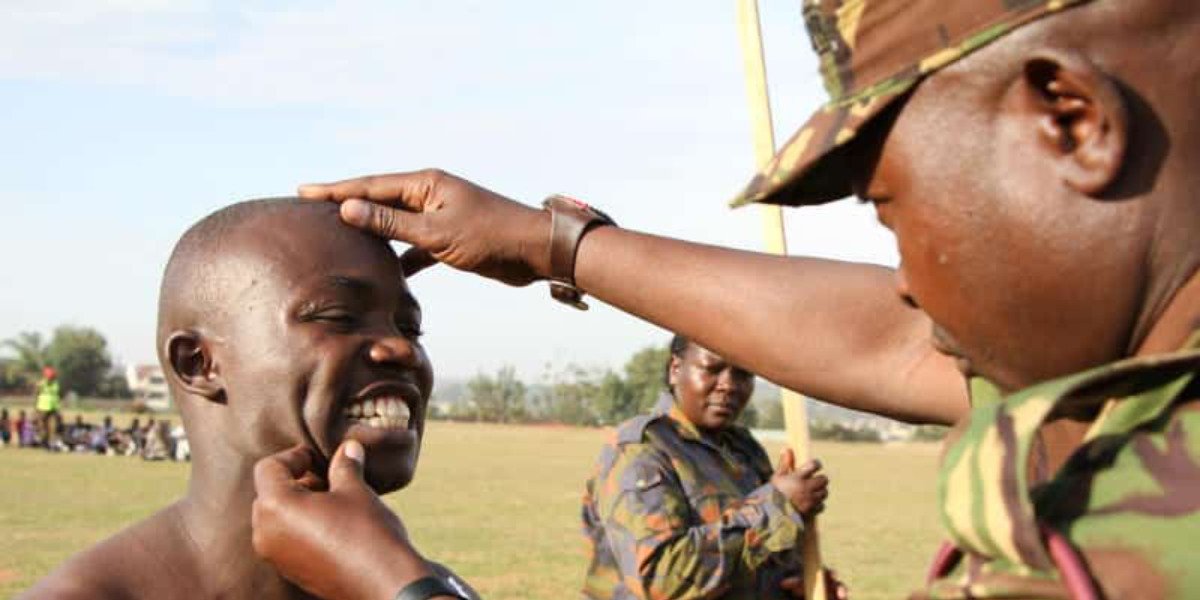
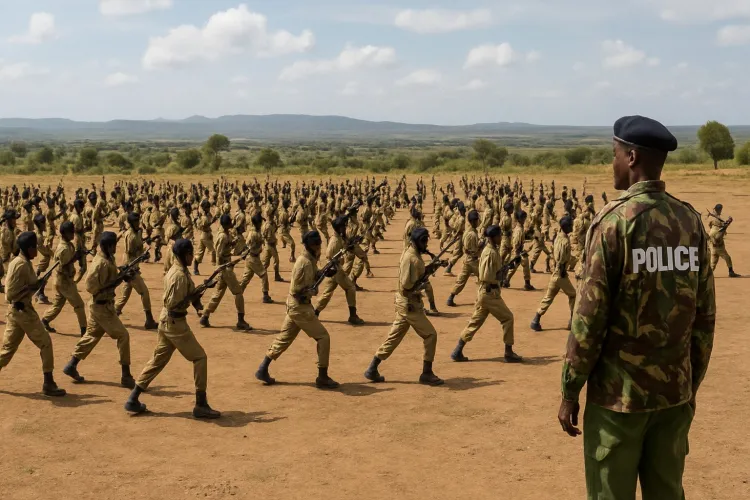
Kenya Defence Forces (KDF) and the National Police Service require male recruits to be at least 1.70 metres tall and female recruits 1.60 metres.
Candidates who do not meet these minimum heights are automatically disqualified from joining. Defence officials argue that taller recruits have advantages in physical training, including endurance, climbing, and load-bearing. Height also contributes to uniformity in formations, whether during parades or field manoeuvres, supporting discipline and coordination within units.
Equipment and Operational Readiness
Standard-issue rifles, protective gear, and uniforms are designed for average body sizes. Taller recruits are considered better able to handle this equipment safely and efficiently, reducing risks during operations.
Perceptions of Authority
Research and military tradition suggest that taller individuals are often perceived as more authoritative and confident. This perception can strengthen unit morale and reinforce the credibility of leaders in high-pressure situations.
Exceptions and Criticism
Height is not essential for all roles. Positions in intelligence, technology, or logistics rely more on technical skills and decision-making than physical stature. Critics argue that strict height rules may exclude capable candidates in areas critical to modern security operations.
Broader Recruitment Standards
Height is only one of several criteria. Candidates also undergo dental and vision tests, assessments of tattoos or body markings, and psychological evaluations to measure emotional stability and judgement. These measures aim to ensure recruits are fully prepared for the demands of service.


Comments (1)
Kenya Military Recruitment techniques is currently outdated & primitive .
During slavery Trade, Colonialism used this technique to selects/pick strong slaves suitable/strong for Sale & work in there Farms..