
“Work or Die”: Last Words of Kenyan Killed on Russian Front Line
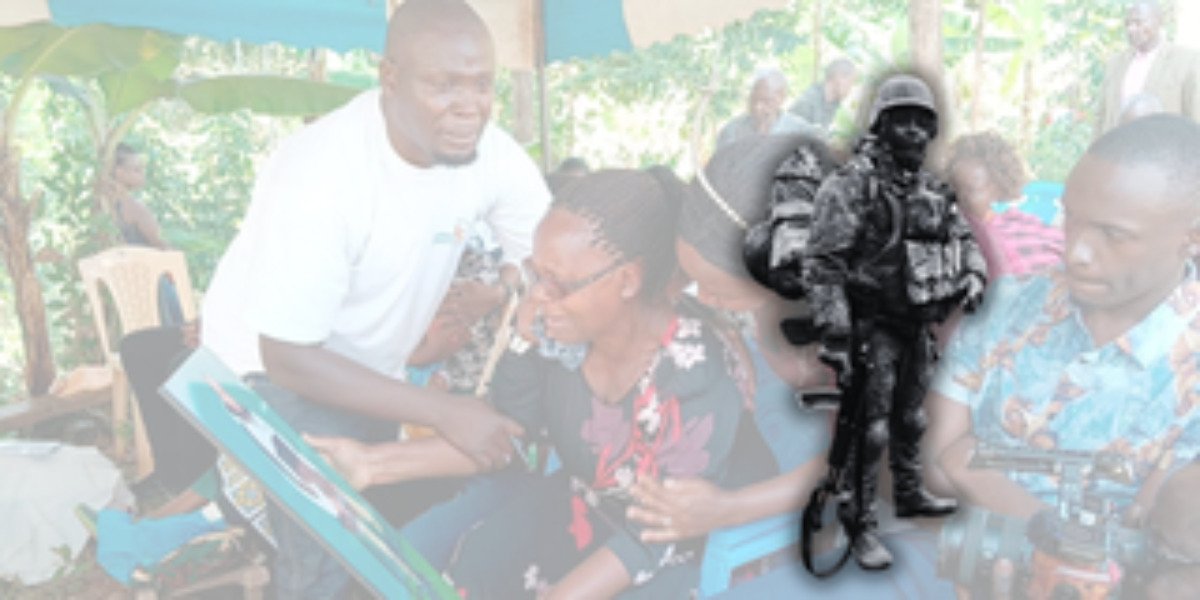
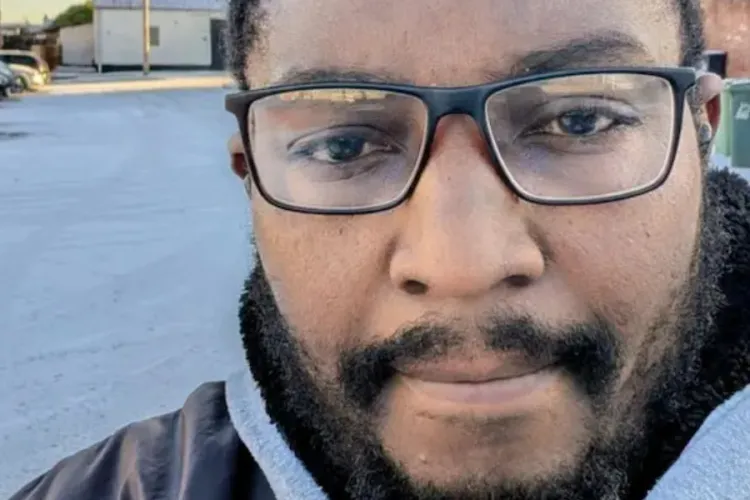
A symbolic burial was held on Friday in Mukurweini, Nyeri County, for 30-year-old Kenyan Charles Waithaka, who died in the Russia–Ukraine war after his family say he was deceived into military service.
Family members, neighbours and activists gathered at a church compound, not around a coffin, but around a photograph placed beneath a tent and surrounded by candles. Waithaka’s body was not present, and relatives said there is little prospect of it being returned to Kenya.
His mother, Bibiana Wangari, addressed mourners during the service, describing months of anxiety and failed efforts to secure her son’s release. She said the ceremony would not have taken place had those attempts succeeded.
Waithaka left Kenya in October after being recruited by a locally based agent who promised him work as a plant operator on construction projects linked to a Russian military facility. Trained through the National Youth Service, he believed he was travelling for civilian employment. According to his family, that understanding changed shortly after his arrival.
Wangari said her son later told her he was forced to sign documents written in Russian and enrolled in a short military training programme. His passport was taken, his phone line was registered in another person’s name, and he lost control of his finances. What had been presented as overseas employment, she said, turned into compulsory military service.
During their early conversations, Waithaka tried to reassure his mother, describing classes and routine activities. She later learned these were basic combat drills. Photographs he sent showed him smiling in uniform, sometimes alongside senior officers. Wangari said recruits were instructed to send such images to reassure their families.
In private calls, she said, her son was distressed and repeatedly asked for help to leave. Her concerns deepened late last year after hearing radio discussions about Kenyan youths allegedly lured abroad with false job offers and drawn into the war. When she questioned him directly, Waithaka confirmed her fears.
As the situation worsened, Wangari sought help from various sources. She said she even considered obtaining a death notification in her own name, believing it might allow her son to return home under the pretext of attending her burial. The attempt failed. According to her, her son was told he could either continue working or face death.
Three days before he died, Waithaka called to say he was being deployed to the front line. Wangari said she questioned how someone without combat experience could survive in a conflict involving advanced weapons. He told her he had no choice.
Waithaka was killed on 25 December 2025. His family first learned of his death through social media before receiving official confirmation from Russian authorities. A friend who was with him told relatives that he stepped on a landmine. Official notification later confirmed the date of death.
Efforts to repatriate his body have been unsuccessful. Wangari said Kenya’s Ministry of Foreign Affairs informed her that retrieving bodies from active war zones is not feasible and that the focus is usually on evacuating surviving personnel.
The family has also been unable to trace the agent who arranged Waithaka’s travel. They know only her first name and say all attempts to contact her have failed.
The service, led by clergy from Gathugu Catholic Parish, included prayers, tributes and a candle-lighting ceremony at a symbolic grave.
Attendees called for stronger government action, saying Kenyan citizens are being exposed to serious risk through unregulated recruitment networks. Human rights organisations supported those concerns.
Odhiambo Ojiro, a rapid response officer at Vocal Africa, said his organisation has documented numerous cases of Kenyan youths drawn into the conflict on both sides. Some, he said, were recruited by Ukrainian forces, captured and later detained in Russia. He estimated that more than 70 families are currently searching for relatives believed to be stranded abroad.
Ojiro said the organisation plans to bring affected families together and may organise peaceful demonstrations to press for investigations into recruitment practices and greater protection for job seekers.
The congregation also heard from Duncan Chege, a Kenyan who recently returned home after leaving Russia. Recruited as a driver, he said he survived by pretending to be mentally ill and was admitted to a psychiatric facility, from which he later managed to leave the country.
He warned that modern warfare, marked by drones and landmines, offers little chance of survival for untrained recruits.
“The people I travelled with are all dead,” he said.


Comments
No comments yet — be the first.