
How KRA’s New Body Cams Will Modernise Customs Inspections
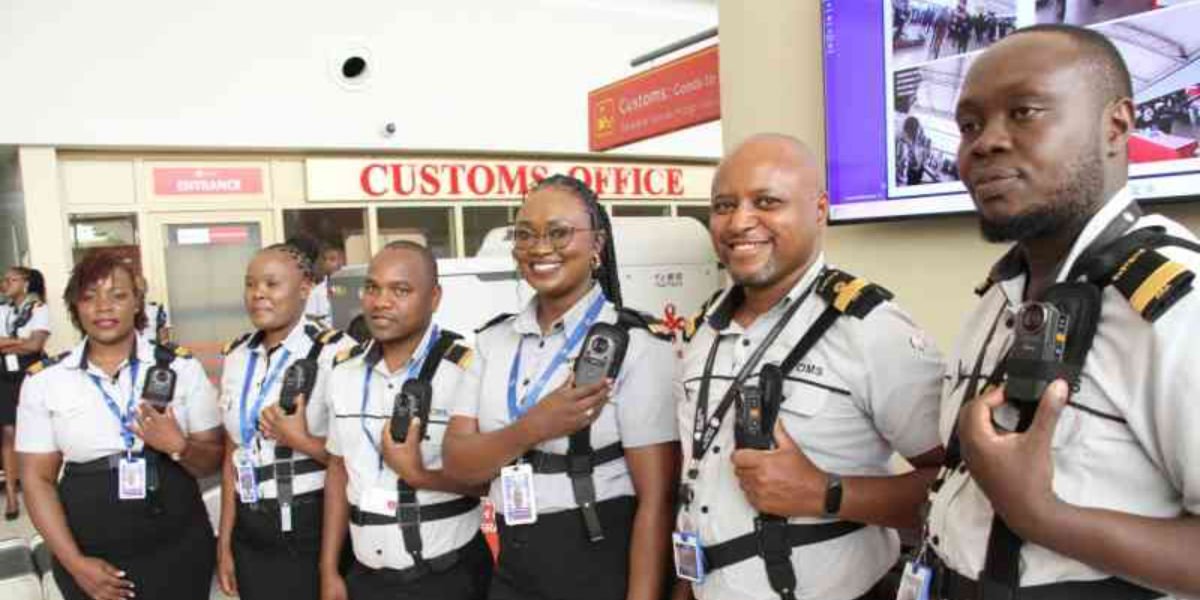
Kenya has introduced body-worn cameras for customs officers as part of a new effort to strengthen oversight at its borders.
The devices will be used during inspections and enforcement operations to improve transparency and support evidence gathering. The programme was launched at Jomo Kenyatta International Airport, where Davis Chirchir, the Cabinet Secretary for Transport, unveiled the first batch of 350 cameras.
He said the equipment would help ensure that activities at airports and border posts are properly documented. These locations, he noted, play a central role in trade and investment but are also exposed to smuggling and other illegal activities.
The cameras will record operations in real time, providing a clear record of inspections and seizures and improving transparency in officers’ interactions with the public. The devices will be used across several areas of customs work.
According to the Kenya Revenue Authority (KRA), officers will wear them during passenger clearance, cargo checks at ports and inland depots, patrols, and inspections of ships, vehicles, and aircraft. Lilian Nyawanda, Commissioner for Customs and Border Control at KRA, said enforcement teams have sometimes struggled to secure convictions against suspected smugglers because of limited evidence.
She explained that the recordings will provide reliable documentation of encounters with suspects, including situations in which individuals become confrontational, and may strengthen cases brought before the courts. The system is supported by a central command centre equipped with servers, docking stations, and live GPS tracking.
KRA said these tools will allow secure storage of recordings and provide oversight of how the footage is managed. The project has received financial support from the World Bank as part of broader efforts to modernise border management.
The rollout has also prompted discussion about privacy. Some members of the public have questioned whether recording individuals without explicit consent could conflict with the country’s Data Protection Act (Kenya). Lawyer Cliff Ombeta said the absence of specific legislation governing the use of body-worn cameras could lead to legal challenges.




Comments
No comments yet — be the first.