
KOKO Networks’ UK Parent Enters Administration Following Collapse of Kenyan Subsidiary
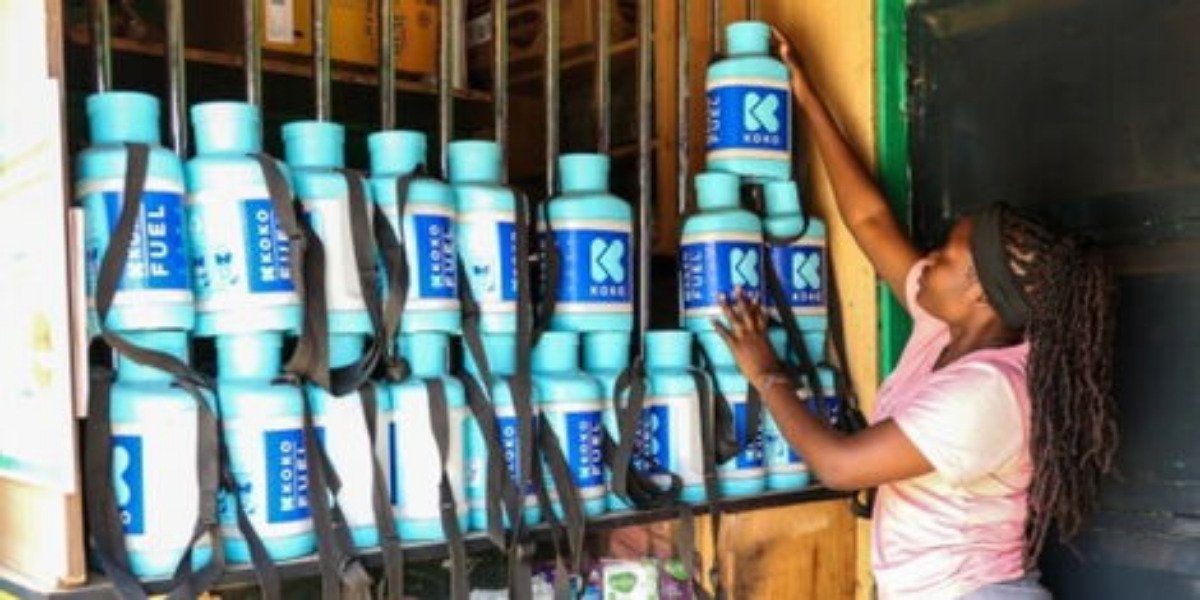
KOKO Networks (UK) Limited was placed under administration on 19 February 2026, weeks after its Kenyan subsidiary ceased operations.
The Nairobi-based arm of KOKO, which had been central to the group’s operations since 2019, was forced into administration on 1 February after failing to gain government approval to sell carbon credits in compliance markets. The decision removed the company’s pathway to higher-value markets, where credits trade at nearly ten times the price of voluntary schemes, effectively undermining its business model.
Financial filings in the UK show the scale of KOKO’s difficulties. Turnover surged to KSh7 billion in 2024, up from KSh313 million the previous year, yet losses widened to KSh2.4 billion. The company carried accumulated deficits of KSh18 billion, with liabilities far exceeding assets, indicating that rapid growth could not compensate for structural weaknesses.
The regulatory rejection in Kenya was decisive. Authorities cited concerns over the authenticity of the credits and the transparency of KOKO’s operations, despite a prior agreement under Article 6 of the Paris Agreement in mid-2024. Since the UK parent relied entirely on credits generated in Kenya, the refusal immediately halted the group’s trading operations.
Over six years, KOKO invested around KSh39 billion in Kenya, building a widely recognised clean energy brand. The collapse left substantial financial losses: the UK parent wrote off KSh6.15 billion in loans to the Kenyan subsidiary and KSh230 million in intellectual property assets. Political risk insurance worth KSh23 billion, obtained from the World Bank’s Multilateral Investment Guarantee Agency in 2025, was insufficient to cover regulatory setbacks.
Group accounts indicate revenues continued to rise in 2025, reaching KSh7.8 billion, but the company remained unprofitable without access to compliance markets.




Comments
No comments yet — be the first.