
Kenya Sees Surge in New Political Parties Ahead of 2027 Polls
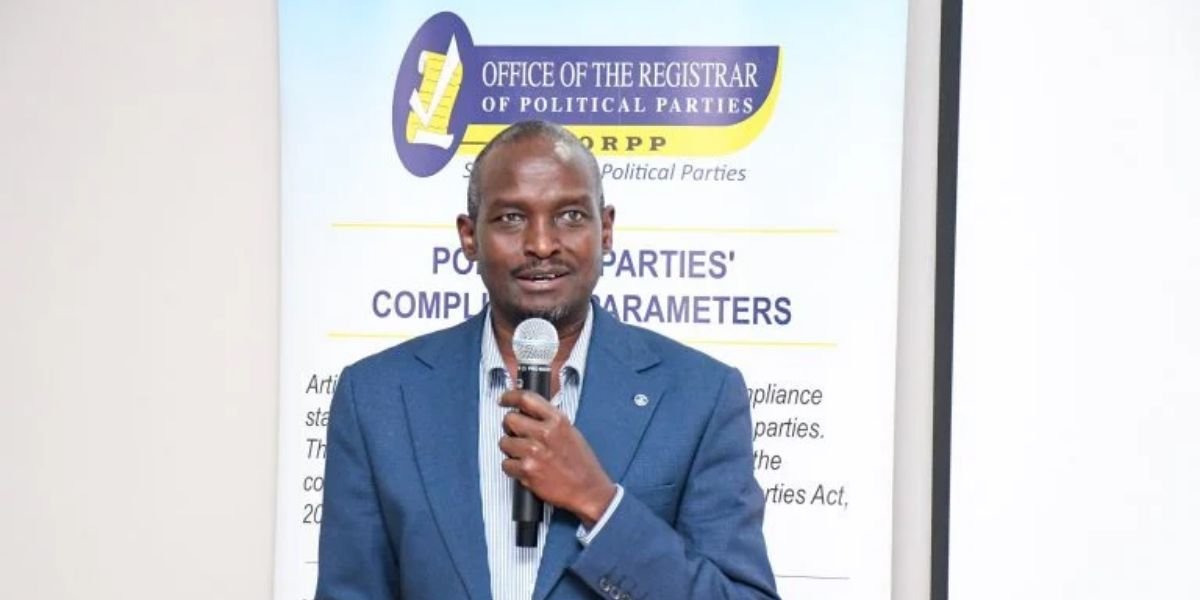
Kenya is witnessing a surge in political party registrations ahead of the 2027 General Election, with the Office of the Registrar of Political Parties (ORPP) reporting at least 34 new provisional applications in recent months.
This adds to the 92 fully registered parties already in existence. The increase in registrations reflects both opportunity and uncertainty in the political landscape. Changes to the Political Parties Act have made party management financially attractive, with billions of shillings now available in state funding.
The law allocates 70 percent of the funds based on votes won, with additional amounts linked to representation of special interest groups, elected members, and administrative expenses. This arrangement allows smaller parties to access public funding even with modest electoral results.
The growth in new parties also points to tensions within established formations. Party nominations in Kenya have often been contentious, with some aspirants sidelined in favour of loyalists. By creating new platforms, politicians can avoid disputes over coalition agreements and nomination processes.
Debates over “zoning” – agreements between coalition partners not to contest certain strongholds – have heightened these pressures. Supporters argue that zoning strengthens alliances, while critics in ODM and UDA see it as a way to protect incumbents.
The new parties vary in ambition and origin. Among the latest entrants are the National Forum Party (NFP), Clean Alliance Party of Kenya (CAP-K), New Face Party of Kenya (FACE), and Mwongozo Mpya Party (MMP), with founders from diverse regions and professional backgrounds.
Earlier registrations include the Forum for Economic Development Agenda (FEDA), People’s Renaissance Movement (PM), and Forward Kenya Party (FKP), suggesting the trend is set to continue. Registrar John Cox Lorionokou said the increase in parties is consistent with Kenya’s constitutional guarantee of multi-party democracy.
“There is no capping on the number of political parties we should have,” he noted, linking the trend to growing awareness of political rights and a desire for wider representation.



Comments
No comments yet — be the first.