
How Political Handouts Turned Into a Monster Kenya Can’t Contain
Kenya’s political rallies are increasingly being disrupted by demands for cash, with politicians facing pressure to pay crowds before they listen to speeches, allow convoys to pass or permit helicopters to take off.
The late Raila Odinga took a different approach, repeatedly rejecting demands for handouts. Odinga, who died in October 2025, was known for rebuking crowds that asked for “gonya”, a Dholuo phrase meaning “give me something”. He would respond: “Whose cow are you that you are demanding to be untied?” What was once seen by some as stinginess is now viewed as a rejection of a political culture that has become increasingly transactional.
What began as modest transport refunds or lunch allowances has developed into a system in which crowds expect payment before participating in political events. The practice has also led to disorder and violence.
ODM leader Dr Oburu Oginga recently said he lost Sh200,000 to a crowd in Siaya. At another event in Nyando, his bodyguard was assaulted. Other MPs and governors have reported similar confrontations, some involving injuries and deaths.
Security forces have at times used teargas and gunfire to disperse unruly crowds.
The political class is divided over the practice. Jubilee’s Dr Fred Matiang’i and Homa Bay Senator Moses Kajwang have warned that demands for money amount to blackmail and are becoming too costly to sustain. However, other politicians have openly defended the practice.
Lang’ata MP Phelix Jalang’o Odiwuor has argued that leaders must share their personal wealth with the people who support them, saying: “You have to be eaten.” Governor Gladys Wanga has expressed a similar view, saying leaders must “suffer some loss” because they are not elected for free.
The conflicting positions highlight a cycle in which politicians complain about the cost of handouts while continuing to reinforce expectations that they should provide them. The issue is also linked to economic hardship.
For unemployed young people and struggling households, even small payments can provide immediate relief. Analysts say politicians themselves helped establish the practice by putting a price on political mobilisation. As a result, crowds attend rallies expecting payment, while politicians provide money to avoid poorly attended events.
Commentator David Orogo has warned that once political participation becomes a source of income, reversing the practice will be difficult. He has also cautioned that the expectation could eventually extend to voting, with voters demanding payment before casting their ballots in the 2027 General Election.
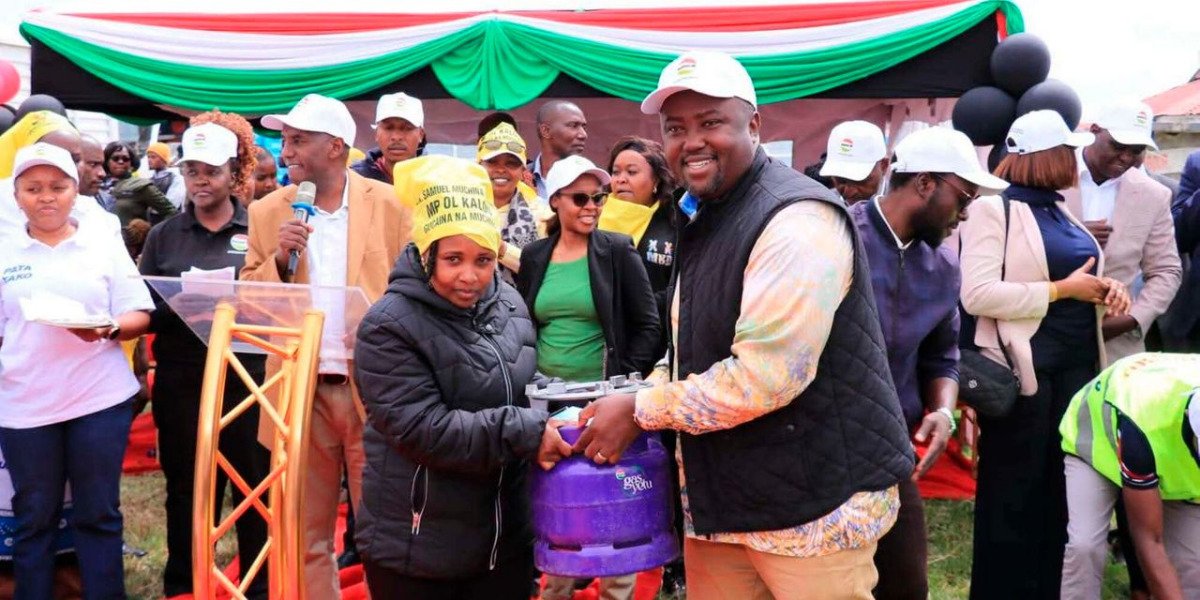
The effects are already visible at political gatherings, where debate and political ideas can be overshadowed by queues for cash, disputes over distribution and anger when payments fall below expectations. In Ol Kalou, residents received mattresses and gas cylinders without attending a rally.
In Malava, women complained that they had been underpaid after spending the day dancing. Such incidents show how quickly political gifts can become a source of dissatisfaction when recipients have come to expect larger rewards. Odinga’s opposition to handouts represented a different approach to political mobilisation, based on ideas rather than financial inducements.
Comments
No comments yet — be the first.