
Kenyan Mercenary Francis Ndarua Claims Viral Video Was Staged Amid Harsh Reality in Russia
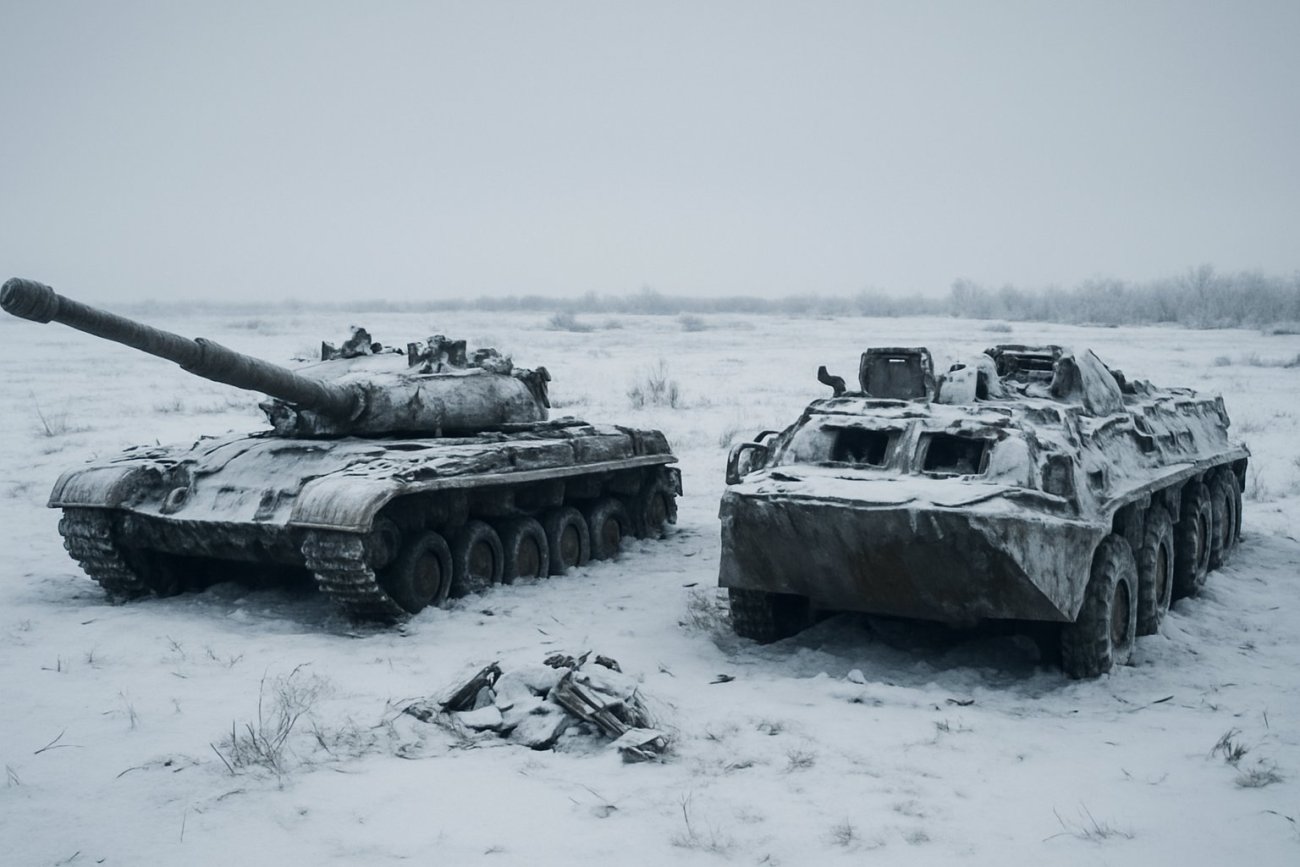
Kenyan mercenary Francis Ndarua has stirred significant attention with claims that a viral video depicting him as a 'suicide bomber' was staged by Ukrainian forces. Ndarua's revelations have not only raised eyebrows but also highlighted the grim realities faced by many mercenaries operating in the ongoing Russia-Ukraine conflict.
The video in question, which circulated widely on social media, portrayed Ndarua in a dramatic scene that suggested he was preparing for a suicide mission. However, in a recent interview, he asserted that the footage was manipulated for propaganda purposes, aimed at swaying public opinion during the conflict.
Ndarua's assertions come at a time when the geopolitical landscape is fraught with tension, and the recruitment of mercenaries from various countries, including Kenya, has become increasingly common. The ongoing war has created a demand for fighters, with many individuals seeking opportunities to earn money in what is often portrayed as a high-risk environment.
In his statements, Ndarua described the dire conditions he encountered while in Russia, painting a picture that contrasts sharply with the staged narrative presented in the video. He indicated that the reality on the ground is far worse than what is depicted, underscoring the challenges and dangers that mercenaries face in the conflict.
The implications of Ndarua's claims extend beyond individual experiences. They raise critical questions about the ethics of using mercenaries in warfare and the potential exploitation of individuals in desperate situations. For many Kenyans, the notion of their compatriots serving in foreign conflicts is a contentious topic, often intertwined with discussions about national identity, safety, and the moral complexities of war.
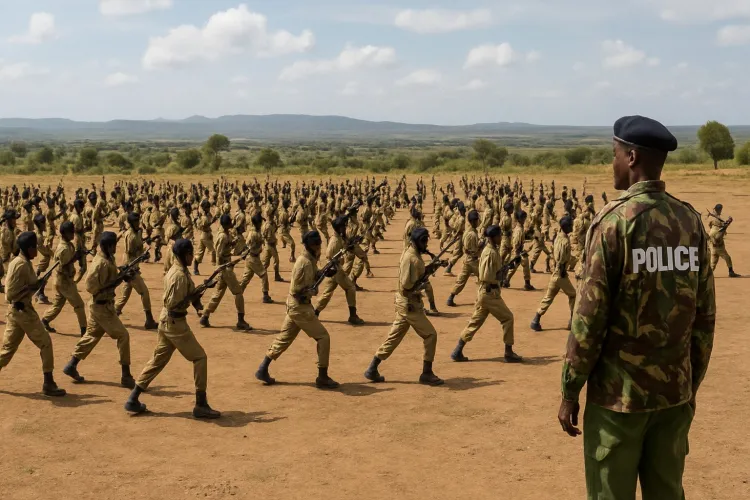
The recruitment of Kenyans as mercenaries has been met with mixed reactions at home. While some view it as an opportunity for financial gain in a country where unemployment and economic challenges persist, others express concern over the potential risks involved. The government has faced scrutiny for its lack of oversight regarding citizens engaging in foreign conflicts, raising fears about the safety and welfare of those who choose to participate.
Ndarua's situation is indicative of a larger trend where individuals from economically disadvantaged backgrounds are drawn into mercenary work as a means of survival. The harsh realities of their experiences can often be overshadowed by sensationalized media portrayals that do not reflect the true nature of their involvement in such conflicts.
The ongoing Russia-Ukraine war has had far-reaching consequences, not just for the countries directly involved but also for individuals worldwide who find themselves entangled in its ramifications. Families of mercenaries, both in Kenya and elsewhere, are left to grapple with the uncertainty and danger that their loved ones face, often with limited support from their home governments.
Ndarua's story is a reminder of the complexities surrounding modern warfare and the individuals caught in its crossfire. As the conflict evolves, the narratives surrounding mercenaries will likely continue to develop, with personal stories like Ndarua's offering a glimpse into the human experiences behind the headlines.
The ethical considerations of mercenary work remain a pressing concern, particularly as more individuals from various nations become involved in foreign conflicts. Ndarua's revelations may prompt further discussions about the responsibilities of governments to protect their citizens and the implications of engaging in warfare for financial gain.
As the situation unfolds, the international community will be watching closely, not only for the outcome of the conflict but also for the broader impact on those who choose to participate in it. The reality of warfare, as illustrated by Ndarua's claims, serves as a stark reminder of the human cost associated with geopolitical strife and the complex motivations that drive individuals to take up arms in foreign lands.





Comments
No comments yet — be the first.