
Unlocking Agricultural Potential: The Role of Gen Z in Shaping Kenya's Future
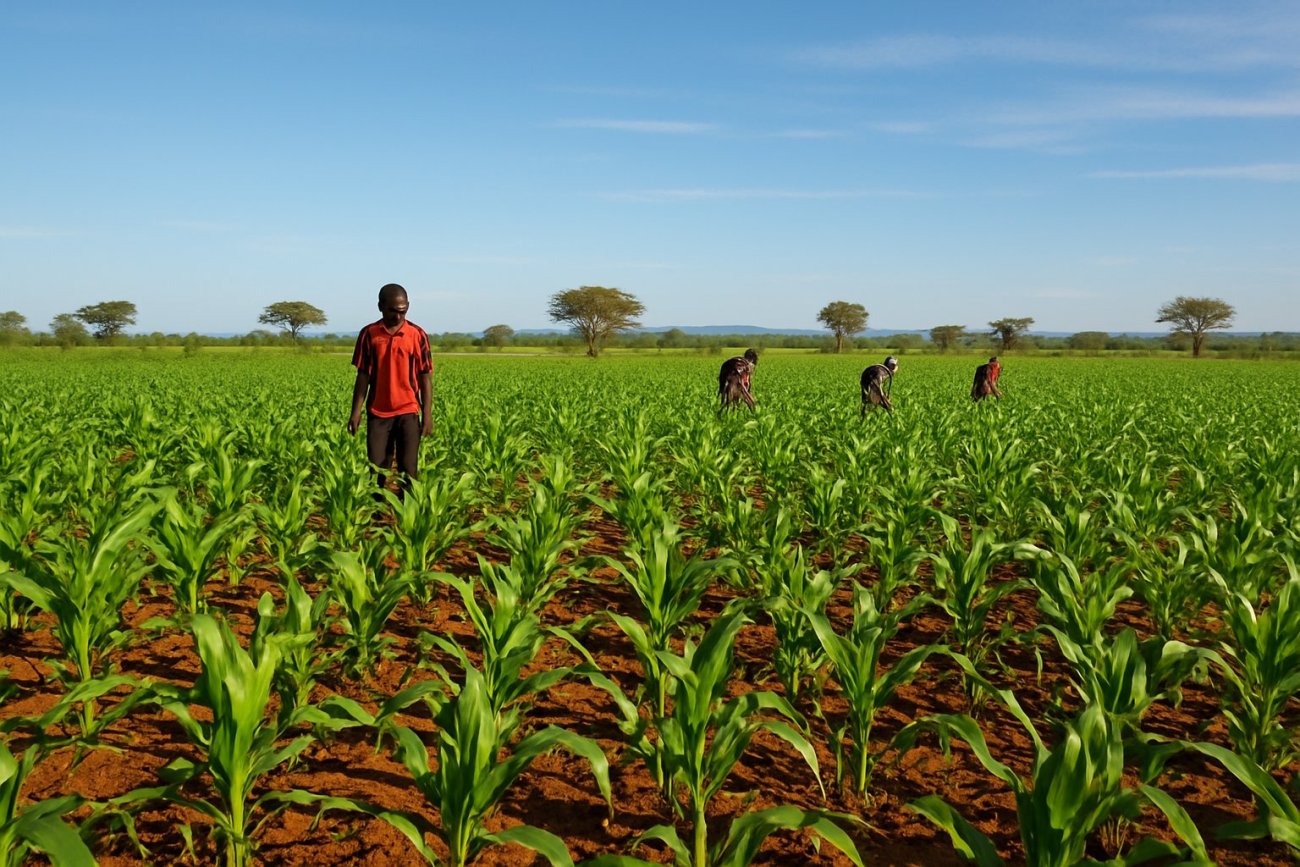
The future of agriculture in Kenya may rest in the hands of the younger generation, particularly those belonging to Generation Z. This demographic, characterized by its tech-savvy nature and innovative mindset, is increasingly seen as pivotal in transforming the agricultural landscape of the country.
As discussions around agricultural reform intensify, stakeholders are recognizing the unique perspectives and skills that Gen Z brings to the table. With an estimated population of over 13 million individuals aged between 10 and 25, the potential for this demographic to influence agricultural practices is significant. Their engagement could lead to increased productivity, sustainability, and modernization of the sector.
Kenya's agriculture sector is a cornerstone of the economy, contributing about 33% of the Gross Domestic Product (GDP) and employing over 40% of the population. However, the sector faces numerous challenges, including climate change, outdated farming techniques, and limited access to markets. These issues have prompted a need for innovative solutions that resonate with the values and aspirations of younger generations.
Recent reports indicate that Gen Z is more inclined towards sustainable practices and technology-driven solutions. This generation is not only eager to adopt new technologies but is also aware of the importance of environmental conservation. As the government and various organizations seek to modernize agriculture, tapping into Gen Z's expertise and enthusiasm could yield fruitful results.
One significant initiative reflecting this engagement is the consultative forum being organized by the Deputy President. This forum aims to bring together Gen Z representatives to discuss their vision for the agriculture sector and explore ways to incorporate their ideas into national policies. Such platforms are essential for fostering dialogue between the youth and policymakers, ensuring that the concerns and aspirations of young people are heard and addressed.
Moreover, the rise of agritech startups led by young entrepreneurs has begun to reshape the agricultural landscape. These startups are utilizing technology to address various agricultural challenges, from crop management to supply chain efficiencies. By leveraging mobile applications, data analytics, and innovative farming techniques, these young innovators are not only improving productivity but also attracting investments that can further enhance the sector.
Social media plays a crucial role in this transformation, allowing Gen Z to share knowledge and experiences related to agriculture. Platforms like Instagram and TikTok have become avenues for young farmers to showcase their work, share tips, and connect with like-minded individuals. This digital engagement fosters a sense of community and encourages collaboration, which is vital for addressing the multifaceted challenges facing agriculture today.
Furthermore, educational institutions are beginning to recognize the importance of equipping young people with the skills needed for modern agriculture. Programs focusing on agribusiness, sustainable practices, and technological innovations are becoming more prevalent in universities and colleges. By providing relevant training, these institutions are preparing the next generation of agricultural leaders who will drive the sector towards a more sustainable and productive future.
However, for Gen Z to fully realize their potential in the agricultural sector, several barriers must be addressed. Access to financing remains a significant hurdle, with many young farmers struggling to secure loans and investments to start or expand their agricultural ventures. Additionally, there is a need for improved infrastructure and access to markets to enable young entrepreneurs to thrive.
The government, along with private sector stakeholders, is urged to create an enabling environment that supports youth engagement in agriculture. This includes developing policies that facilitate access to credit, providing training programs, and investing in infrastructure that connects young farmers to markets. By prioritizing these areas, the agricultural sector can harness the energy and creativity of Gen Z, ultimately leading to a more resilient and sustainable food system.
The implications of engaging Gen Z in agriculture extend beyond the borders of Kenya. As the nation seeks to position itself as a key player in the regional and global agricultural markets, a robust, innovative, and youthful agricultural workforce will be essential. This not only enhances food security but also contributes to economic growth and job creation, vital for the country’s development.
In conclusion, the involvement of Generation Z in Kenya's agriculture sector holds immense promise. Their innovative approaches, combined with a commitment to sustainability, can drive significant change. As the country navigates the complexities of modern agriculture, the contributions of young people will be instrumental in shaping a prosperous future for the sector.






Comments
No comments yet — be the first.