
Kenyan Morticians Under Fire Over TikTok Videos Filmed in Morgues
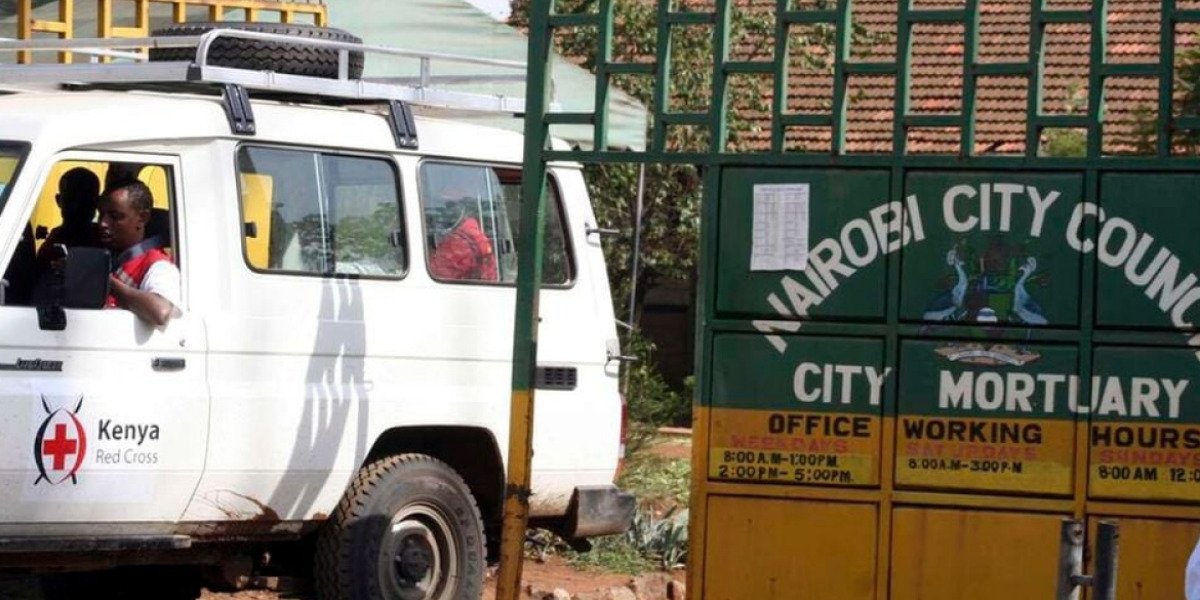
Kenyan morticians are facing questions over TikTok videos showing them posing beside coffins, moving stretchers through morgue corridors and lip-syncing to popular audio clips while at work.
Several Kenyan morticians have built sizeable audiences on TikTok, with more than a dozen accounts appearing in searches for “mortician”. Some creators, including Filinda Kamau, present their content as advocacy aimed at encouraging more women to enter a profession traditionally dominated by men.
Others, such as Ann Mwangangi, who has more than 480,000 followers, say they want to challenge misconceptions about morticians by showing the realities of their work. Some of the videos do not show deceased people directly. Instead, they focus on clothing, equipment, morgue facilities and prepared bodies.
The content has nevertheless raised questions about professional standards, consent and respect for the deceased and their families. Ezra Olack, chairman of the Funeral Services Association of Kenya and a long-serving employee of Lee Funeral Home, has criticised the trend as unprofessional and insensitive.
He argues that morgue content can expose viewers to unnecessary trauma and may disregard cultural and religious sensitivities surrounding death. Olack contrasts such videos with medical content shared by doctors, which can sometimes document patients' recovery and offer hope.
“Death is permanent. Death cannot give you hope,” he said, arguing that content centred on death does not serve the same purpose.
The concerns are also linked to the possibility of families identifying their relatives in videos. One viewer recently claimed to have recognised her father from a tie shown in a video, highlighting the potential emotional consequences of displaying details associated with deceased people.
The morticians who produce the content defend it as a way of demystifying death and giving the public a better understanding of their work. They show areas of the morgue, including cooling chambers and preparation rooms, and argue that greater openness can help people confront a subject that is often avoided.
Olack disagrees with this approach. He argues that repeatedly exposing people to images and material associated with death could deepen trauma rather than help society understand mortality. In his view, grief affects everyone, making sensitivity particularly important when dealing with the deceased.
The Morticians and Allied Professionals Association of Kenya is expected to issue its position following an upcoming conference. Its statement could help clarify professional expectations for morticians who create social media content while at work.

Comments
No comments yet — be the first.