
DHS Alters Green Card Eligibility for Children of Foreign Government Employees

The United States Department of Homeland Security (DHS) has implemented changes to the green card eligibility criteria for children born to foreign government employees in the U.S., a decision that could have significant implications for Kenyan diplomats and officials working in the country. This policy adjustment, reported by The American Bazaar, reflects a shift in how the U.S. recognizes diplomatic immunity and its effects on immigration status.
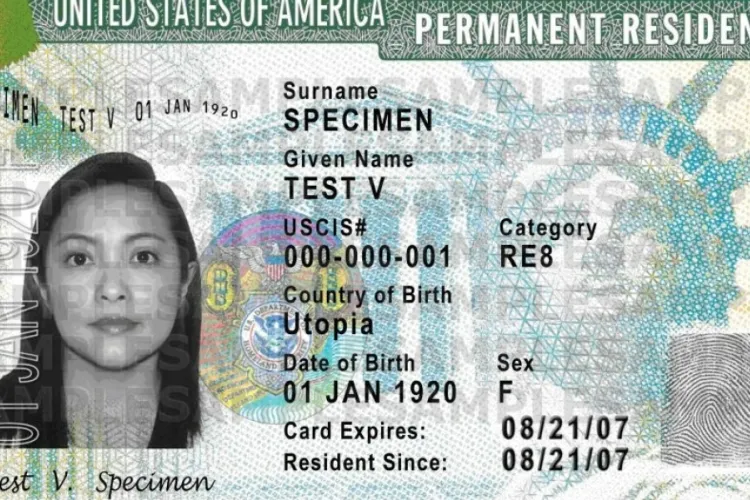
The revised rule, effective immediately, stipulates that children born in the U.S. to foreign government officials and their spouses, who are in the country on A-1 or A-2 visas, will not automatically qualify for permanent residency. Previously, children born under these circumstances could potentially claim U.S. citizenship or residency based on their birth in the U.S.
According to DHS, this change aligns the green card rules with the existing legal framework that governs diplomatic immunity and its implications on the immigration status of individuals associated with foreign governments. The department emphasized that the new rule is in accordance with international law and U.S. policy, ensuring that diplomatic privileges are not misused to gain immigration benefits.
This policy shift is particularly relevant for Kenyan diplomats stationed in the U.S. and their families, who might have relied on the prior understanding of the law to secure residency for their U.S.-born children. The Kenyan government has yet to comment on the impact of this change, but it is anticipated that the country's representatives in Washington, D.C., including Kenya's ambassador to the United States, will seek clarity on how this will affect their nationals.
Kenyan officials and families residing in the U.S. on diplomatic missions are encouraged to consult with immigration experts and legal advisors to understand the full implications of the DHS rule change. The Department of Homeland Security has not released specific guidance on transitional measures for those currently affected by this policy change, leaving many to navigate their options under the new regulations.
This development underscores the ongoing complexities of international diplomatic relations and immigration law, highlighting the need for foreign government officials to remain informed about changes in U.S. immigration policy that may impact their families' residency status. As the situation evolves, affected individuals and governments will likely engage with the U.S. State Department and DHS to address any concerns arising from the new rule.



Comments
No comments yet — be the first.