
Kenya Cracks Down on Foreign Traders and Retailers
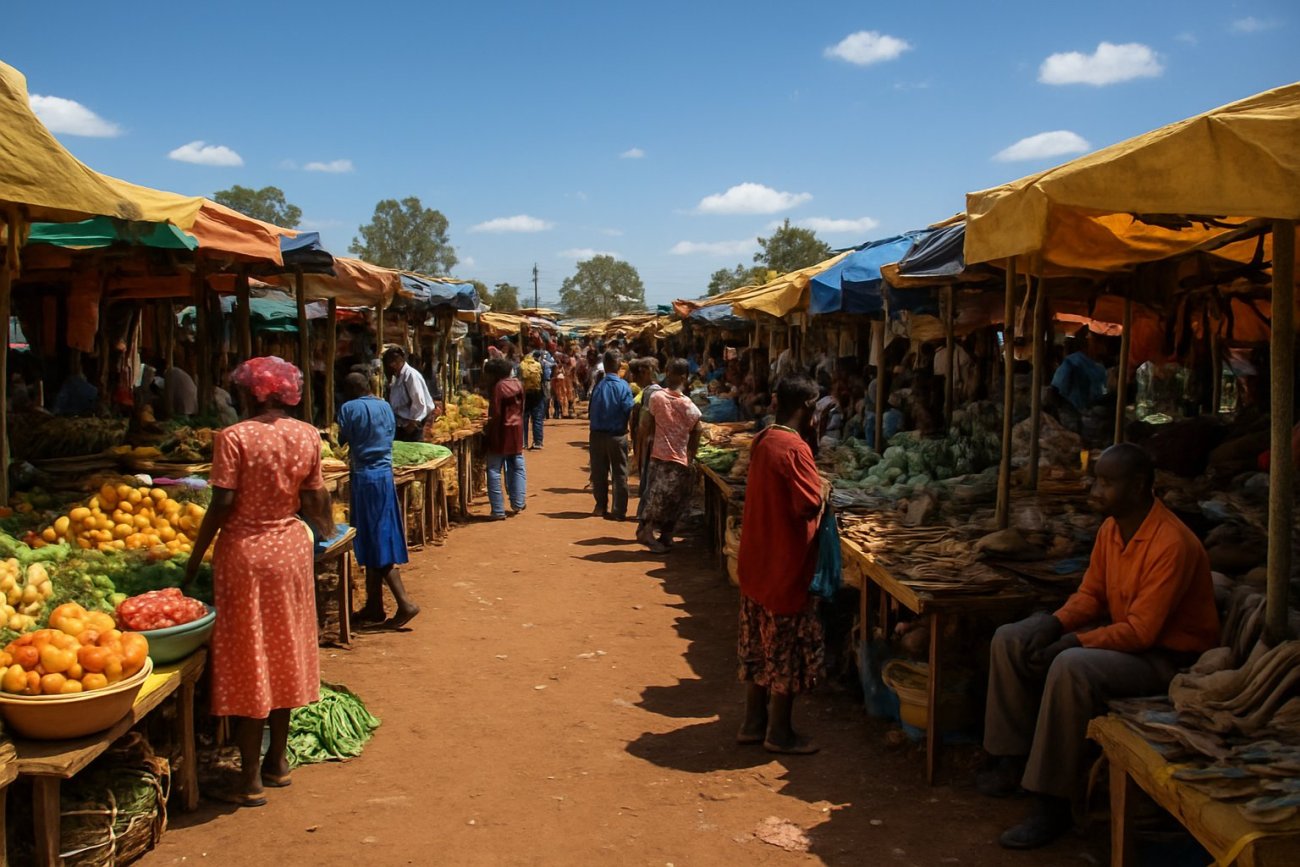
In a significant move impacting foreign traders in Kenya, President William Ruto has announced a policy to reserve small business operations exclusively for Kenyan citizens. This development, unfolding in the country's bustling urban centers, represents a shift towards protectionism aimed at safeguarding local entrepreneurs. The crackdown on foreign traders, particularly those operating in small-scale retail, has sparked a broader debate about the balance between national economic interests and global commerce.
President Ruto's administration has been vocal about prioritizing Kenyan citizens in the business sector, arguing that the presence of foreign traders in small retail has exacerbated challenges for local business owners. The government asserts that this policy will foster economic opportunities for Kenyans, allowing them to thrive in a competitive market landscape. However, this move has raised concerns within international business communities and among foreign nationals who have invested in Kenya's retail sector.
This policy aligns with broader protectionist trends observed in various parts of the world, where governments seek to protect domestic industries from perceived threats posed by foreign competitors. The Kenyan government has emphasized that this measure is part of a broader strategy to bolster the country's economic resilience and ensure that local businesses can compete effectively.
While the policy aims to empower Kenyan entrepreneurs, it has drawn criticism from some quarters for potentially disrupting existing businesses and investment flows. Foreign traders, who have contributed to Kenya's vibrant retail scene, face uncertainty as they navigate the implications of these new regulations. The administration's focus on small businesses suggests a nuanced approach, recognizing the sector's vital role in the national economy.
As the dust settles on this policy change, stakeholders are closely monitoring its impact on the ground. The extent to which this crackdown will affect foreign investment and the broader economic landscape remains a subject of intense discussion. Observers note that the success of this initiative will require careful implementation and robust support mechanisms for local entrepreneurs to capitalize on newly available opportunities.






Comments
No comments yet — be the first.