
Kenya to end raw mineral exports
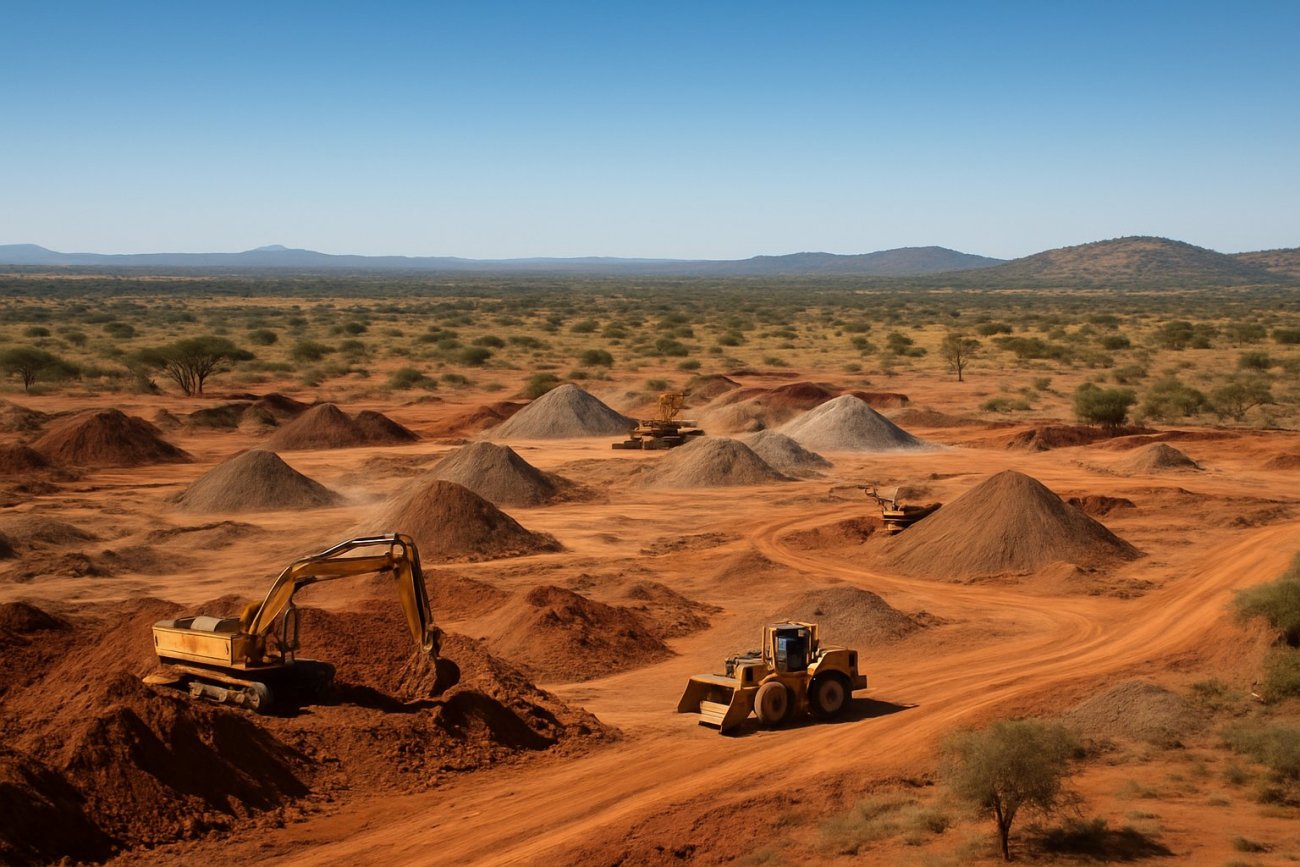
In a decisive move to bolster local industries and enhance economic value, President William Ruto announced that Kenya will cease the exportation of raw minerals. This strategic policy aims to shift from the traditional practice of exporting raw materials to developing an internal processing industry, thereby increasing the country's economic resilience. The new directive was made public as President Ruto emphasized the need to harness Kenya's mineral wealth for national development.
Historically, Kenya has been rich in minerals such as gold, titanium, and rare earth elements, yet the nation has struggled to fully capitalize on its resources due to exporting these minerals in unprocessed form. The change in policy is expected to stimulate the domestic economy by creating jobs, attracting foreign investment in processing plants, and boosting the export of finished products. This initiative aligns with the broader goal of industrialization and value addition across Africa, where several countries are taking similar steps to ensure greater returns from their natural resources.
President Ruto's administration is focused on transforming Kenya's economic landscape by reducing dependency on raw mineral exports and encouraging the development of local industries. This policy shift presents an opportunity for the country to refine its raw materials, thereby increasing their market value and providing a more sustainable and lucrative economic model. The decision is part of a wider strategy to leverage Kenya's resource endowment, which has often been under-exploited in terms of value addition and industrial development.
Observers note that this move could also influence other African nations to reconsider their own mineral export policies. By retaining and processing minerals within their borders, countries across the continent can enhance their economic sovereignty and reduce the influence of external market fluctuations. However, it will require significant investments in infrastructure, technology, and skilled labor to ensure the success of such an ambitious undertaking.
The Kenyan government is anticipated to roll out specific measures to facilitate this transition, including potential incentives for investors and partnerships with international technology firms to develop processing capabilities. Analysts suggest that the success of this policy will largely depend on how effectively the government engages with stakeholders and manages the necessary industrial transformations.
As Kenya embarks on this new path, the international community will be watching closely to assess the impacts of this policy on the country's economic growth and its role as a model for resource management in developing nations. The shift signals a significant step in Kenya's journey towards economic self-sufficiency and industrial prowess.






Comments
No comments yet — be the first.